
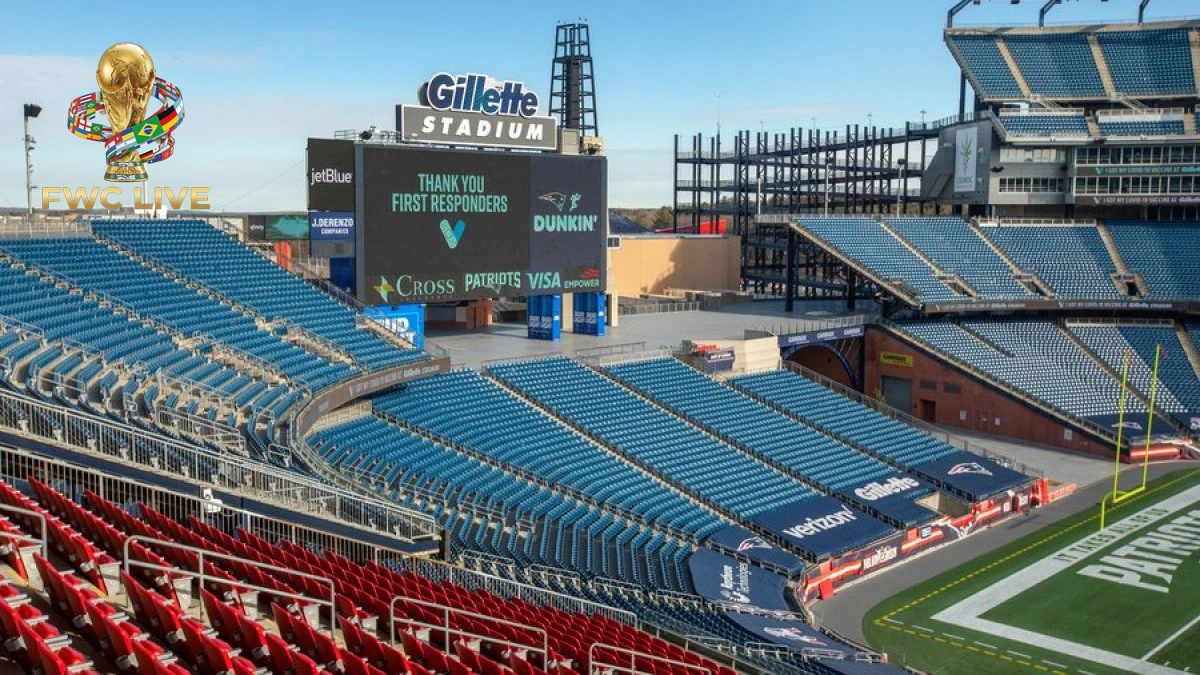
The Boston World Cup 2026 tailgating story has turned sharply after local organizers confirmed the practice will be allowed after all. That is a meaningful shift because the earlier no-tailgating message had become one of the loudest fan-experience complaints around the host city. Now the local committee says there is no venue or public safety restriction blocking the tradition at Gillette Stadium, which will be called Boston Stadium during the tournament. For FIFA World Cup 2026 supporters, that is a practical win rather than a cosmetic one.
Why the Boston decision changed
The issue began when local guidance suggested tailgating would not be permitted. That immediately stood out because tailgating is a normal part of pregame culture at major U.S. venues, especially in football-heavy stadium environments. Fans read the original message as a sign that the World Cup would strip away one of the most familiar local rituals.
Boston's revised position came after FIFA clarified that it does not operate with a formal tournament-wide ban on tailgating. Instead, the governing body said restrictions depend on local regulations and public safety decisions at individual venues. Once that clarification landed, Boston moved quickly to change course.
What the updated Boston policy now says
The local organizing committee has now said tailgating will be permitted at Boston Stadium like it is for other events at the venue. That is a direct reversal from the earlier communication and it matters because it restores a major piece of matchday identity for local supporters.
The explanation also tells us something about the planning process. Boston said the earlier forward-facing message reflected what both the host committee and the venue believed was a tournament-wide FIFA rule. Once FIFA made its position clearer, the local side reopened the question and adjusted the policy.
Why this matters for the overall fan experience
Tailgating is not a side issue in an American sports market. It shapes arrival times, food planning, group meetups and the social rhythm of a stadium day. Removing it would have made Boston feel more controlled and less familiar for local fans who already know the Foxborough routine.
That is why the decision carries weight beyond parking lots. The fan journey around Boston was already under scrutiny because people are comparing every host city on cost, access and atmosphere. A policy that preserves local pregame culture helps the city protect part of its identity.
How the change affects Boston's host-city picture
The timing is useful for organizers because Boston is still shaping public expectations around transport, stadium access and crowd operations. The separate Boston World Cup 2026 security funding discussion has already shown how closely supporters are reading every practical detail.
A reversal like this can rebuild some trust if the explanation is clear. Fans are more likely to accept a changed plan when the result improves the experience rather than limits it. In that sense, Boston found a rare late-stage update that actually makes the tournament feel more welcoming.
What supporters should still watch for next
Tailgating being allowed does not answer every matchday question. Parking procedures, timing windows, alcohol rules, lot opening hours and stadium perimeter checks will still matter, especially on a global event schedule that differs from a standard NFL day.
Still, the direction is now much better aligned with local expectations. Boston no longer has to defend a fan-unfriendly rule that never looked natural for the venue. Instead, it can focus on delivering a familiar pregame environment inside the bigger demands of the World Cup.
Frequently Asked Questions
Will tailgating be allowed at Boston World Cup 2026 matches?
Yes. Local organizers have now confirmed that tailgating will be allowed at Boston Stadium.
Why did Boston change its tailgating policy?
The policy changed after FIFA clarified that it does not have a formal tournament-wide ban on tailgating.
Where will Boston host its World Cup 2026 matches?
The matches will be played at Gillette Stadium, which will be renamed Boston Stadium for the tournament.
Does the updated policy solve every Boston matchday issue?
No. Fans still need final details on parking, lot access, security checks and event-day operations.
Boston has made a sensible correction at the right time. Allowing tailgating keeps one of the venue's strongest matchday habits in place and removes an avoidable point of friction. In a tournament where fan trust matters, that is a useful shift.
Stay tuned to FWCLive.com for the latest FIFA World Cup 2026 updates.