
Atlanta
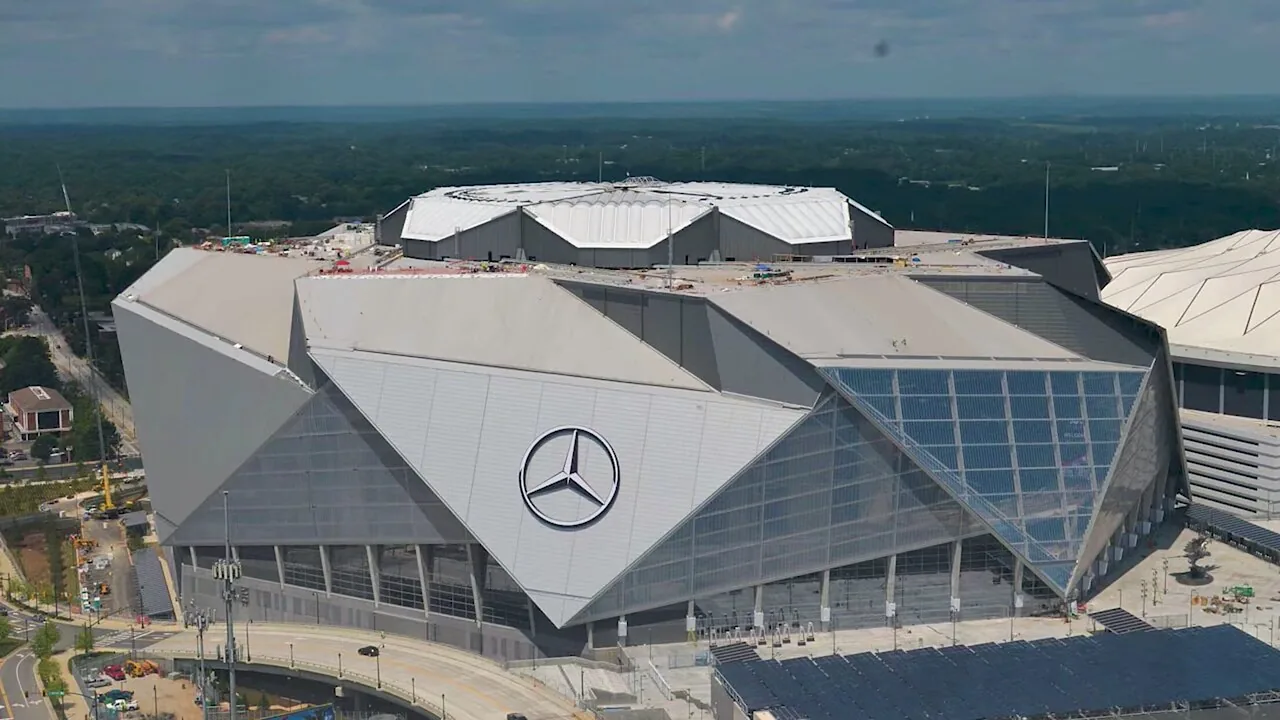
Atlanta Stadium
Official FIFA venue name for Mercedes-Benz Stadium, set to host 8 matches including a semi-final.
View Stadium Details
Explore all 16 official venues across Canada, Mexico, and the United States with key facts, capacities, and fan planning insight.
FIFA World Cup 2026 Stadiums will shape every matchday across the biggest tournament in World Cup history, because the 16 official venues define how supporters move through the calendar. The stadium map stretches across Canada, Mexico, and the United States, so location matters almost as much as the fixtures themselves. In fact, a great tournament plan often starts with venue clusters rather than favorite teams. That is especially true when fans want multiple matches in one trip.
The calendar already gives the venue story a clear structure. Mexico City Stadium hosts the opener on 11 June 2026, while New York New Jersey Stadium hosts the final on 19 July 2026. Between those two landmarks, every host ground plays a different role in shaping group-stage flow and knockout travel. So the venue list is not just a background detail for supporters.
Dallas Stadium also stands out because it will host nine matches, the highest total in the tournament. That gives it unusual value for fans who want schedule flexibility and a stronger chance of seeing multiple rounds in one city. You can start from FIFA World Cup 2026 and then build your route around venue density, travel time, and knockout value. That approach is usually smarter than chasing the biggest name alone.
Atlanta
Official FIFA venue name for Mercedes-Benz Stadium, set to host 8 matches including a semi-final.
View Stadium Details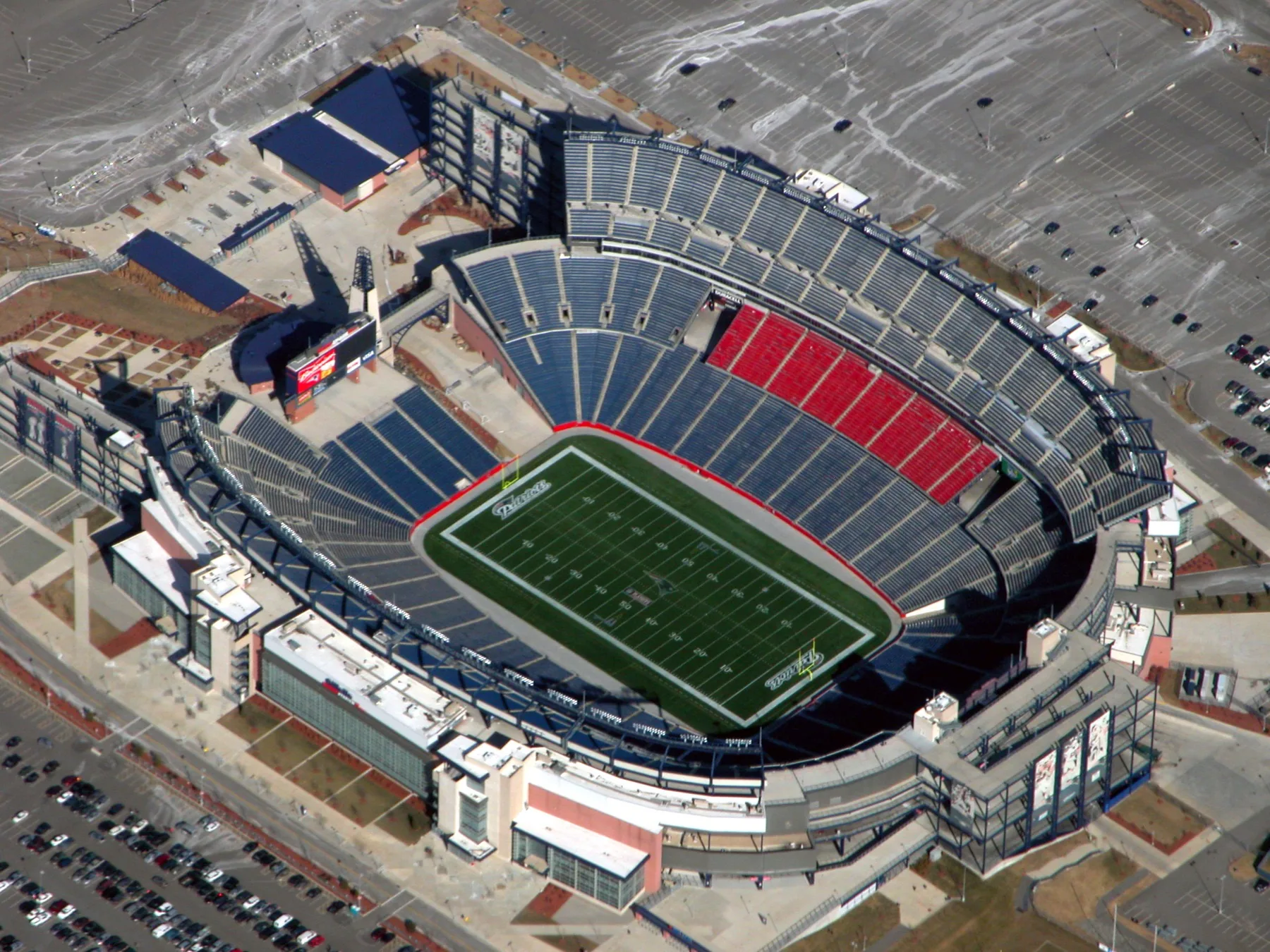
Boston
Official FIFA venue name for Gillette Stadium, set to host 7 matches including a quarter-final.
View Stadium Details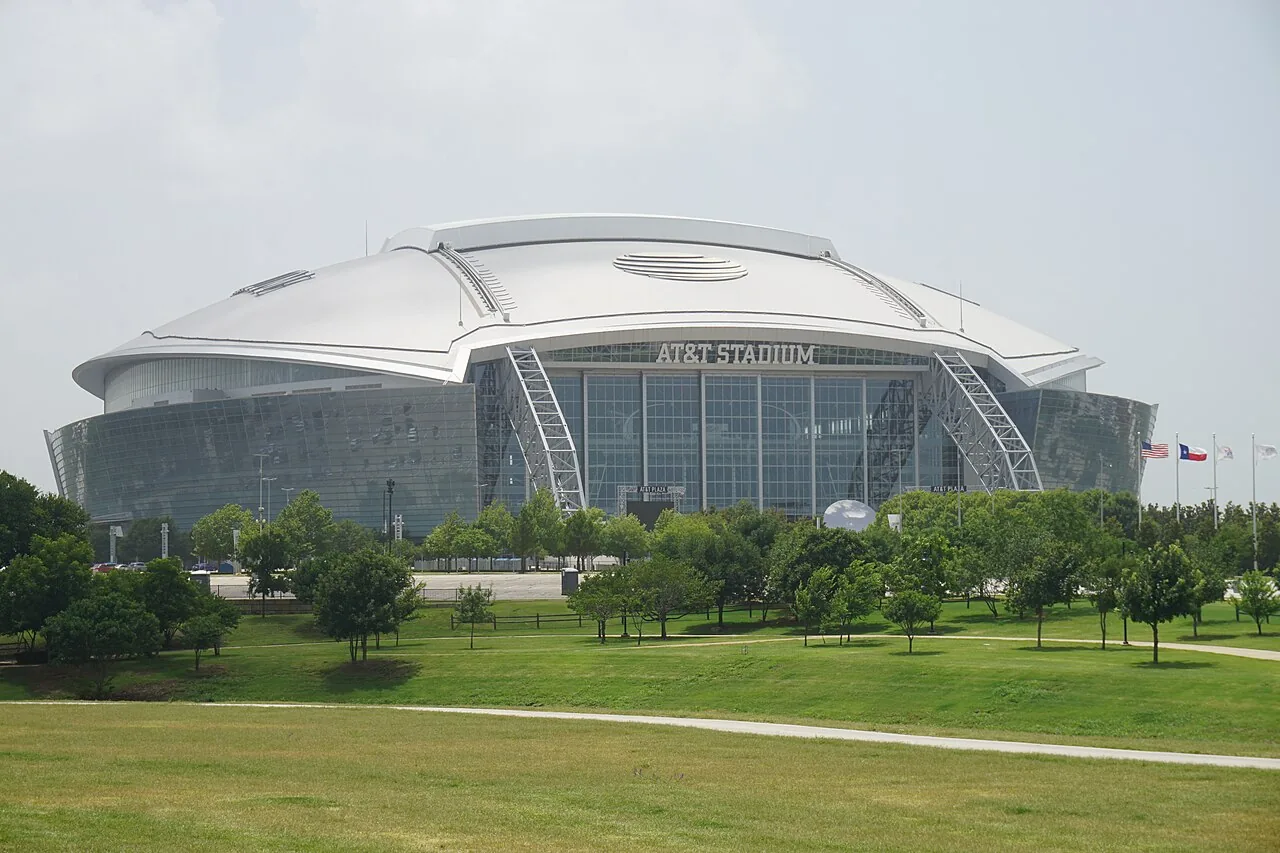
Dallas
Official FIFA venue name for AT&T Stadium, set to host 9 matches including a semi-final.
View Stadium Details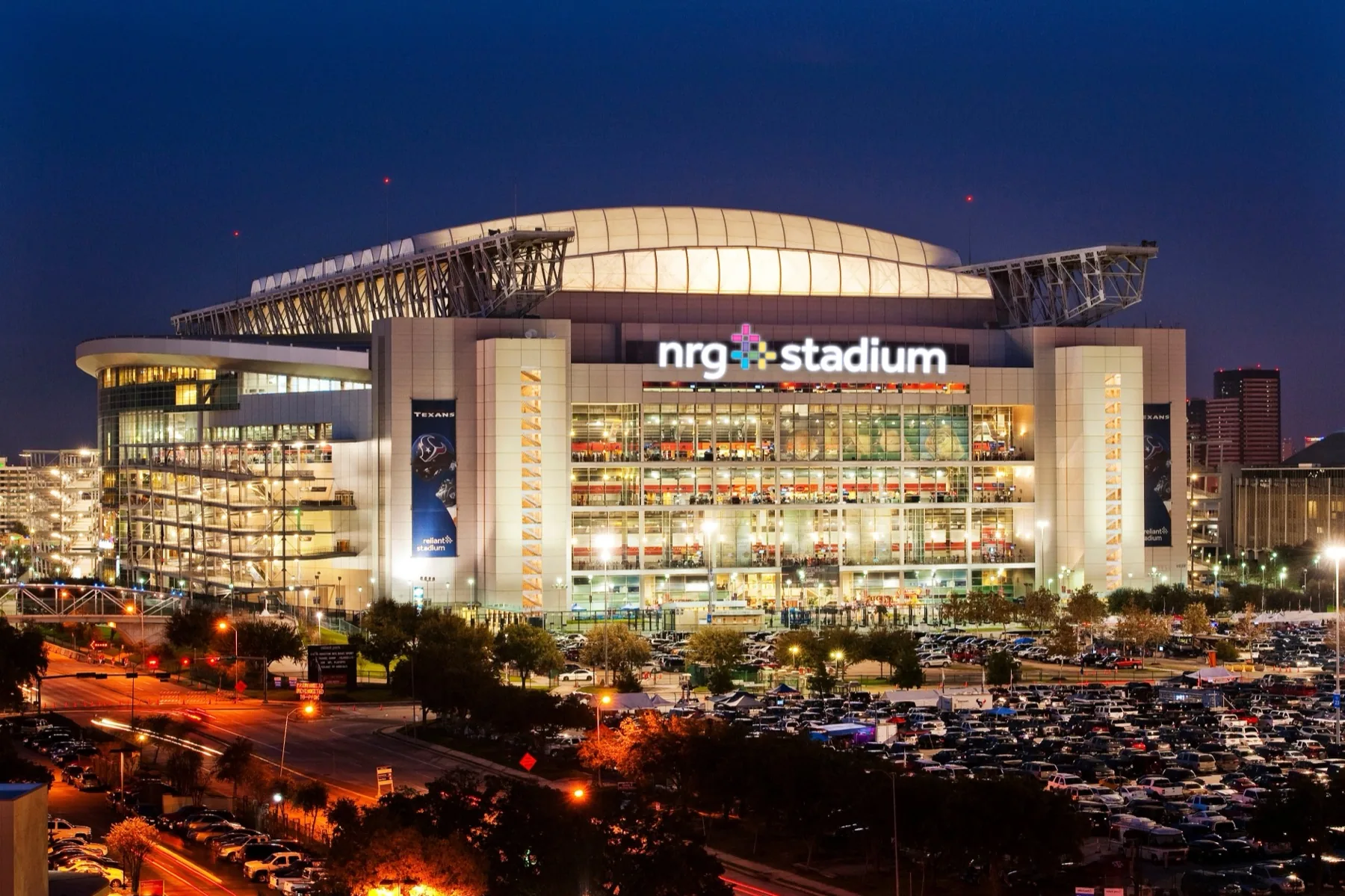
Houston
Official FIFA venue name for NRG Stadium, set to host 7 matches including a round of 16 match.
View Stadium Details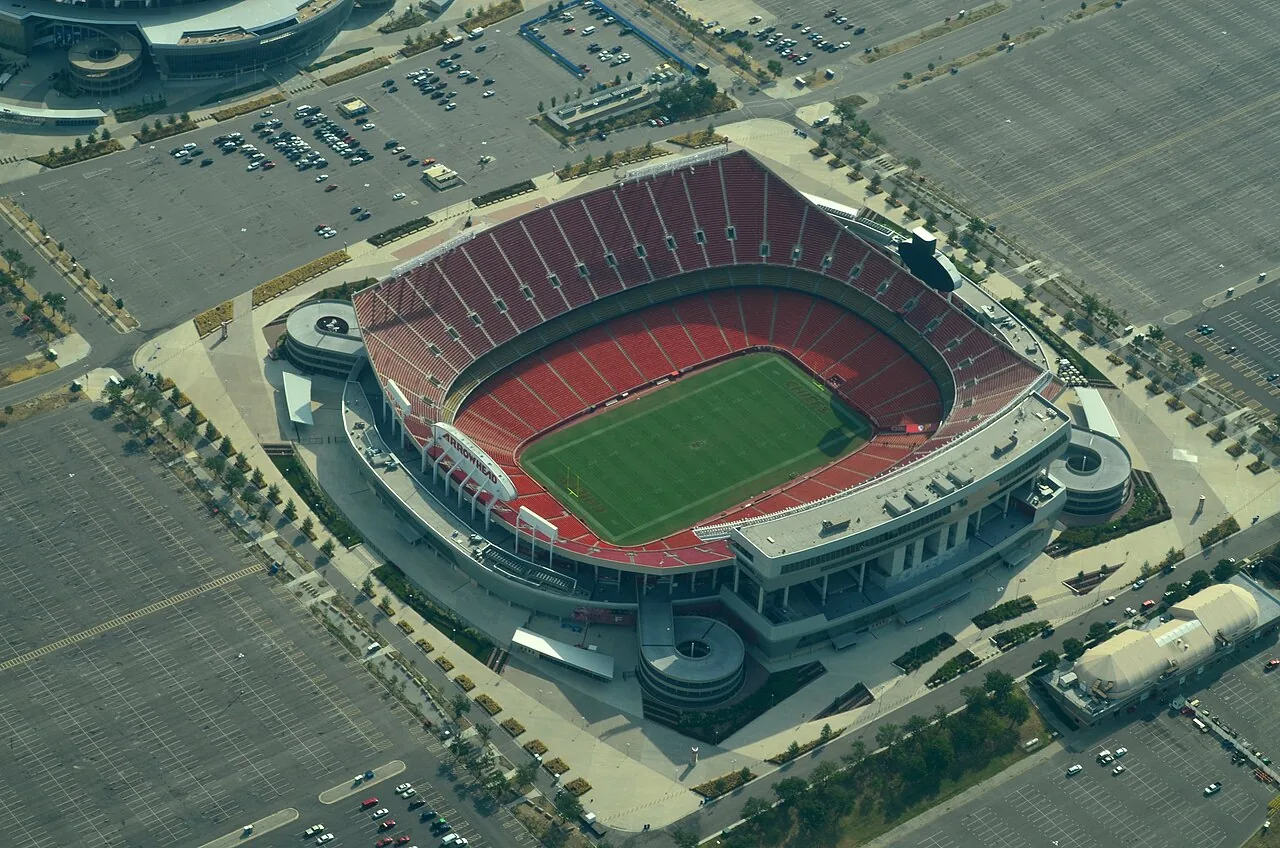
Kansas City
Official FIFA venue name for Arrowhead Stadium, set to host 6 matches including a quarter-final.
View Stadium Details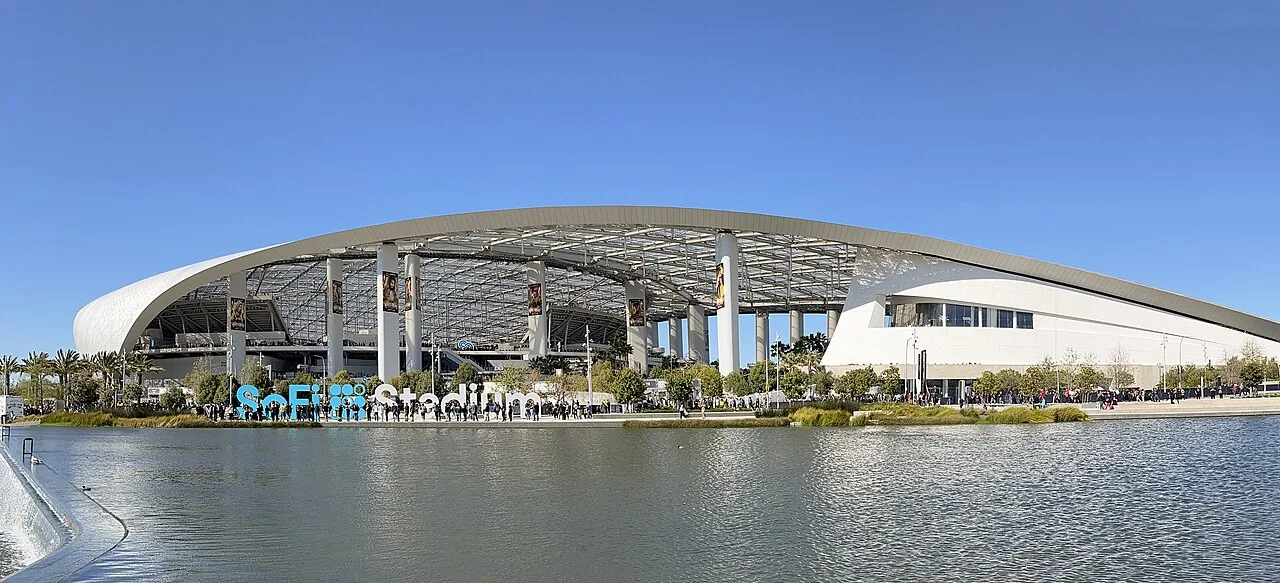
Los Angeles
Official FIFA venue name for SoFi Stadium, set to host 8 matches including a quarter-final.
View Stadium Details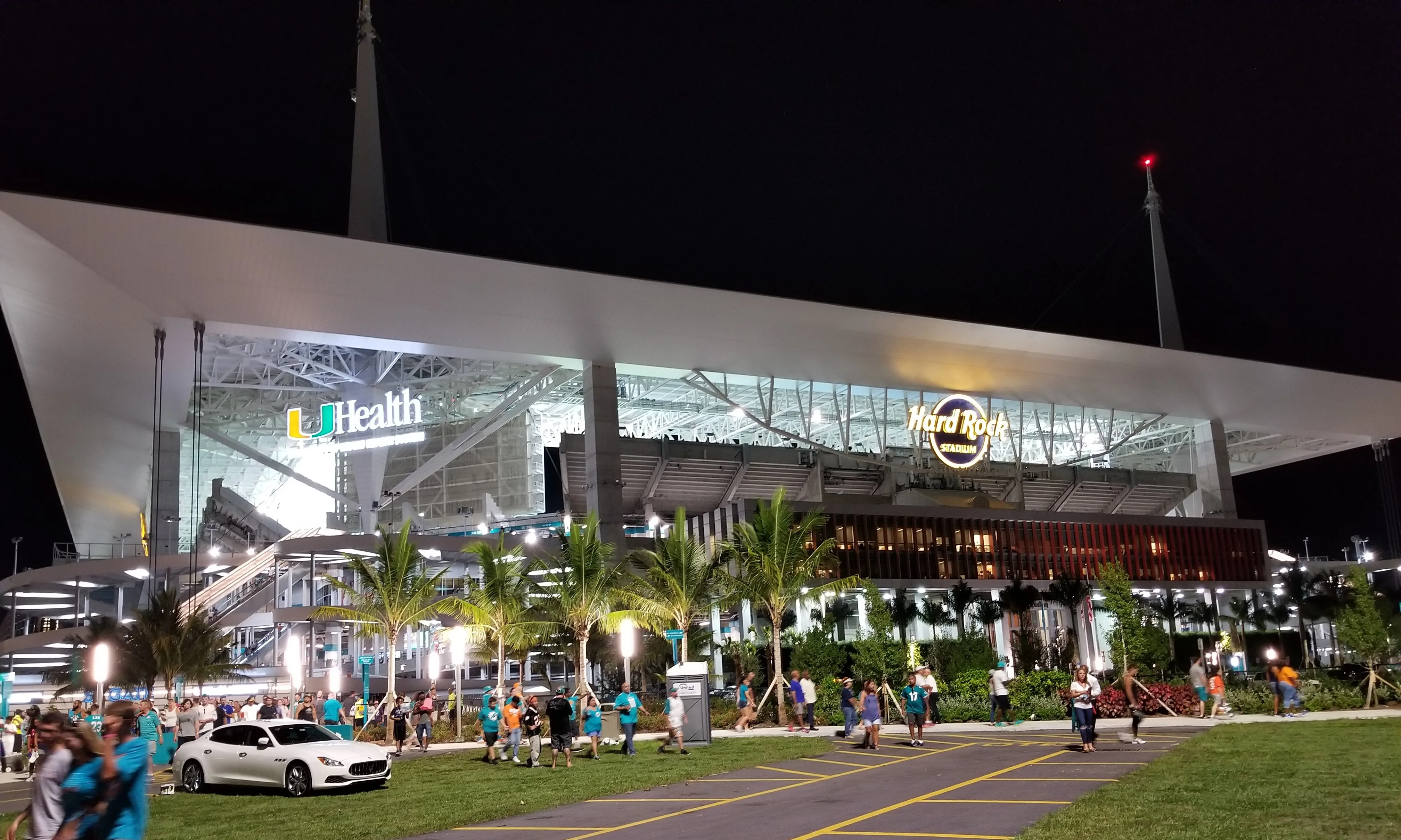
Miami
Official FIFA venue name for Hard Rock Stadium, set to host 7 matches including a quarter-final.
View Stadium Details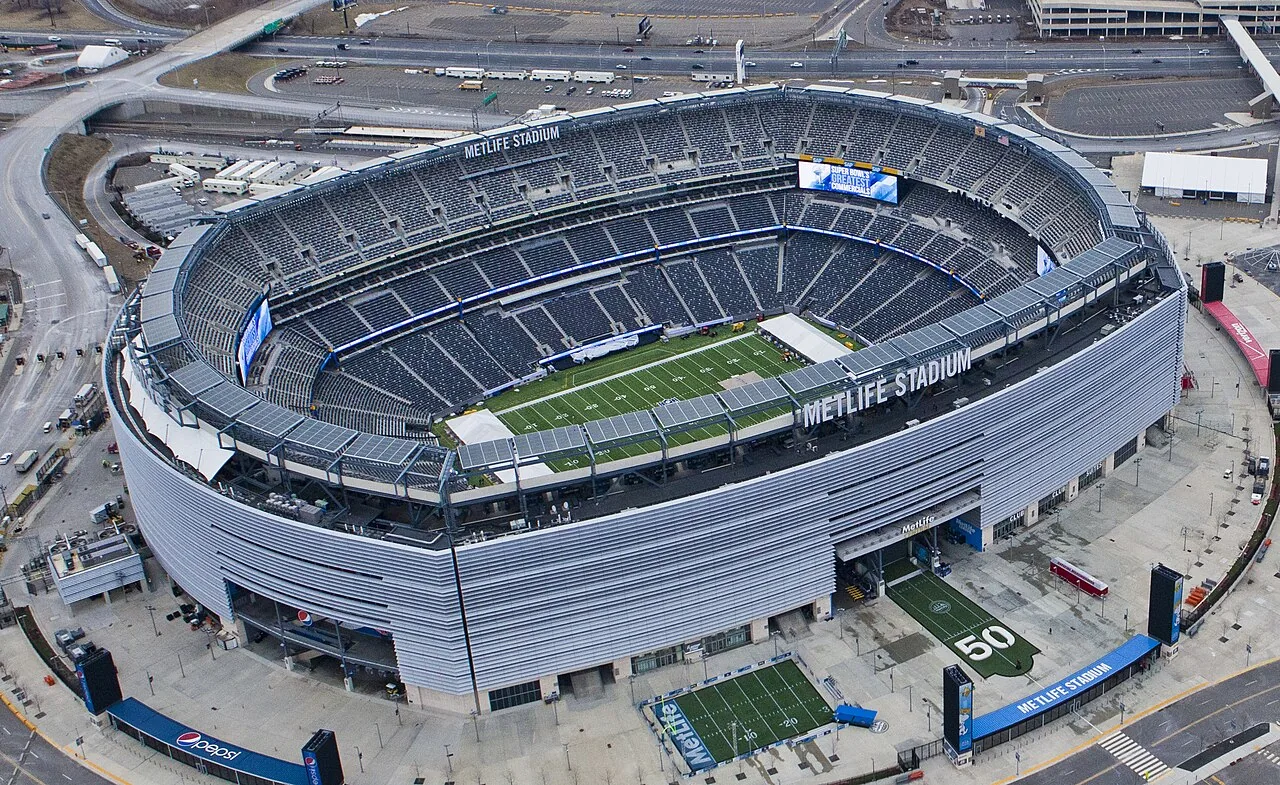
New York / New Jersey
Official FIFA venue name for MetLife Stadium, set to host 8 matches including the final.
View Stadium Details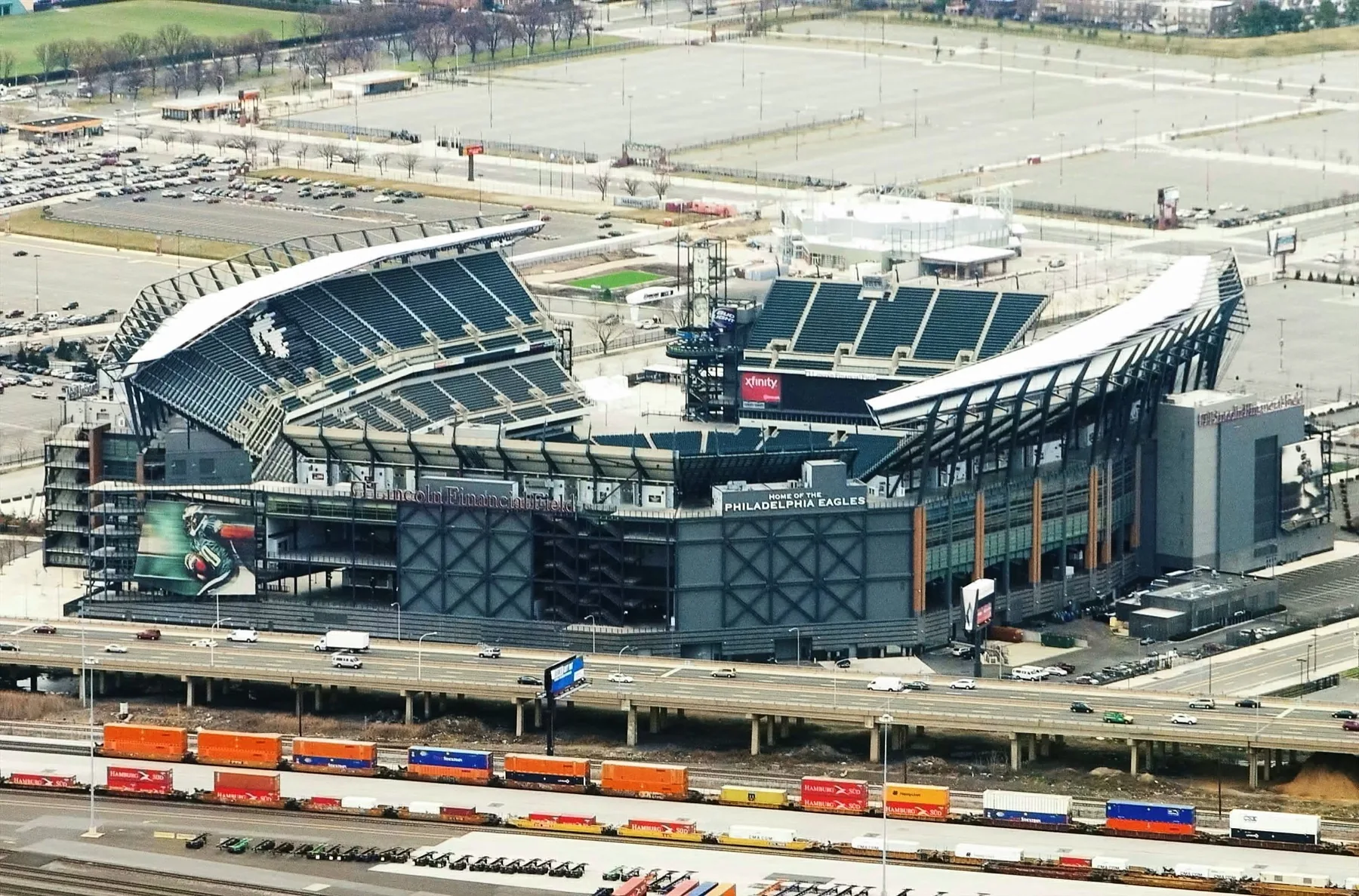
Philadelphia
Official FIFA venue name for Lincoln Financial Field, set to host 6 matches including a round of 16 match.
View Stadium Details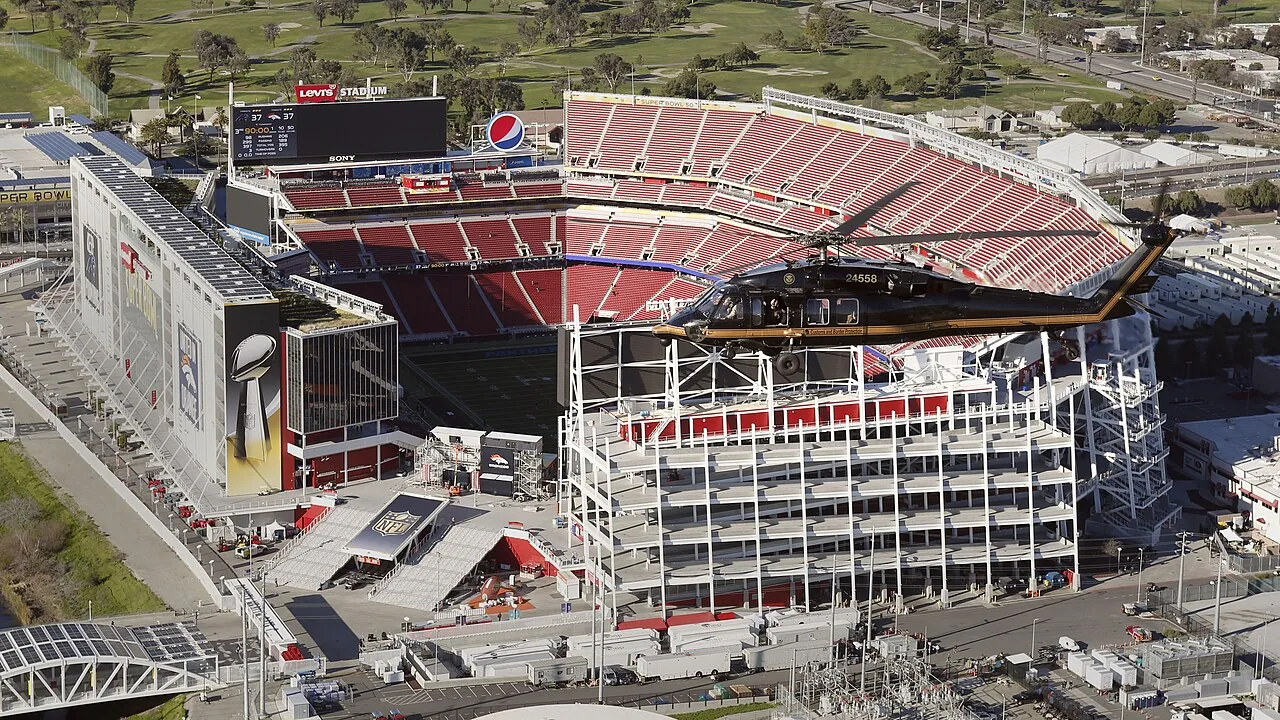
San Francisco Bay Area
Official FIFA venue name for Levi's Stadium, set to host 6 matches including a round of 32 match.
View Stadium Details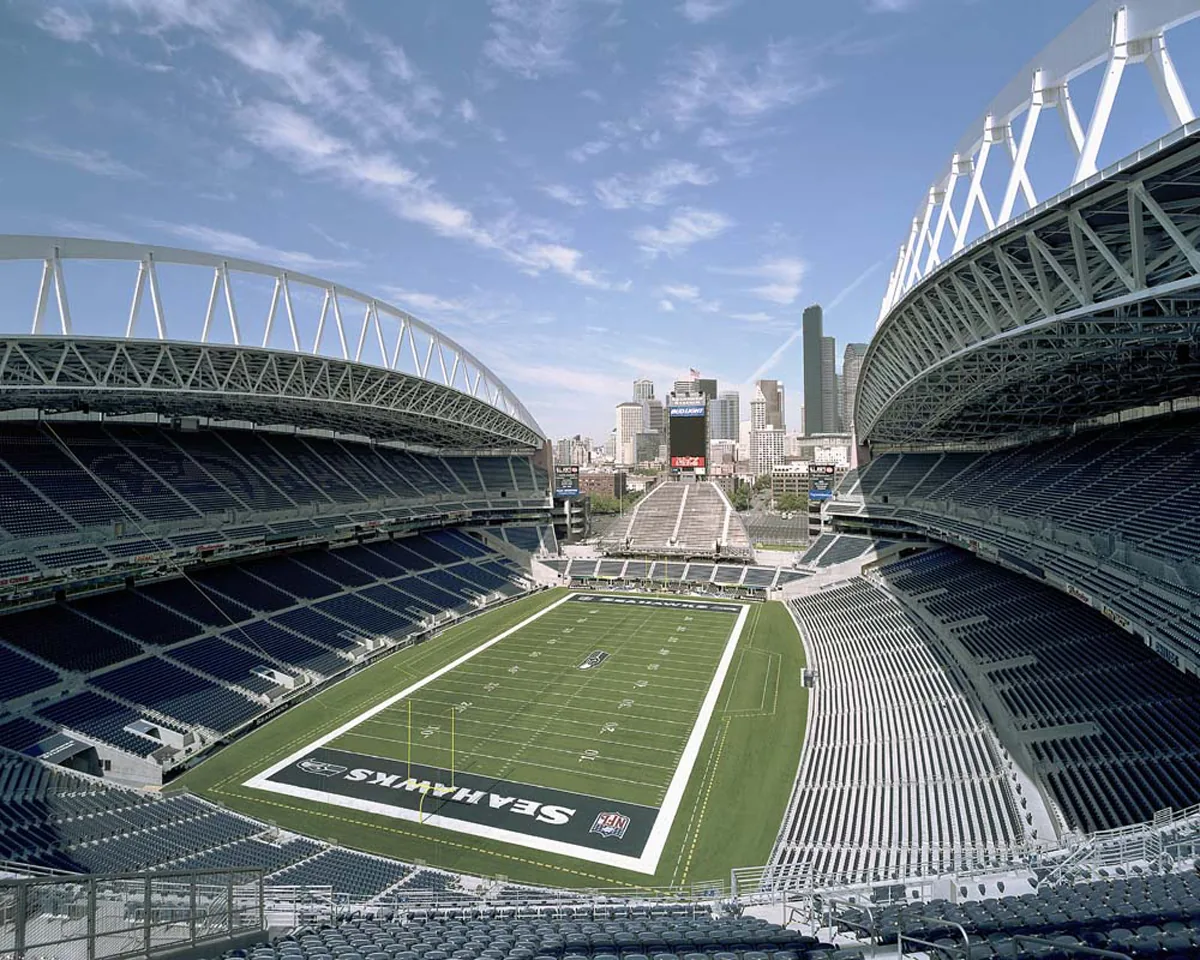
Seattle
Official FIFA venue name for Lumen Field, set to host 6 matches including a round of 16 match.
View Stadium Details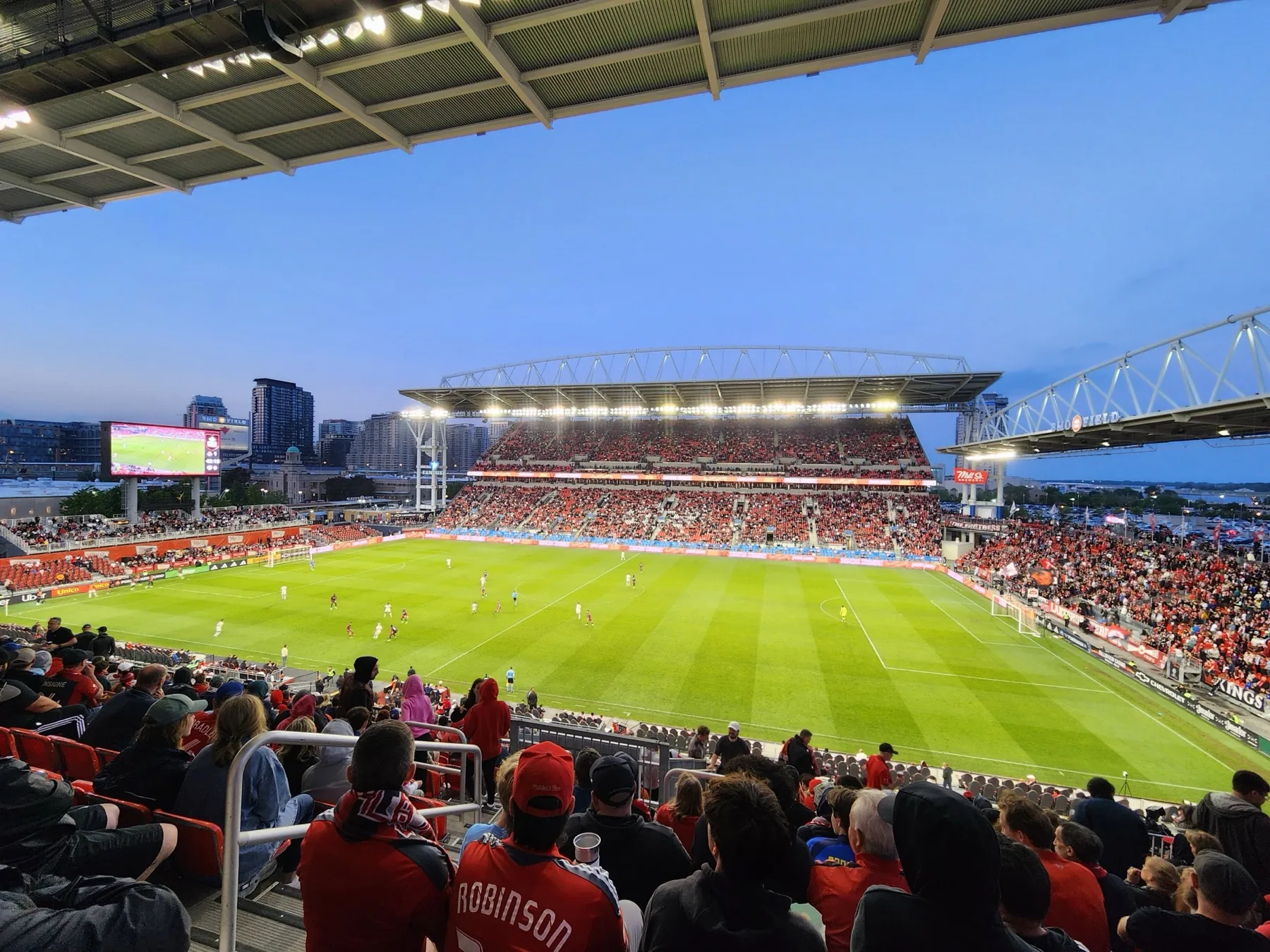
Toronto
Official FIFA venue name for BMO Field, set to host 6 matches including a round of 32 match.
View Stadium Details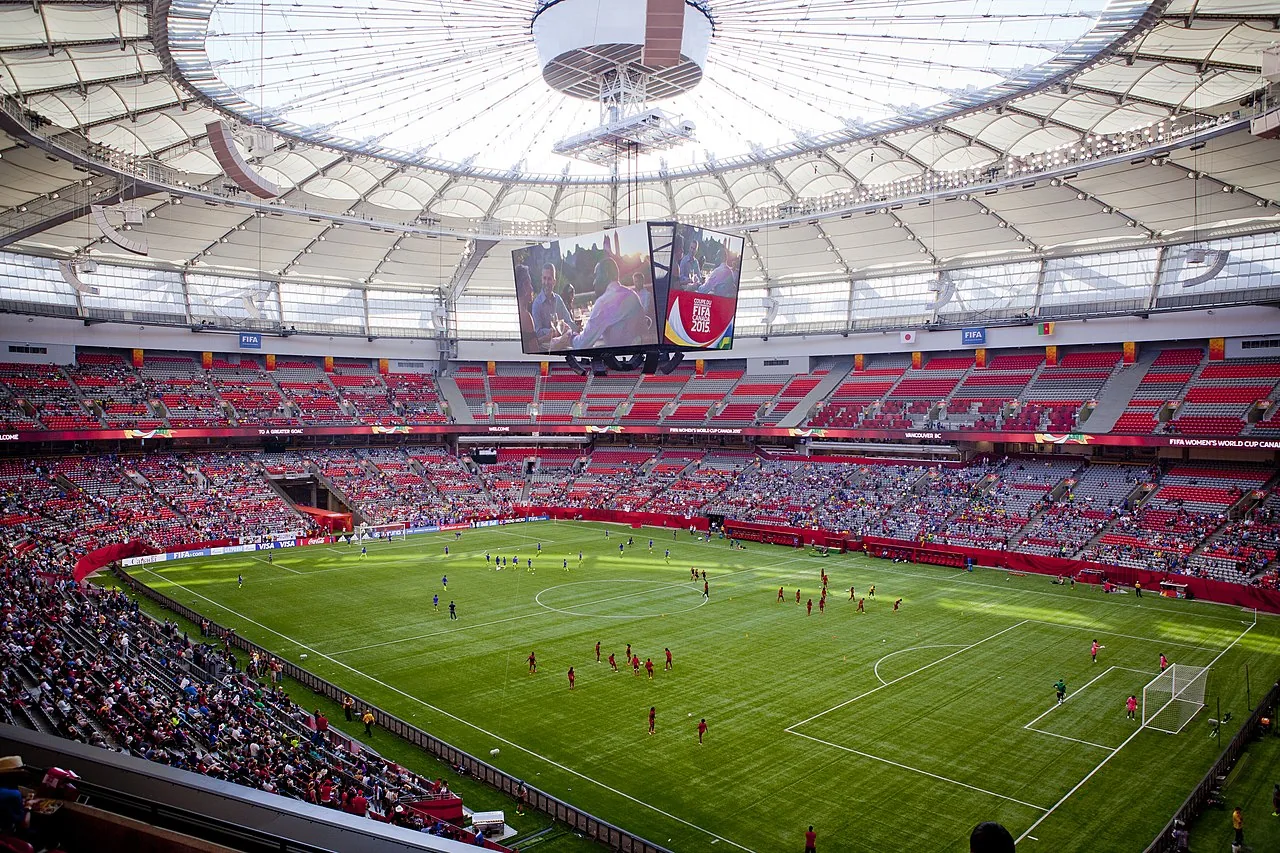
Vancouver
Official FIFA venue name for BC Place, set to host 7 matches including a round of 16 match.
View Stadium Details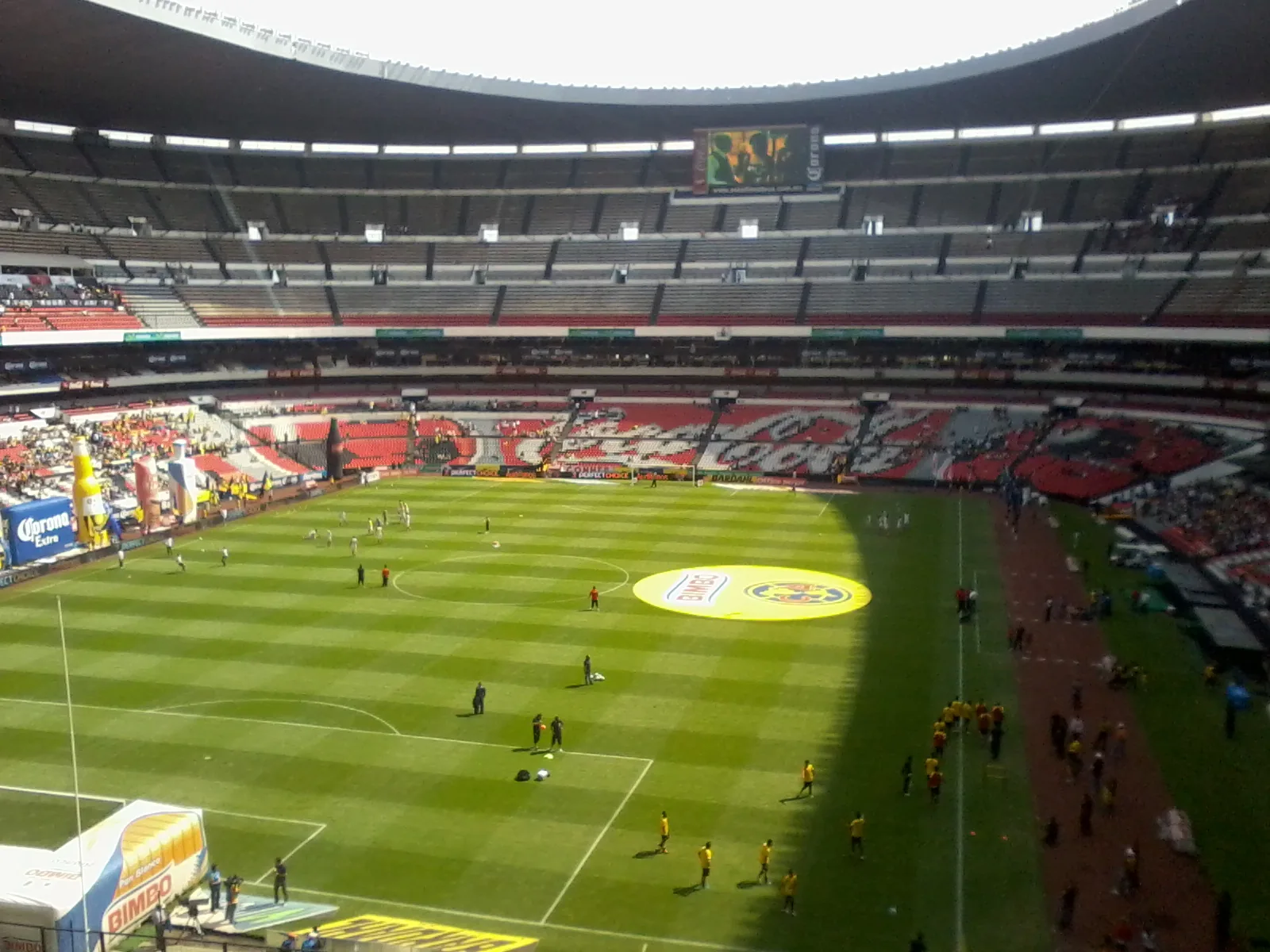
Mexico City
Official FIFA venue name for Estadio Azteca, set to host 5 matches including the opening match.
View Stadium Details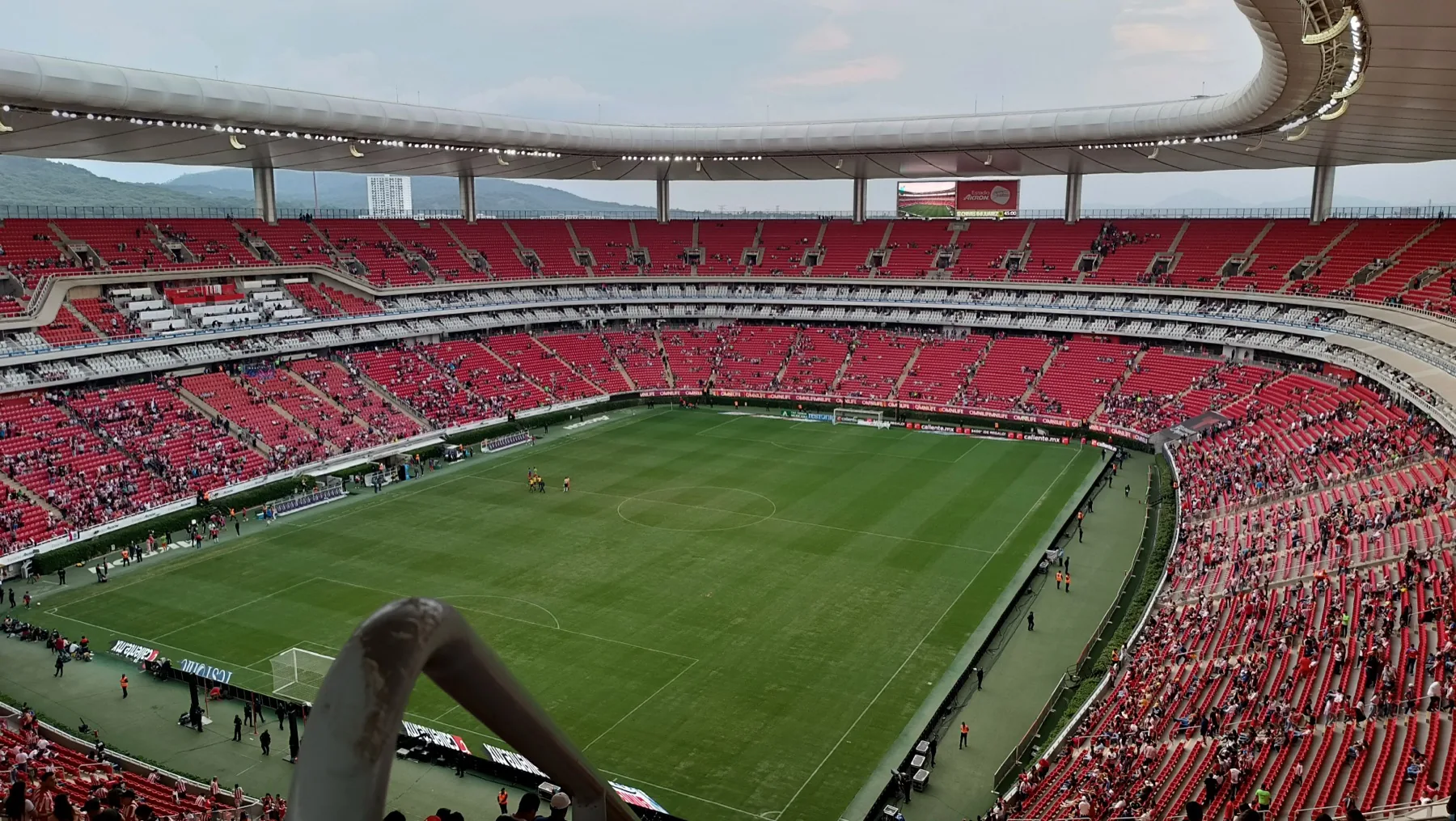
Guadalajara
Official FIFA venue name for Estadio Akron, set to host 4 matches including group-stage fixtures.
View Stadium Details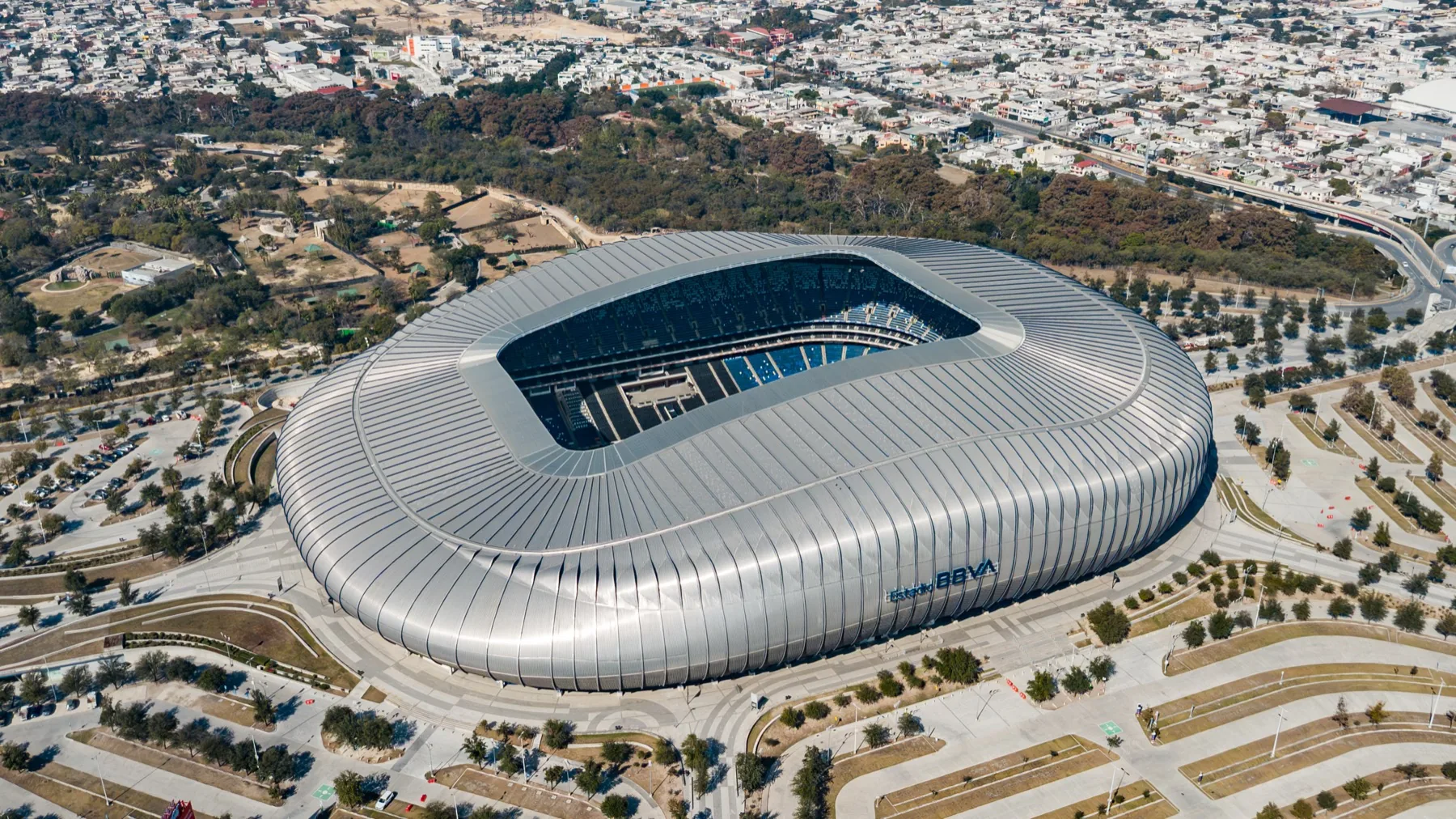
Monterrey
Official FIFA venue name for Estadio BBVA, set to host 4 matches including a round of 32 match.
View Stadium Details| Stadium | Country | City | Capacity | Opened |
|---|---|---|---|---|
| Atlanta Stadium | United States | Atlanta | 75,000 | 2017 |
| Boston Stadium | United States | Boston | 65,000 | 2002 |
| Dallas Stadium | United States | Dallas | 94,000 | 2009 |
| Houston Stadium | United States | Houston | 72,000 | 2002 |
| Kansas City Stadium | United States | Kansas City | 73,000 | 1972 |
| Los Angeles Stadium | United States | Los Angeles | 70,000 | 2020 |
| Miami Stadium | United States | Miami | 65,000 | 1987 |
| New York New Jersey Stadium | United States | New York / New Jersey | 82,500 | 2010 |
| Philadelphia Stadium | United States | Philadelphia | 69,000 | 2003 |
| San Francisco Bay Area Stadium | United States | San Francisco Bay Area | 71,000 | 2014 |
| Seattle Stadium | United States | Seattle | 69,000 | 2002 |
| Toronto Stadium | Canada | Toronto | 45,000 | 2007 |
| BC Place Vancouver | Canada | Vancouver | 54,000 | 1983 |
| Mexico City Stadium | Mexico | Mexico City | 83,000 | 1966 |
| Guadalajara Stadium | Mexico | Guadalajara | 48,000 | 2010 |
| Monterrey Stadium | Mexico | Monterrey | 53,500 | 2015 |
Mexico City Stadium opens the tournament on 11 June 2026, so the event begins in one of football's most historic settings. Since Estadio Azteca also hosted the 1970 and 1986 opening matches, the 2026 opener carries real legacy rather than empty nostalgia. That detail gives the first week of the competition extra global attention from fans and media. It also makes Mexico City one of the most emotionally loaded stops on the entire map.
New York New Jersey Stadium closes the tournament with the final on 19 July 2026, which gives the East Coast the last and biggest spotlight. Dallas Stadium sits at the other end of the scale because it will host nine matches, more than any other venue in the event. Miami adds another headline role by staging the bronze final, while Atlanta also carries semi-final status. Together, those assignments show where the heaviest late-stage pressure will land.
The United States supplies 11 of the 16 stadiums, which gives it control of most knockout routing and a large share of the tournament's overall movement. Yet Mexico and Canada still carry major identity value because both host nations stage signature moments with strong national meaning. That balance helps the event feel tri-national rather than centered on one country alone. Fans who understand that split can plan with more realism.
Toronto Stadium hosts Canada's opening game and the first men's World Cup match played in Canada, which gives the city genuine tournament weight. Vancouver then hosts Canada's second and third group fixtures, so the Canadian story runs coast to coast from the opening phase. Mexico begins the entire event in its capital, which reinforces the historic pull of its three host venues. Those roles matter because national-team matches create the strongest local demand.
Venue choice is not only about seat count, because match stage changes the real value of a trip. A stadium with seven or eight fixtures can be more useful than a famous ground hosting fewer priority dates. Supporters who focus only on reputation often miss better scheduling opportunities in other cities. So capacity should be viewed beside round allocation and travel ease.
Mexico City Stadium remains the biggest venue in the official list at 83,000, which underlines its place at the ceremonial heart of the event. Dallas Stadium combines size and schedule strength better than any other ground in 2026 because it carries the highest match total and a semi-final. That combination makes it one of the strongest all-round choices for fans chasing volume and stakes. New York New Jersey then balances fewer games with the single most important one.
The western route links Vancouver, Seattle, Santa Clara, and Los Angeles with cleaner air connections and simpler regional planning. As a result, that cluster works well for supporters chasing two or three matches in one week without crossing the continent. It also allows fans to combine stadium visits with strong local football culture in multiple cities. That makes the west a practical route, not only a scenic one.
The eastern route works for a different reason, because Toronto, Boston, Philadelphia, Atlanta, Miami, and New York New Jersey sit on well-established event corridors. Travel options are broad, but hotel pressure rises sharply near knockout dates and host-nation fixtures. Fans who use this corridor well usually book flexible stays earlier than they expect. That early timing can decide whether the route remains affordable.
Estadio Azteca offers unmatched World Cup memory, while SoFi Stadium and Mercedes-Benz Stadium reflect newer ideas about premium event design. So the right choice depends on whether a supporter values legacy, comfort, technology, or total match density. Some fans will prefer the emotional weight of history, while others want smoother concourses and newer hospitality features. Both styles matter in a tournament built to appeal to global audiences.
Toronto and Vancouver also carry special meaning in Canada because those two venues define the country's first men's World Cup experience as a host. That national milestone gives both stadiums more importance than raw capacity alone would suggest. Supporters traveling for host-nation atmosphere should keep that in mind before making quick comparisons. Emotion and symbolism will influence demand just as much as fixture count.
Mexico City, Guadalajara, and Monterrey give the tournament a strong football identity from the start, because each city brings a different version of matchday culture. Since the opener lands in the capital, Mexico begins the event with the most historic stadium on the map. That opening-week identity should shape how many fans choose to begin their World Cup route inside Mexico. The early atmosphere there may feel more traditional than elsewhere.
Guadalajara and Monterrey widen the group-stage spread in a useful way, because they offer different regional rhythms without forcing a country change. Supporters can stay in one national market while still experiencing distinct football environments and travel patterns. That makes Mexico one of the easiest countries for fans who want variety without extra border planning. It is a practical option as well as an emotional one.
Toronto Stadium carries national symbolism because Canada starts there on 12 June 2026 and opens its home campaign in front of a historic audience. Vancouver then takes on a bigger match load with seven fixtures across the schedule, so it becomes the more active western hub. This split gives the Canadian plan both meaning and practical balance. Each city supports a different kind of supporter journey.
Canada gains one eastern base and one western base, which makes the host story easier to understand for first-time international visitors. As a result, home supporters can follow the national team without creating a complicated three-country route in the opening phase. That clarity may help Canada become one of the simplest host nations for early planning. It also gives neutral travelers two very different experiences inside one co-host.
Atlanta, Dallas, Boston, Miami, and New York New Jersey all host major knockout dates, which gives the United States a strong grip on the tournament's late-stage shape. Because the country has 11 venues overall, it also controls most of the bracket's travel flexibility and recovery windows. Fans planning knockout-heavy trips will probably spend most of their route inside the United States. That is the clearest structural reality in the full venue map.
Los Angeles hosts the United States opening match, and Seattle hosts the second U.S. group fixture, which gives the host nation a strong west-coast launch. The national storyline then broadens as the bracket gradually shifts toward the eastern half of the country. Supporters who follow the U.S. team closely should watch that geography before booking multi-city plans. The host route is wide enough to punish rushed assumptions.
Big venues always attract early attention, yet match timing decides whether a trip actually works in real life. Use the full tournament schedule first, then narrow your shortlist by city and round. That order keeps the trip realistic because it filters out impossible jumps before money is committed.
After that, check the complete match list to see which stadiums fit your teams or knockout targets. That step usually prevents expensive last-minute changes and exposes weak travel assumptions before they become a problem. Fans who do this early tend to get better value from both tickets and hotels.
A stadium never works in isolation from its city, because transport, hotels, and local rhythm shape the matchday experience around it. Review the World Cup 2026 host cities before you lock flights, hotels, and local transit plans. That city layer often explains whether a stadium choice is practical or only attractive on paper.
City layout matters because some venues sit closer to urban transit, while others depend more on road access and longer security approaches. So fans who compare both layers usually build stronger itineraries with fewer matchday surprises. That extra step can save hours over the course of a multi-game trip.
Not every trip ends inside the stadium, and missed connections can happen even in well-planned routes. Check the official broadcast coverage so you still have a licensed match option when travel days clash with kickoff. That backup matters most when flights, border timing, or local transport runs late.
That backup matters even more in a 104-match tournament where supporters may move across several cities in one week. Since missed connections happen, prepared fans protect the biggest nights instead of gambling on perfect timing. A strong stadium plan always includes one fallback viewing option.
The tournament will use 16 stadiums across Canada, Mexico, and the United States. In fact, that spread supports the full 104-match format.
Mexico City Stadium, known locally as Estadio Azteca, will host the opening match on 11 June 2026. Since it also staged the 1970 and 1986 openers, it adds real history to day one.
New York New Jersey Stadium in East Rutherford will host the final on 19 July 2026. It will also stage five group matches and two earlier knockout fixtures.
Dallas Stadium will host nine matches, the highest total in the tournament. That schedule includes five group games, two round-of-32 ties, one round-of-16 match, and one semi-final.
Toronto Stadium will host Canada's opening game and the first men's FIFA World Cup match ever played on Canadian soil. As a result, it holds unique significance in the tournament map.
FIFA World Cup 2026 Stadiums give the tournament its scale, personality, and travel rhythm, because every major storyline runs through a specific venue. The best venue plan starts with official dates, then expands into city access, round value, and realistic movement between matches. Supporters who think in that order usually make better choices and spend less fixing mistakes. Stadium planning is really tournament planning in disguise.
Mexico City brings the opener, New York New Jersey hosts the final, and Dallas carries the heaviest match load in the field. Those three facts alone show how differently each venue contributes to the competition. Build your route early, refine it as ticket plans become clearer, and keep one backup option for every major transfer. That approach gives you the best chance to enjoy more matches with less stress.