
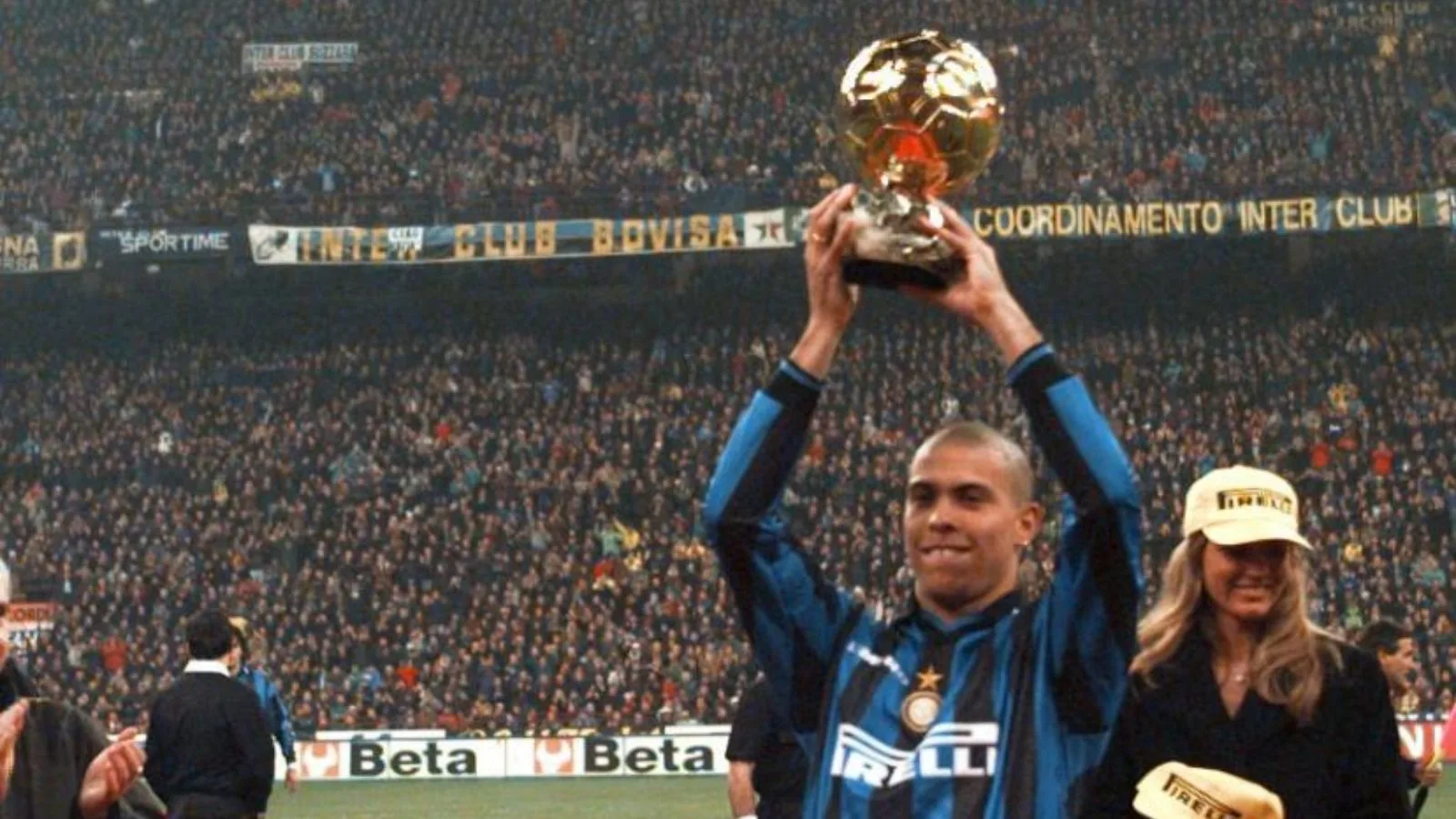
Brazil's Ballon d’Or history still shapes the way fans judge the national team before World Cup 2026. The country has won the award five times through four different players: Ronaldo in 1997 and 2002, Rivaldo in 1999, Ronaldinho in 2005 and Kaka in 2007. That is a remarkable individual legacy for one nation. For FIFA World Cup 2026 talk, it keeps Brazil tied to a standard that feels bigger than ordinary squad expectation.
Why Brazil’s Ballon d’Or list still matters
The award list is short, but it carries huge symbolic weight. Ronaldo gives Brazil two wins on his own, which immediately tells you how explosive that era felt. Rivaldo, Ronaldinho and Kaka each added a different version of Brazilian dominance, from direct scoring power to creative flair and all-round control. These are not minor names in football history. They are part of the country's modern football identity.
That matters before a World Cup because Brazil are rarely judged only by current form. They are measured against a deeper idea of what a Brazil side should look like when top talent meets global pressure. Ballon d’Or winners help define that expectation. Their legacy becomes the background noise every new generation has to live with.
The four names who built the record
Ronaldo was the first Brazilian to win the award in 1997 and then did it again in 2002. Rivaldo followed in 1999, Ronaldinho in 2005 and Kaka in 2007. That sequence gave Brazil five Ballon d’Or wins in a single decade of football culture, even though only four players account for them. Few national histories can match that concentration of individual prestige.
Each winner also reflected a different phase of Brazil's identity. Ronaldo represented devastating pace and finishing, Rivaldo brought decisive end product from deeper attacking zones, Ronaldinho embodied improvisation and joy, and Kaka added stride, power and elite late-run timing. Together they formed a standard that still shadows every modern Brazil selection debate.
Why the modern wait keeps being discussed
The source text ties the old winners to the current near-misses. Vinicius Junior narrowly finished runner-up to Rodri in 2024, while Raphinha also entered the conversation before ending last year in fifth place behind Ousmane Dembele. That keeps the Brazilian Ballon d’Or question active rather than historical. The next winner has not arrived, but the country is still close enough to keep the topic alive.
That gap matters because it tracks a wider football question. Brazil still produce elite attacking talent, yet the country has not translated that into another Ballon d’Or victory since Kaka. Every near-miss renews the debate about whether the next global number one is already here or whether Brazil's modern talent has just fallen short of the final individual leap.
How the award history connects to World Cup 2026
Ballon d’Or history and World Cup expectation are never identical, but they overlap in obvious ways. A nation that has produced Ronaldo, Rivaldo, Ronaldinho and Kaka is always going to be asked whether the next tournament side carries similar match-winning force. That is why the old winners keep resurfacing in current Brazil conversation. They define the upper ceiling of what people think a Brazil team can be.
So the record is about more than nostalgia. It is a reminder that Brazil's individual brilliance has often shaped the wider World Cup narrative long before the first match. With another tournament close, the Ballon d’Or roll of honour becomes a fresh way of asking whether the country still has the player who can tilt the global story back in its favour.
Frequently Asked Questions
How many Ballon d’Or wins does Brazil have?
Brazil has five Ballon d'Or wins through four players, a legacy that still shapes how fans judge the 2026 squad.
Which Brazilian player won the Ballon d’Or twice?
Brazil's Ballon d’Or history still shapes the way fans judge the national team before World Cup 2026. The country has won the award five times through four different players: Ronaldo in 1997 and 2002, Rivaldo in 1999, Ronaldinho in 2005 and Kaka in 2007.
Who are the four Brazilian Ballon d’Or winners?
Ronaldo, Rivaldo, Ronaldinho and Kaka are the four Brazilian players to win the award.
Why is Brazil Ballon d’Or winners important now?
Because Brazil’s Ballon d’Or legacy still shapes how fans judge whether the current squad has enough elite match-winning quality.
Brazil's Ballon d’Or list is short enough to memorise and powerful enough to shape an era. That is why it keeps returning to the conversation whenever a new World Cup forces the country to measure itself against its own history.
Stay tuned to FWCLive.com for the latest FIFA World Cup 2026 updates.
Read Also: Ancelotti Faces a New Neymar Row as Brazil Selection Pressure Grows