

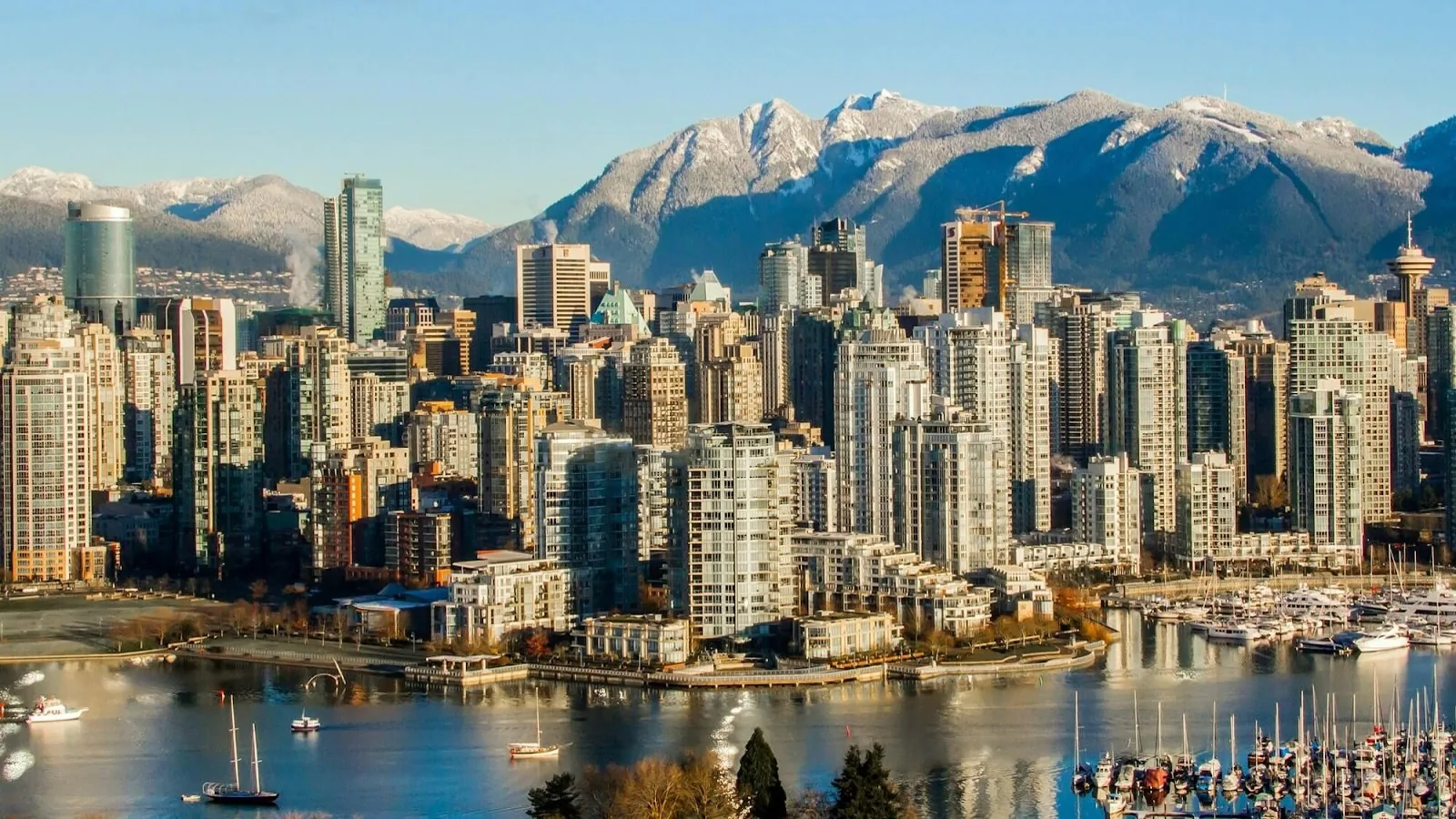
The Canada World Cup 2026 tourism shift is becoming a serious host-market story as North American travel demand moves in uneven directions. Recent travel coverage points to softer international confidence around trips to the United States while Canada continues to market itself as a stable tournament destination. That matters because the FIFA World Cup 2026 is not one travel market. It is a three-country event where visitors can compare cities, borders and public mood before booking.
Why Canada could gain from the shift
Canada has two clear advantages in the current travel conversation. Toronto and Vancouver are both major international gateways, and both already sit inside established tourism networks. If some visitors hesitate over U.S. entry conditions or political noise, Canadian host cities may feel more attractive for pre-tournament stays, fan events or match trips. That does not mean the U.S. will lose the event economy, but it does mean Canada can capture extra demand around the edges.
The timing also helps Canada. Fans are now moving from interest to real bookings, so perceptions can influence where they spend money. Hotels, restaurants, transport operators and tour providers all benefit when visitors extend trips around match windows. A softer U.S. travel mood can push some supporters to spend more time in Canada before or after crossing into other host cities.
What this means for Toronto and Vancouver
Toronto host city planning already depends on more than stadium operations. The city needs hotel capacity, fan-zone programming, airport flow and public transport confidence to work together. If Canada gains extra visitor interest, those services face a stronger test. The opportunity is large, but only if the city experience feels easy once fans arrive.
Vancouver host city planning carries a similar upside. The city is attractive for international visitors because it combines sport, scenery and a compact downtown travel pattern. That makes it a natural candidate for supporters who want a longer North American trip, not only a matchday visit. Still, higher demand can also raise accommodation costs, so fans need to book carefully.
The U.S. confidence issue still shapes the whole tournament
Canada’s opportunity is tied to a wider concern across the tournament. The U.S. remains the largest host city by matches and cities, yet recent travel-warning stories have made border preparation part of fan planning. Visitors are thinking about visas, entry screening, costs and local transport before they commit to a route. That makes the wider travel story more complicated than a normal football tournament.
For Canada, the smart approach is not to frame the issue as a rival’s weakness. It is to make the Canadian leg feel reliable, welcoming and easy to navigate. If Toronto and Vancouver can deliver that, they may gain repeat attention from fans who had not originally planned to spend much time there. That is where the tourism shift becomes commercially important.
What fans should do before booking
Fans should compare border rules, match locations and travel time before locking in flights. A Canada-based itinerary can work well for some supporters, but the schedule still matters. Moving between Toronto, Vancouver and U.S. host cities is not a simple local hop. The best plan is the one that matches tickets, budget and entry documents.
Supporters should also avoid assuming that one host country will be cheaper than another. Demand can move quickly when fans start reacting to the same travel signals. Canada may feel calmer as a destination, yet prices can still rise near match windows. Early planning remains the strongest advantage.
Frequently Asked Questions
Why could Canada gain tourism before World Cup 2026?
Canada could benefit if some international visitors prefer its host cities while U.S. travel confidence softens.
Which Canadian cities host World Cup 2026 matches?
The Canada World Cup 2026 tourism shift is becoming a serious host-market story as North American travel demand moves in uneven directions.
Does this mean fans should avoid the United States?
No. It means fans should compare entry rules, travel costs and match routes before booking.
What should fans check before planning a Canada route?
Fans should check match tickets, flight routes, border documents, hotel prices and city-to-city travel time.
Canada’s World Cup 2026 tourism opportunity is real, but it depends on execution. Toronto and Vancouver can benefit from shifting travel sentiment if the fan experience feels smooth. For supporters, the practical answer is to plan early and compare all three host countries carefully.
Stay tuned to FWCLive.com for the latest FIFA World Cup 2026 updates.
Read Also: Canada World Cup 2026 Visa Ticket Contest Nears Deadline