
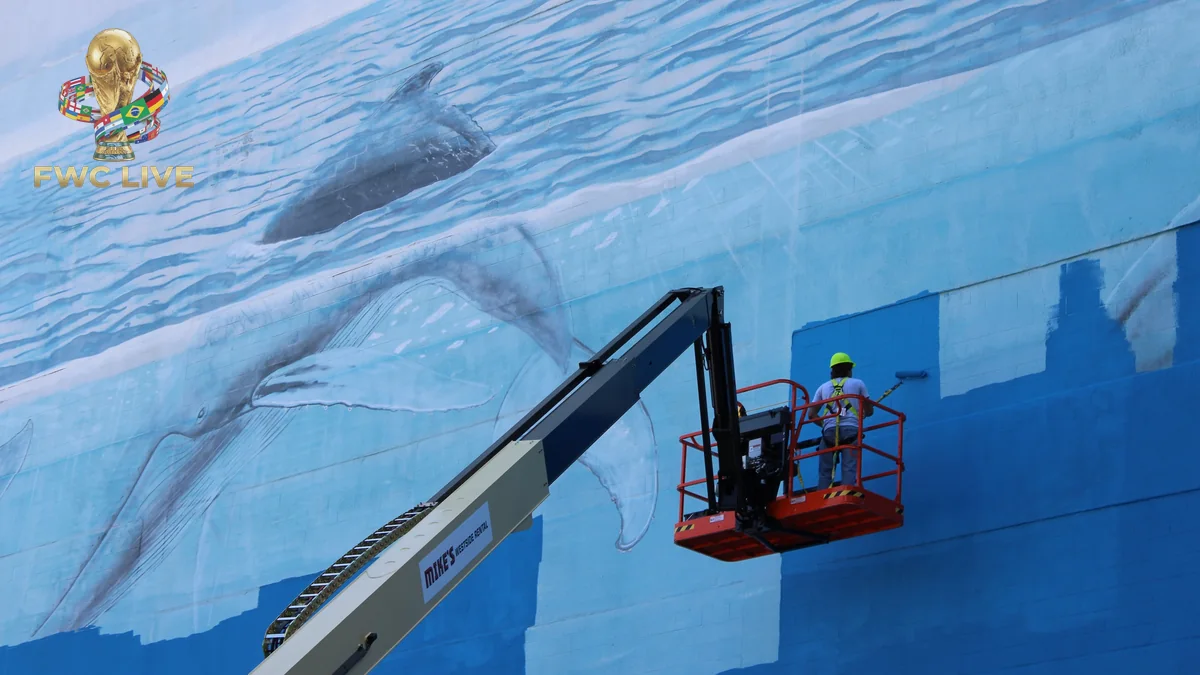
Dallas World Cup 2026 mural dispute news has turned a local art decision into a wider host-city debate. A well-known downtown whale wall has been covered as the city prepares tournament-facing display space. The change has frustrated residents who saw the mural as part of the area's identity. It also shows how World Cup 2026 preparation can affect public spaces before fans arrive.
The issue matters because host-city upgrades are not only about stadiums and transit. Streets, walls, signs, and fan routes also become part of the event image. When local artwork is replaced, residents can feel that tournament branding is pushing aside community memory. That tension is now visible in Dallas.
Why Dallas World Cup 2026 Mural Dispute Matters
World Cup preparation often asks cities to look cleaner, more coordinated, and easier to navigate. That can help visitors, sponsors, and broadcast crews. Yet public art carries emotional value that does not show up in a logistics plan. In Dallas, the whale wall dispute has made that tradeoff clear.
The tournament will bring huge attention to North Texas. AT&T Stadium is one of the most important venues in the schedule, and Dallas will want a strong city presentation. Still, local trust matters during major events. If residents feel ignored, even small design choices can become bigger public stories.
What Changed In Downtown Dallas
The covered mural was not just a blank wall. It had become familiar to people who live, work, and spend time downtown. Replacing that visual for a World Cup display may make sense to organisers, but it changes the daily landscape for residents. That is why reaction has moved beyond normal event branding talk.
The dispute also raises a simple planning question. Cities need to decide which spaces are temporary tournament canvases and which should remain protected community markers. Clear communication can reduce frustration. Without it, even practical preparation can feel abrupt.
Dallas Host-City Planning Lessons
The mural story is small compared with stadium conversion, security, and transport work. Even so, it is useful because it shows where public sentiment can shift. Fans will remember the look and feel of host cities, not only the matches. As a result, local culture should be part of presentation plans.
- Public art can carry strong local attachment
- Temporary tournament branding needs clear communication
- Host-city design choices can become news before kickoff
- Dallas must balance global visibility with local identity
What Comes Next In Dallas
Dallas still has major World Cup work ahead. Transport, security, hospitality, fan movement, and stadium operations remain much larger tasks. The mural dispute will not define the entire tournament plan. Yet it can influence how carefully future public-facing changes are handled.
The best path is transparency. Residents need to know which changes are temporary, who approved them, and whether local art will return or be replaced elsewhere. That clarity can reduce tension before the tournament crowds arrive. Dallas has time to respond before World Cup attention peaks.
Frequently Asked Questions
What is the Dallas World Cup 2026 mural dispute?
The dispute began after a familiar downtown whale wall mural was covered for a World Cup-related display.
Why are people upset about the Dallas mural?
Many residents viewed the mural as part of downtown Dallas identity and did not want it replaced without clearer communication.
Is Dallas hosting World Cup 2026 matches?
Yes, the Dallas area will host matches at AT&T Stadium.
Will the mural return?
The long-term plan for the mural site is yet to be confirmed.
Why does public art matter for host cities?
Public art shapes how residents and visitors experience a city during major events.
The Dallas mural dispute is a reminder that World Cup preparation reaches beyond stadium walls. Host cities need global polish, yet they also need local trust. Dallas can still turn the moment into a better communication model before tournament visitors arrive.
Stay tuned to FWCLive.com for the latest FIFA World Cup 2026 updates.
Read Also: World Cup 2026 Base Camps Explained As Teams Pick Homes