
FEMA World Cup 2026 security planning has moved deeper into the operational phase as U.S. responders line up for specialist support. The Center for Domestic Preparedness says host-city responders could receive training as tournament planning advances. That matters because security stories now sit well beyond theory. FIFA World Cup 2026 is close enough that preparation is shifting toward live readiness, crowd control, and medical response.
What The Domestic Preparedness Update Tells Us
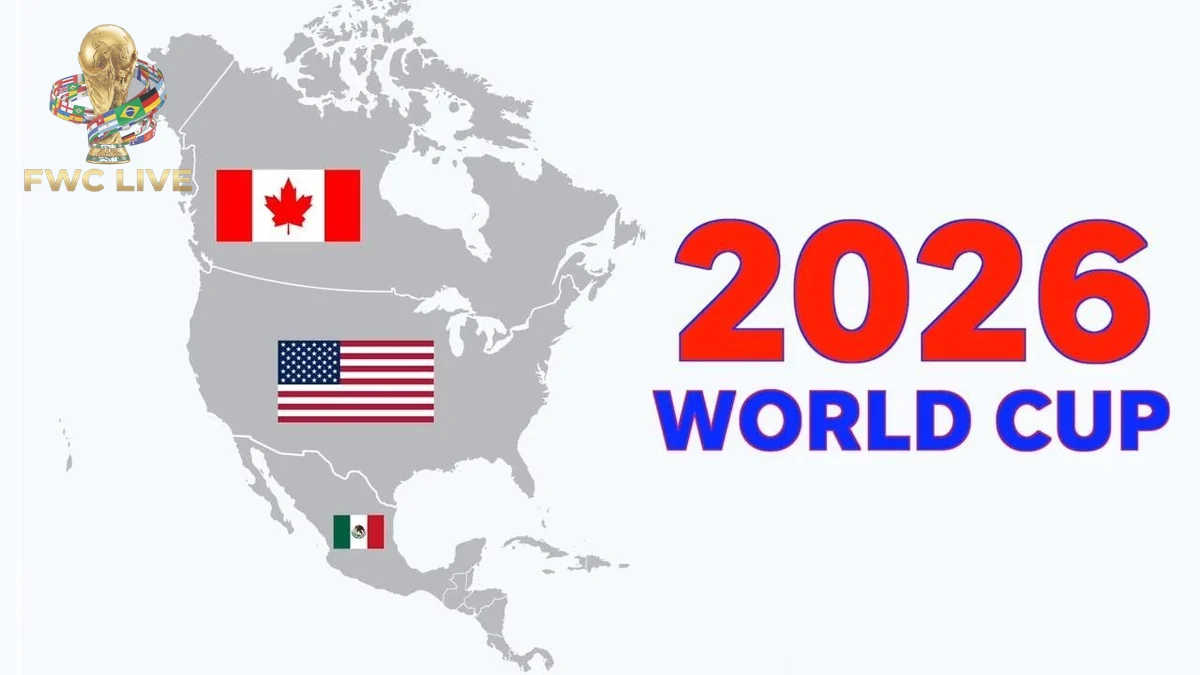
The Center for Domestic Preparedness says participants and spectators may ultimately benefit from the training pipeline being built around the event. The United States is due to host matches at 11 different sites, so the national security burden is spread across a large geography. That scale changes everything from travel coordination to medical planning. A tournament this wide cannot lean on ordinary event staffing alone.
The preparedness centre also says responders in those cities could receive training, especially if matches in those cities are declared National Special Security Events. That is an important line because it connects the World Cup to the kind of event planning usually reserved for the biggest national gatherings. Once that threshold becomes part of the discussion, the training requirement becomes much more serious.
This is where the story moves from abstract risk to practical needs. Host-city planning is not only about policing stadium perimeters. It is also about transport bottlenecks, mass gathering health response, and inter-agency coordination under pressure. Training fills the gap between having agencies on paper and making them work smoothly on match week.
Why U.S. Host Cities Need Specialist Support
The preparedness centre says it routinely helps states and local jurisdictions bridge capability gaps before major security events. It is already supporting Washington, Chicago, and Milwaukee around other high-profile events. That matters because World Cup cities are not starting from zero, yet they are entering a security environment with different crowd patterns and international travel demands.
Resident and non-resident courses are part of that support model. Public order, public safety, and healthcare response all sit inside the training menu. So the World Cup conversation is not only about law enforcement posture. It also includes emergency medicine and the coordination of agencies that may not usually train together for football-driven crowds.
The United States match map makes that especially important. Stadium cities such as Houston and East Rutherford will face different traffic, venue, and public-space pressures than smaller event clusters. A broad training program helps standardise the baseline even when each city has different local challenges.
Why This Update Matters Right Now
Security funding stories have already surfaced around several venues, including Houston security funding. This new preparedness update gives the next layer. Money matters, yet people and training matter just as much once operations move closer. You can fund a plan early and still fail if agencies do not train against real match-day scenarios.
That is why this phase deserves attention. The World Cup is now near enough that public-safety preparation must leave the memo stage. Training is one of the clearest signs that officials know the calendar is tightening. It also gives host cities a better chance to spot weak points before supporters arrive in force.
Fans may never see most of this work directly, and that is often the point. Good tournament security becomes visible only when it fails. The stronger sign is steady preparation before the event opens. This update suggests U.S. planners are trying to build that margin now rather than chase it late.
Frequently Asked Questions
What is the latest FEMA World Cup 2026 security update?
U.S. responders in World Cup cities could receive specialist training support as tournament security preparation moves forward.
Why does training matter for World Cup 2026 security?
Training matters because crowd safety, medical response, and inter-agency coordination all need live preparation before the event begins.
How many U.S. sites are scheduled to host World Cup 2026 matches?
The United States is scheduled to host matches at 11 sites during World Cup 2026.
Could World Cup matches be treated as National Special Security Events?
That remains to be determined, but preparedness officials say training support would be especially relevant if those matches receive that designation.
World Cup 2026 security planning is becoming more practical and less theoretical across the U.S. host network.
Training support is one of the clearest indicators that preparations are now entering the serious execution stage.
Stay tuned to FWCLive.com for the latest FIFA World Cup 2026 updates.
Read Also: Justin Kluivert Return Lifts Netherlands World Cup 2026 Outlook