

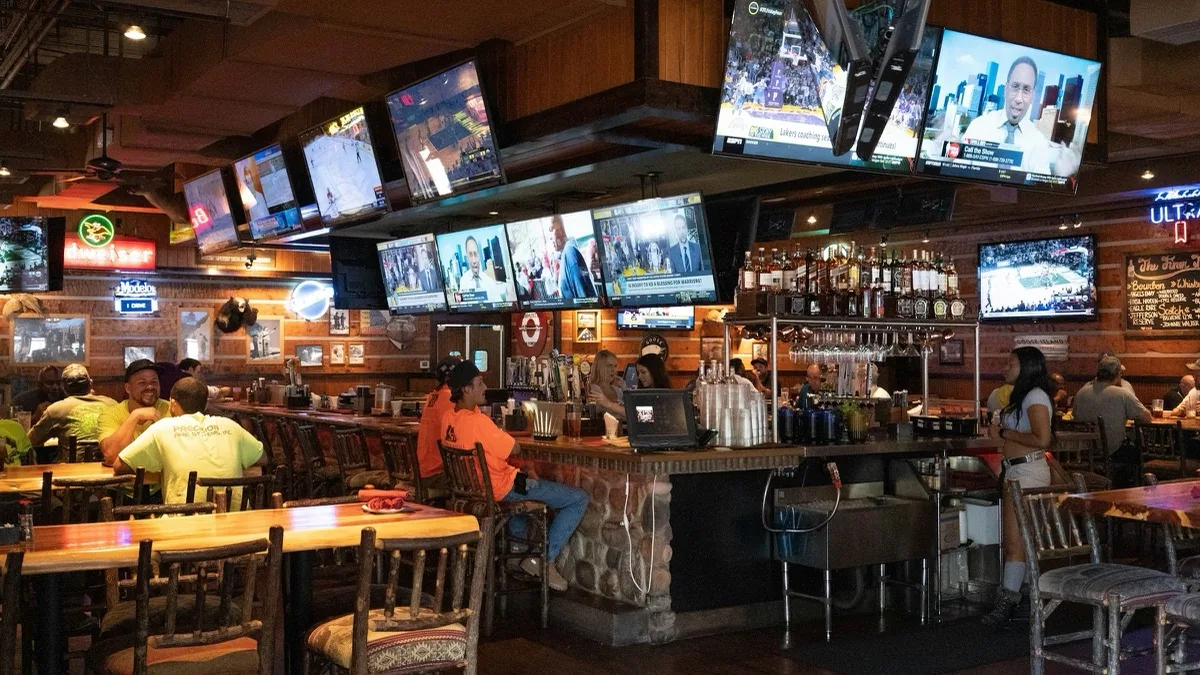
Fife has approved later pub opening hours for selected World Cup 2026 match nights. The policy covers games involving Scotland and England, then extends to the quarterfinals, semifinals, and final. That gives local venues a clear framework for one of the busiest summer screening periods. It also shows how fan planning is moving beyond stadiums and into town-level viewing spaces.
What the new policy allows
The licensing board has agreed that eligible premises can stay open until half an hour after matches involving Scotland or England finish. That is the key operational change in the decision. It shifts the focus from normal closing rules to football-specific flexibility. So local venues now know the basic window they can work with on the biggest nights.
The same rule will also apply to the quarterfinals, semifinals, and final. On top of that, venues can seek approval for other matches where there is clear local demand or community interest. That part matters because it gives the plan some reach beyond only two national teams. It leaves room for broader fan demand without turning the entire summer into an unrestricted extension.
Why Scotland fixtures are central to the decision
The source identifies Scotland fixtures as a clear pressure point. Scotland open against Haiti at 02:00 on June 14, then face Morocco and Brazil on June 19 and June 24. The latter two group games both have 23:00 kick-offs. Those times make later licensed hours far more relevant than they would be for an earlier local schedule.
That timing also explains why the board expects the strongest attendance around Scotland and England matches. The decision was built around where demand is most likely to spike. In other words, the policy is targeted rather than symbolic. It is designed for fixtures that are expected to pull crowds rather than for every game on the calendar.
Which venues can actually use the extension
Not every site can automatically take advantage of the change. Venues must already be authorised to provide televised sport and entertainment under their licence conditions. That limitation keeps the plan tied to existing compliance rules. It also reduces the chance of late, improvised match-night operations at unsuitable premises.
The board is also encouraging venues to run some form of ticketing system. That detail says a lot about how officials view the likely demand. They are planning for controlled attendance rather than casual overflow. So the Fife World Cup 2026 pub opening plan is being treated as crowd management as much as hospitality.
What the board is not allowing
The decision still leaves some limits in place. There is no obligation for any business to use the extra time, and any venue that does must continue to follow the conditions on its current licence. That means the extension is optional and regulated. It is not a blanket pass to change everything on a match night.
The board also said no applications had been lodged for fan zones at this stage. It further confirmed that there would be no repeat of the Dunfermline Athletic screenings seen during the European Championship. Those details matter because they show where Fife is drawing the line. The plan supports viewing demand, yet it does not open the door to a wider event footprint.
Why this matters for the wider tournament build-up
A World Cup does not only reshape host cities. It also affects local screening culture in places far from the stadiums. That is the wider lesson from the decision in Fife. Towns and licensing boards are already adapting to kick-off times, supporter habits, and the draw of late-night World Cup matches.
For supporters, the immediate message is practical. Scotland and England fixtures now have a clearer local viewing plan in one part of Scotland, and later knockout games can follow the same route. That may look small beside the larger tournament headlines. Still, it is exactly the kind of real-world planning that shapes how fans actually experience the competition.
Frequently Asked Questions
How late can eligible Fife pubs stay open for key matches?
They can remain open until half an hour after the relevant match finishes.
Which teams are specifically covered by the automatic extension?
Fife has approved later pub opening hours for selected World Cup 2026 match nights. The policy covers games involving Scotland and England, then extends to the quarterfinals, semifinals, and final.
Are fan zones already confirmed in Fife for the tournament?
The board said no fan zone applications had been lodged at that stage.
Fife has turned a broad summer football demand into a defined local policy. That makes the area one of the clearer examples of how fan viewing plans are taking shape before the tournament starts.
Stay tuned to FWCLive.com for the latest FIFA World Cup 2026 updates.