
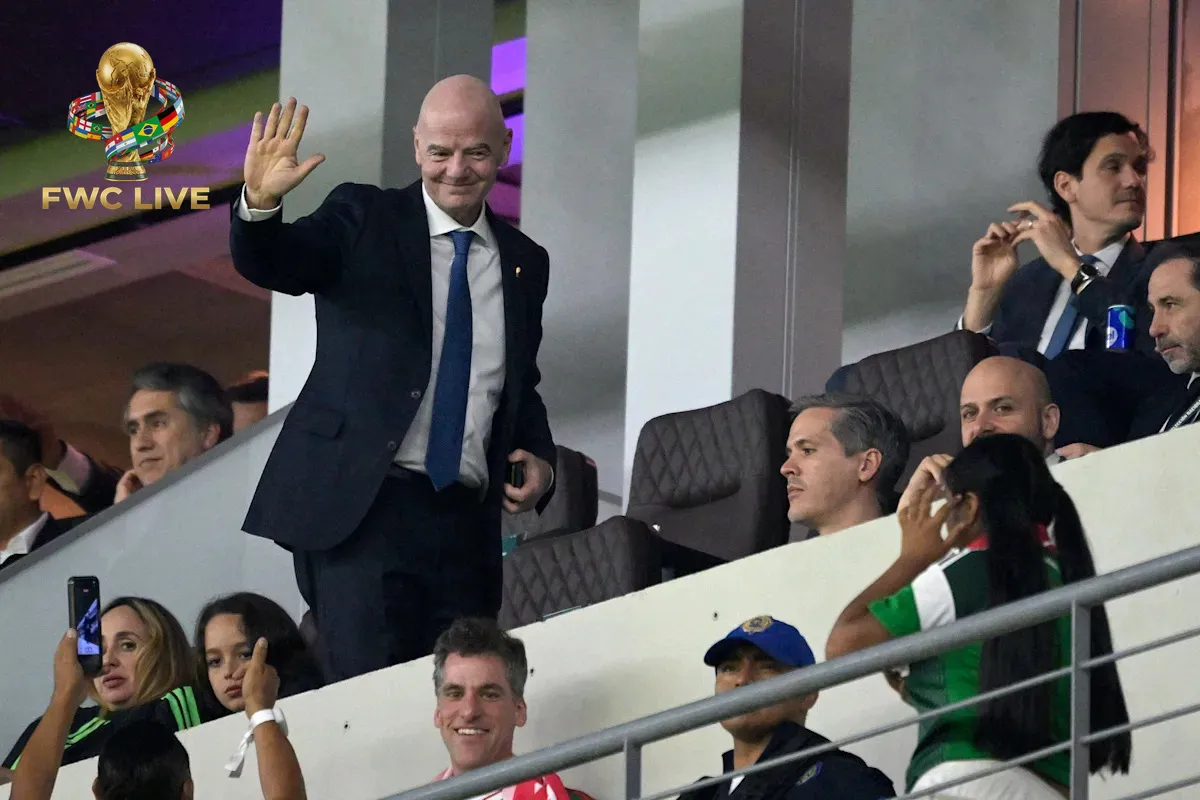
Infantino defends World Cup 2026 ticket prices at a moment when criticism has become impossible to ignore. Speaking during the FIFA Congress in Vancouver on April 30, he accepted that some seats are expensive but said affordable options still exist across the tournament. That defence arrives after weeks of anger over premium categories, dynamic pricing and late sales phases that have left many headline matches with only very costly seats visible. The result is a ticket market that still has demand, yet also carries a growing trust problem.
What Infantino Said About Pricing
Infantino's central argument was simple. FIFA say they have sold all of the inventory released so far, which he described as roughly 90 percent of the global stock already put through the market. From that viewpoint, demand is validating the pricing model even while supporters complain. He also pointed to cheaper options, including the smaller pool of sixty-dollar seats FIFA previously announced for all 104 matches.
That defence is commercially clear, yet it does not answer every fan complaint. Supporters are not only asking whether seats exist. They are asking whether normal fans can still reach major matches without entering a market shaped by scarcity and shock pricing. Once those two questions split apart, a strong sales number stops being a full answer on its own.
Why The Pushback Has Become So Loud
Part of the anger comes from visibility. Buyers can now see huge top-end prices in real time, including reports that one Atlanta semifinal only had seats at $9,660 on April 30. That kind of number changes the tone of the whole market because it becomes a symbol of how far the premium end has drifted away from ordinary supporters. It also pulls fresh attention toward the wider World Cup ticket costs debate rather than letting it cool down.
The structure of the market has also become a story by itself. The World Cup 2026 front-row seat release created a new premium lane, and dynamic pricing means public costs can move with demand. Fans understand big events are expensive, yet many feel the ladder has been widened too aggressively during the last stretch of sales. That is why criticism is no longer about one match or one phase. It is about whether the buying process still feels fair.
What Buyers Should Take From This
The market is still active, so discipline matters more than emotion. Fans should watch the World Cup 2026 final ticket sales rounds closely, stay inside FIFA's official channels and avoid chasing third-party shortcuts just because premium pricing dominates the headlines. Inventory does keep moving, and better value can still appear when new blocks are released or returned. The key is to wait for the right price band instead of treating every listing as the final opportunity.
The second lesson is that affordability now depends on flexibility. Supporters who can change city, date or category have a better chance of finding something sensible. Those chasing only the biggest fixtures face a harsher market and need to budget accordingly. Infantino may be right that affordable tickets still exist, but the buying path is now far narrower than most fans expected when World Cup 2026 first went on sale.
Frequently Asked Questions
What changed with Infantino defends World Cup 2026 ticket prices?
Gianni Infantino says some seats are expensive but others remain affordable as criticism over FIFA's pricing model keeps building.
Why is Infantino defends World Cup 2026 ticket prices important now?
Infantino defends World Cup 2026 ticket prices at a moment when criticism has become impossible to ignore.
What should fans watch next on Infantino defends World Cup 2026 ticket prices?
Infantino's central argument was simple. FIFA say they have sold all of the inventory released so far, which he described as roughly 90 percent of the global stock already put through the market.
Infantino has defended the pricing model, and FIFA can point to strong demand. Yet the pressure around access, fairness and visible late-sale costs is still very real, so the ticket story is not close to ending.
Stay tuned to FWCLive.com for the latest FIFA World Cup 2026 updates.
Read Also: World Cup 2026 Hospitality Push Grows After Revenue Recheck