
Iran says its World Cup 2026 participation is still under review because of security and political conditions. The country's sports minister said a committee has been formed and that a final decision will depend on the government and the National Security Council. That stance keeps uncertainty alive around one of Asia's qualified teams. It also puts Iran on a different line from FIFA's public confidence.
What Iran is saying now
The clearest message from the latest remarks is that Iran has not locked in its final position. The sports ministry says planning work is continuing either way, which means officials are trying to stay prepared for both participation and non-participation scenarios. That is a significant detail because it shows the issue has moved beyond rhetoric. Iran is treating the question as a formal state-level decision.
The minister also made clear that any choice will depend on the conditions facing the country at the time. In practical terms, that means football planning is being tied to a wider political and security assessment rather than left to the federation alone. So the tournament discussion is no longer just about fixtures, venues, or squad logistics. It is also about whether the state believes the environment is acceptable.
Why FIFA is sending a different message
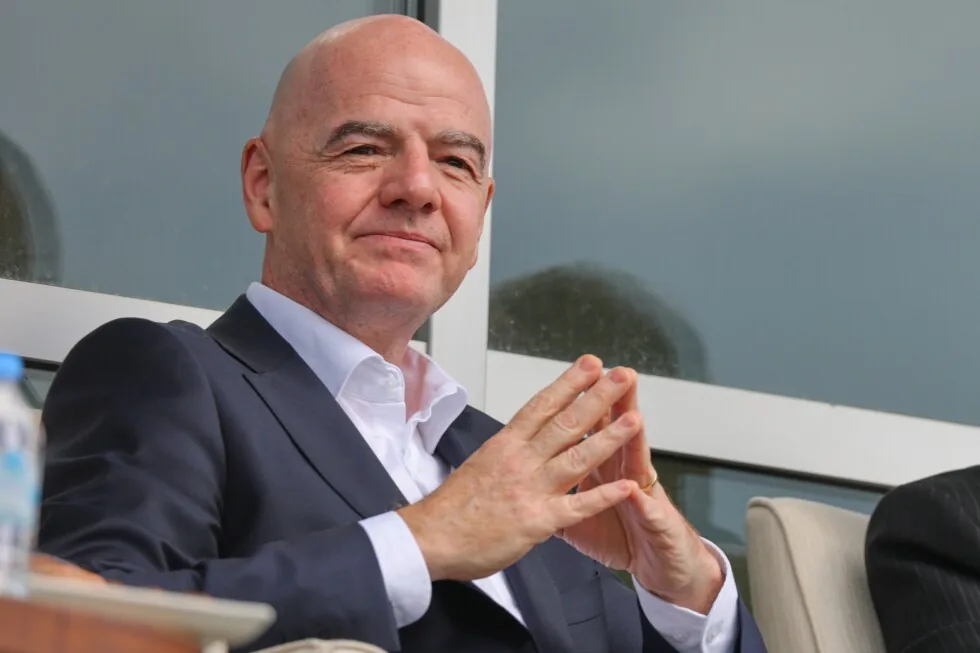
FIFA president Gianni Infantino has already said Iran will come to the World Cup for sure. He argued that the team has qualified, the players want to play, and sport should try to stay above politics where possible. That public position matters because it signals FIFA still sees Iran as part of the tournament field. It also shows the governing body is trying to project certainty while Iran keeps speaking in conditional terms.
The tension between those two positions is now one of the central facts of the story. Iran is saying the review continues. FIFA is saying participation is expected. Until one side changes its language, the uncertainty remains real even if the tournament bracket still includes Iran as planned.
What the venue issue does to the debate
The current schedule places Iran's group-stage matches in the United States, including Los Angeles and Seattle. That has made the security discussion more sensitive because it links football planning directly to the wider geopolitical climate. Iranian federation officials have also indicated that talks with FIFA have included the possibility of relocating matches to Mexico if sufficient guarantees are not in place. That is not a small logistical request. It would have major tournament implications if it moved beyond discussion.
This is why the story cannot be reduced to one quote. Iran is not only weighing whether to go. It is also weighing under what conditions its team would compete and where those matches would take place. That turns a national-team issue into a tournament-operations issue as well.
Why the uncertainty matters for the tournament
Iran have already qualified and are due to play in Group G alongside Belgium, New Zealand, and Egypt. Any doubt around one team changes the surrounding planning for travel, security, and competitive integrity. Even if Iran ultimately participates as scheduled, the review keeps the issue active at a time when teams usually want clarity. That alone makes it a significant World Cup storyline.
The uncertainty also creates pressure on FIFA's bridge-building posture. Infantino has framed participation as something that should happen because the players have earned it. Yet political conflict has a way of overriding football logic when governments decide the risk is too high. That is the gap FIFA is trying to manage.
What comes next for Iran and FIFA
The next phase is not likely to be settled by public optimism alone. Iran's internal committee and government channels now matter as much as the football calendar. If conditions improve, Iran can still move toward a normal tournament build-up. If they do not, pressure for a venue change or a more dramatic decision will grow again.
For now, the strongest reading is straightforward. Iran remain qualified, FIFA still expects them at the tournament, and the Iranian state has not given its final approval. Until one of those facts changes, the story stays open. That makes Iran one of the most politically sensitive files in the run-up to World Cup 2026.
Frequently Asked Questions
Has Iran withdrawn from World Cup 2026?
No. Iran remain qualified, but officials say participation is still under review.
Why is Iran reviewing its participation?
The government says the final decision depends on evolving security and political conditions.
What is FIFA saying about Iran?
FIFA president Gianni Infantino has publicly said Iran will participate and that the players should be able to play.
Iran are still inside the tournament picture, but the decision is no longer being treated as routine. Security concerns, venue questions, and government oversight are all shaping the file now.
That leaves FIFA with a live uncertainty it cannot close through public statements alone.
Stay tuned to FWCLive.com for the latest FIFA World Cup 2026 updates.
Read Also: Iran "Fully Prepared" to Play at 2026 FIFA World Cup