

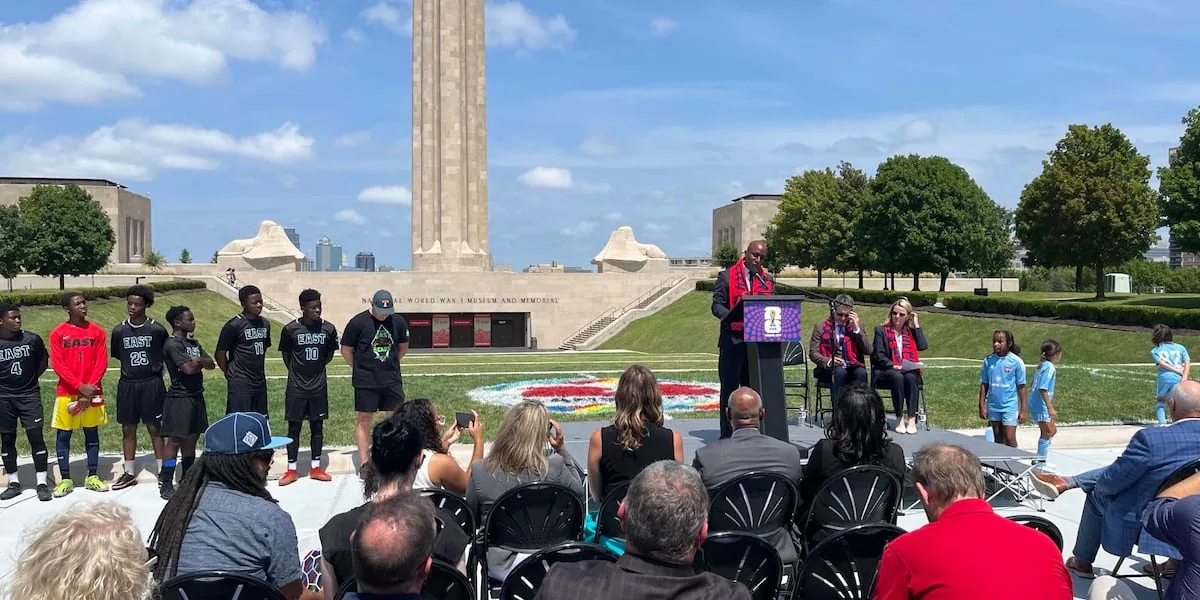
Kansas City emergency teams have run a training exercise before the FIFA Fan Festival opens for World Cup 2026. The drill was designed to test how responders will handle large public gathering pressure during the tournament. That matters because fan festivals create heavy foot traffic far from the stadium itself. For FIFA World Cup 2026 operations, the host-city footprint extends well beyond the match venue.
Why the fan festival needs its own plan
A fan festival is not just an entertainment add-on. It becomes a second operational stage for a host city because crowds gather there for long periods around screens, transport nodes, and sponsor activations. That changes the security and medical picture in ways that differ from a stadium bowl. So a dedicated emergency exercise is a sign of planning maturity rather than overreaction.
The source frames the drill as preparation for the Kansas City FIFA Fan Festival specifically, which is important on its own. Too often, public planning is described only through stadium readiness. In reality, a large open-air fan area can produce its own crowd-control, communication, and emergency-access demands. That is why the city is rehearsing those scenarios now.
What the exercise says about the city's priorities
Emergency training this close to the tournament signals a shift from planning documents to operational rehearsal. Officials are no longer only talking about what should happen. They are testing how agencies respond together when pressure is simulated in real space. That kind of joint work usually matters more than polished public messaging once crowds arrive.
It also shows that Kansas City is treating the fan environment as a serious part of its host role. World Cup matches bring the highest visibility, yet festival spaces often hold the broadest mix of visitors. Residents, tourists, families, and supporters without tickets can all gather in the same place. So the city needs a response structure that works outside the formal ticketed perimeter.
How this connects to the broader build-up
Kansas City has already been using visible moments to build tournament momentum across the city. The recent Kansas City World Cup trophy visit was one public example of that effort. The emergency drill is less celebratory, yet it matters just as much because it addresses whether those crowds can be managed safely. Readiness is not only about excitement. It is about control under pressure.
That is also why the drill belongs in the wider World Cup schedule conversation. Supporters increasingly judge a host city by how easy and secure it feels from arrival to departure. If the festival environment works well, it strengthens the city's overall tournament identity. If it struggles, the problem can overshadow events that happen elsewhere in the host footprint.
Why rehearsals matter more than promises
Public agencies often describe readiness in broad terms, but rehearsal is where gaps become visible. Communication delays, unclear chains of command, and access issues are easier to find in a drill than in a press conference. That is why the exercise itself is the important news. It suggests the city is actively stress-testing its assumptions before the real crowds arrive.
That approach is especially important for a global event. World Cup host cities face intense scrutiny because every operational weakness can spread quickly through crowd experience and media coverage. A training exercise does not guarantee flawless execution. Still, it gives the city a better chance to identify problems while there is still time to fix them.
What fans should take from the update
The main message for supporters is not alarm. It is preparation. Kansas City is treating the fan festival as a serious piece of tournament infrastructure and building its emergency response around that reality. That should make the site feel more controlled once crowds begin to gather.
For now, the update is one more sign that the city is moving from symbolic build-up into detailed operations. Fan spaces matter because they shape how many people experience the event, even when they are not inside the stadium. That is why this drill deserves attention alongside the more obvious World Cup headlines.
Frequently Asked Questions
Why did Kansas City run an emergency drill before the Fan Festival?
The exercise was designed to prepare responders for large public gatherings linked to the tournament.
Why is the Fan Festival important to host-city planning?
It can draw major crowds outside the stadium and creates its own security and medical demands.
Does this update concern the stadium only?
No. It focuses on the fan-festival environment, which is a separate part of the host-city operation.
Kansas City is now rehearsing the parts of the World Cup that happen away from the pitch. That is often where a host city proves whether it is truly prepared.
Stay tuned to FWCLive.com for the latest FIFA World Cup 2026 updates.
Read Also: Mexico Tightens Tourist-Site Security Before World Cup 2026 After Teotihuacan Shooting