
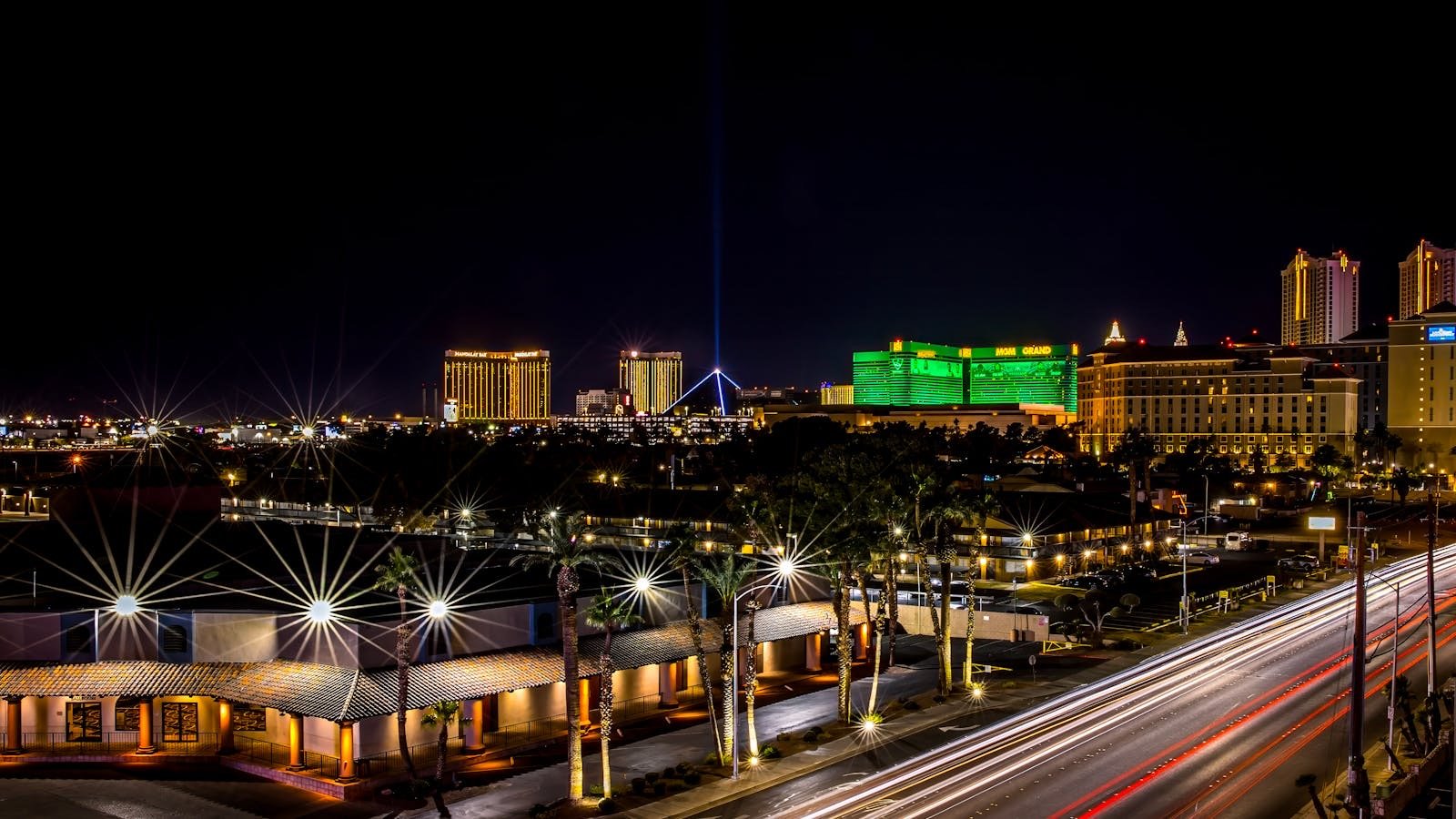
Las Vegas is planning a 50,000-seat soccer stadium even though it is not part of World Cup 2026. The city opted out of bidding after reviewing FIFA's host requirements, yet a new project shows football ambition is still growing there. That makes the story relevant beyond one city. For FIFA World Cup 2026 watchers, it suggests the tournament is shaping stadium thinking even outside the official host map.
What Las Vegas is now planning
The proposal sits inside a much larger development. Starr Vegas Development says the project is worth $10 billion and would create a multi-purpose district with a 50,000-capacity soccer stadium and a basketball arena. The site would cover 63 acres near West Star Avenue and South Las Vegas Boulevard. That scale makes it far bigger than a speculative one-building idea.
The financing headline matters too. The project says $6 billion has already been raised, which gives the plan more weight than a simple conceptual render. It also ties the stadium to a broader commercial district that includes a sportsbook and casino. In Las Vegas terms, the scheme is being built as an entertainment destination, not only a football venue.
Why the city matters even without a 2026 host role
Las Vegas is not a World Cup host city and does not even have an MLS team at the moment. That makes this stadium story interesting because it is arriving without the direct guarantee of tournament matches. The city is effectively betting that football demand in the United States will stay strong enough to justify a major new venue anyway. That is a bigger signal than one bid result from the past.
The sporting direction of the city helps explain the confidence. Las Vegas has already pulled in Formula 1, the Super Bowl, the NFL, the WNBA and major construction around other leagues, while an NBA franchise is also widely expected. Soccer now looks like the next space where the city wants to prove it can think at national-event scale.
How World Cup 2026 still influences the story
Even without hosting rights, the 2026 tournament changes how football projects are judged in the U.S. Investors, cities and leagues can now point to a much bigger national audience for the sport than they could a decade ago. That does not mean every new stadium owes its existence to the World Cup. It does mean the tournament has widened the market for football infrastructure conversations.
Las Vegas fits that trend well. The city watched the host process from the outside, decided against bidding, and is now returning with its own football venue logic. That sequence matters because it shows how the tournament can still influence cities that are not formally involved. The World Cup era creates ambition beyond the final 16 venues.
What would still need to happen next
A large project is still only a proposal until construction, approvals and anchor commitments line up. Las Vegas would still need to turn the soccer stadium from development language into a credible event plan with a long-term tenant or calendar. That is especially true in a city already crowded with major sports and entertainment bets.
Still, the announcement itself has value. It shows that football growth in the United States is being read as durable enough to support serious venue talk outside the official World Cup host cities. The host list may be closed, but the stadium effect is still spreading. Las Vegas is trying to position itself inside that second wave.
That gives the proposal a second layer of relevance. It is not merely a local real-estate story. It is another sign that investors think football can support premium infrastructure in markets that still sit outside MLS and outside the World Cup itself.
Frequently Asked Questions
Is Las Vegas a World Cup 2026 host city?
No. Las Vegas chose not to pursue hosting after reviewing FIFA’s requirements.
What size stadium is being planned?
The proposal includes a 50,000-capacity soccer stadium.
Who is behind the project?
The development is being led by Starr Vegas Development as part of a larger multi-purpose district.
Why does this matter to World Cup 2026 coverage?
Because it shows how the tournament is influencing football infrastructure ambitions even outside the official host map.
Conclusion
Las Vegas missed the World Cup, but it has not missed the signal the tournament sends about football's growth in North America. That is why this stadium plan matters even without a 2026 match attached to it.
Stay tuned to FWCLive.com for the latest FIFA World Cup 2026 updates.