
Malaysia World Cup 2026 broadcasters are now confirmed. So the local rights picture looks far clearer than it did a week ago. Malaysia has locked in RTM and Unifi TV for FIFA World Cup 2026 coverage. That matters because legal access was still a live question in several Asian markets. Now Malaysian fans have named platforms, a funding commitment, and a public-access promise before kickoff.
What Malaysia Has Confirmed
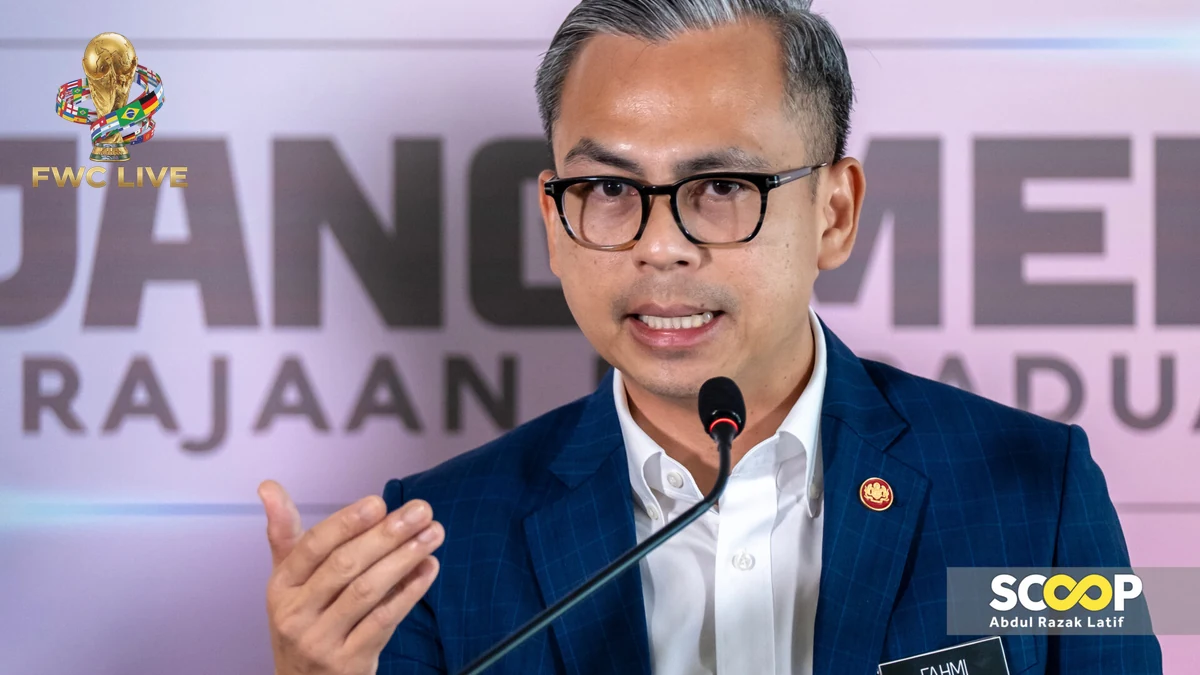
The central update is straightforward. Communications minister Fahmi Fadzil has confirmed RTM and Unifi TV as the official Malaysian broadcasters for the tournament. Scoop also reported a RM24 million government allocation behind the rollout. So this is not only a rights label. It is a funded national distribution plan.
Fahmi also put the public-access message on the record. He said, “The government is committed to ensuring that all Malaysians can enjoy the FIFA World Cup 2026 in an inclusive, legitimate and comprehensive manner.” That wording matters. It frames the deal around reach, not only platform ownership. Malaysia is trying to avoid a late scramble for viewing clarity.
The split between the two platforms is also important. Fahmi said, “full coverage of all 104 matches will be broadcast live on Unifi TV.” RTM will still carry most matches. Some games will be live, while others will be delayed. RTM Klik and Unifi TV will extend that access online. As a result, the package looks built for television households and streaming users together.
Why The Platform Split Matters
A 104-match tournament creates a scheduling problem for any broadcaster. One outlet can carry the whole event more easily when it controls a digital product and a premium channel tier. Yet national relevance often depends on wider access. Malaysia now appears to be using Unifi TV for full-match completeness and RTM for public reach. That is a more practical model than forcing one network to do everything alone.
This also separates Malaysia from the unresolved India and China TV rights story. Malaysia has now moved into the certainty group. Two far bigger markets are still negotiating. That contrast matters because fans notice timing. A confirmed plan gives producers more room to prepare studio shows, promotions, and local-language presentation.
There is also a political layer here. The government is tying the broadcast move to inclusiveness and public engagement, not only to commercial return. That makes the rights deal a public-service story as well as a sports-media story. Even so, the real test will come when match windows overlap. Viewers will then choose between free access and full live choice.
What Fans Should Watch Next
The next useful detail is the exact match split on RTM. Unifi TV has the cleanest promise because all 104 games are expected there live. RTM still needs a clearer public match map. Casual viewers need to know where the biggest fixtures will land. That should become a key part of local broadcasting coverage over the next few weeks.
Supporters should also watch how public viewing events are handled. Fahmi said selected locations will host modest screenings. That suggests the government wants community reach beyond home viewing. That matters in a long tournament. Fan culture grows when public viewing and live TV work together.
The bigger point is that Malaysia now has a settled route into the tournament. In business terms, that gives advertisers and producers time to prepare. In fan terms, it removes the basic rights uncertainty. That may sound simple. Yet it is still more progress than the India and China TV rights story can currently offer.
Frequently Asked Questions
What changed with Malaysia World Cup 2026 broadcasters?
Malaysia has confirmed RTM and Unifi TV as its World Cup 2026 broadcasters, with a government-backed plan to widen legal access.
Why is Malaysia World Cup 2026 broadcasters important now?
Malaysia World Cup 2026 broadcasters are now confirmed. So the local rights picture looks far clearer than it did a week ago.
What should fans watch next on Malaysia World Cup 2026 broadcasters?
The central update is straightforward. Communications minister Fahmi Fadzil has confirmed RTM and Unifi TV as the official Malaysian broadcasters for the tournament.
Malaysia has moved early enough to give its viewers real clarity before the tournament rush peaks.
RTM brings reach, Unifi TV brings full live depth, and the rights picture now looks stable heading into kickoff.
Stay tuned to FWCLive.com for the latest FIFA World Cup 2026 updates.
Read Also: Peter Schmeichel Returns To FOX Sports For World Cup 2026