

FIFA says the $100 NJ Transit fare to MetLife Stadium will have a chilling effect on fans during World Cup 2026. The new warning sharpens the dispute over transport costs around one of the tournament's biggest venues. It also shows that the issue is no longer only about price, but about how supporters will move on the day. For the New York New Jersey host city, that turns public transport into one of the most sensitive planning questions before kickoff.
What FIFA is objecting to
The core FIFA complaint is direct. Heimo Schirgi, identified in the report as a FIFA official and tournament CEO, said the current NJ Transit pricing model would have a chilling effect on supporters using public transport. He added that the tournament wants to minimise congestion, reduce reliance on private vehicles, and keep the fan experience focused on the football rather than on road delays. That wording makes the fare issue part of tournament operations rather than a simple customer complaint.
FIFA also argued that elevated fares could push supporters toward other transport options. In practical terms, that means more pressure on roads, a higher risk of late arrivals, and weaker matchday flow around the stadium. The governing body is effectively saying that high rail prices can create costs elsewhere even if the ticket itself helps cover transport spending. That is why the warning carries more weight than a normal disagreement over pricing.
Why the New Jersey dispute is getting sharper
The latest trigger was NJ Transit's decision to set the train commute from New York to MetLife Stadium at $100. New Jersey Governor Mikie Sherrill then said FIFA should subsidise public transport. FIFA has rejected that position and said it is unprecedented to demand that a tournament promoter absorb those costs in this way. The gap between both sides is now clear, and neither side appears ready to soften its stance yet.
Schirgi also pushed back on the wider financial criticism around the tournament. He said FIFA is projected to generate about $11 billion in revenue, not profit, and repeated that the organisation is structured as a not-for-profit body. At the same time, New Jersey officials say NJ Transit faces a $48 million bill and that FIFA is not providing transport funding. That leaves supporters watching a public dispute while trying to plan how they will actually reach the matches.
Why MetLife Stadium is under the strongest spotlight
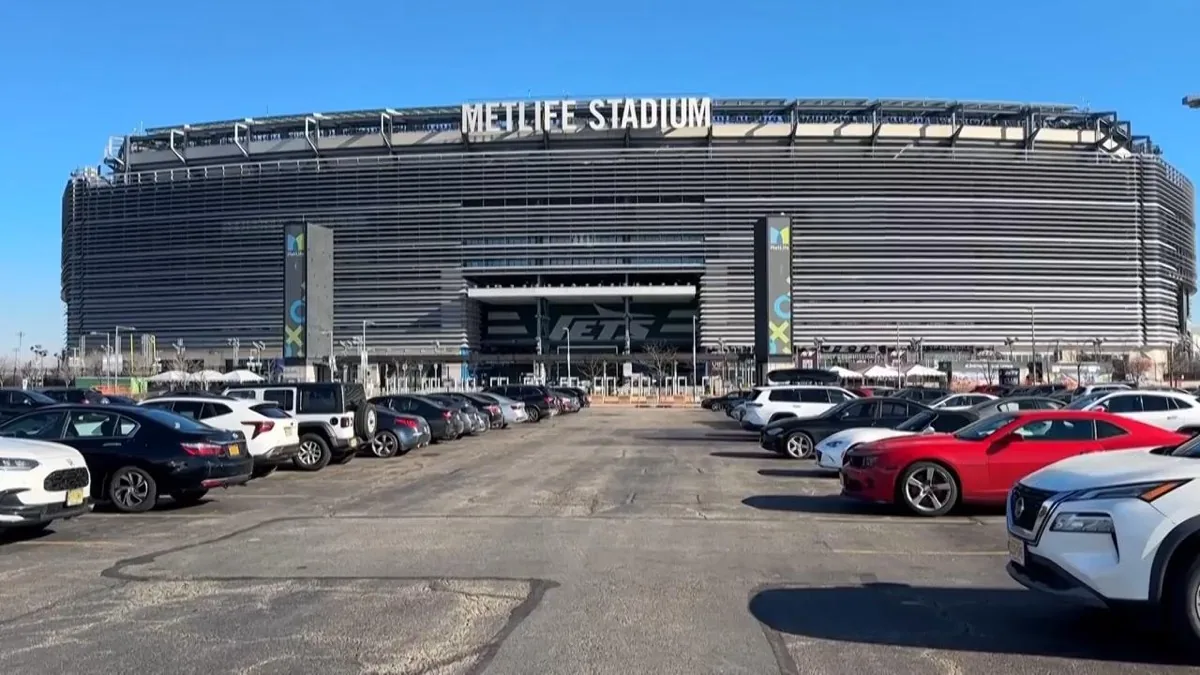
The transport row matters more because MetLife Stadium is not a minor venue on the schedule. The stadium is set to host eight matches, including the World Cup final on July 19. Any travel issue attached to that venue will carry more visibility than the same issue at a lower-profile site. For FIFA, congestion or poor fan access around the final venue would become a tournament-wide image problem very quickly.
The latest report also shows that MetLife is not the only host venue where public transport costs are drawing attention. It says train fares to Gillette Stadium in Foxborough, outside Boston, will cost $80. Even so, the MetLife number is still the headline because of the venue's scale and its role in the closing stretch of the tournament. Readers tracking the MetLife Stadium file and the New York New Jersey host city planning story will understand why this one keeps returning.
What fans should take from the warning
The clearest lesson is that transport to MetLife cannot be treated as a routine add-on. Even before final event instructions are settled, the public fight over rail pricing is already shaping the fan experience. Supporters will need to budget carefully, watch for further updates, and avoid assuming that standard local travel patterns will fit a World Cup crowd. The issue now sits beside ticket prices and hotel costs in the same planning conversation.
For now, FIFA has not announced a solution and New Jersey officials have not backed away from the pricing logic. That means uncertainty remains, even if the warning itself is clear. The earlier MetLife Stadium train fares covered the initial price shock. This new phase matters because FIFA is now publicly arguing that the fare could damage crowd flow and the overall tournament experience across the World Cup schedule.
Frequently Asked Questions
What is the MetLife train price chilling effect warning?
It is FIFA's warning that the $100 NJ Transit fare to MetLife Stadium could discourage public transport use and harm the fan experience.
Who said the fare would have a chilling effect?
The report attributes that warning to FIFA official and tournament CEO Heimo Schirgi.
How much is the NJ Transit fare to MetLife Stadium?
The current figure cited in the report is $100 for the train commute from New York to MetLife Stadium.
How many World Cup matches will MetLife Stadium host?
MetLife Stadium is set to host eight matches, including the World Cup final on July 19.
Has FIFA agreed to subsidise New Jersey transport costs?
No. FIFA rejected that demand in the latest exchange described in the report.
The MetLife fare row has moved beyond sticker shock. FIFA is now arguing that the price could directly weaken public transport use and create wider matchday problems.
That makes the dispute more serious than a normal cost complaint. It is now part of how one of the tournament's biggest venues will be judged before the first ball is kicked.
Follow FWCLive.com for more verified <a href="/">FIFA World Cup 2026</a> transport and host-city planning coverage.
Stay tuned to FWCLive.com for the latest FIFA World Cup 2026 updates.