

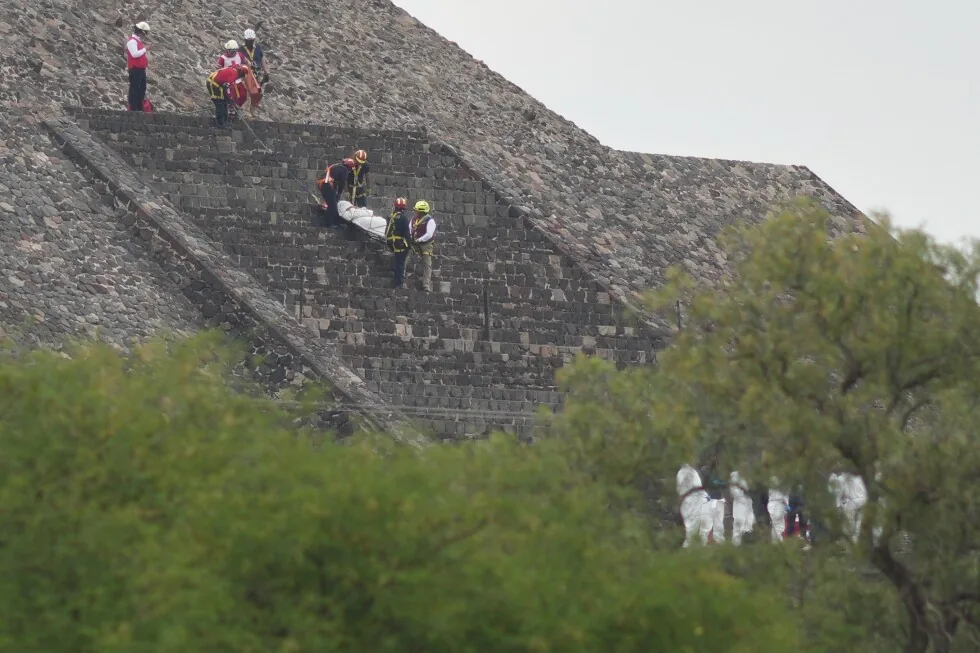
Mexico's World Cup 2026 security picture is under sharper scrutiny after the deadly shooting at Teotihuacan. A gunman opened fire on tourists at the historic site north of Mexico City, killing a Canadian and injuring at least 13 other people. The attack did not take place at a World Cup venue. It still lands at a sensitive moment for one of the tournament's three host nations.
What happened at Teotihuacan
Authorities said the attacker fired from one of the pyramids while tourists were on the site. The assailant was later identified as 27-year-old Julio Cesar Jasso, and officials said he died from a self-inflicted gunshot wound. State authorities also said a gun, a knife, and ammunition were recovered. Seven people were reported wounded by gunfire, while others were injured during the panic that followed.
The list of injured underlined how international the location is. Officials said those taken for treatment included visitors from the United States, Colombia, Russia, Brazil, and Canada. The youngest injured person was six years old and the oldest was sixty-one. That matters because Teotihuacan is one of Mexico's most visible tourist destinations, not an isolated local site.
Why the attack matters beyond the site itself
Teotihuacan is not part of the World Cup venue map, and there is no evidence linking the attack to the tournament. That distinction matters and should stay clear. Even so, incidents at major public landmarks inevitably influence the wider conversation around safety, crowd control, and emergency response. Mexico is already under international focus as it prepares to co-host the biggest World Cup in history.
The archaeological zone drew more than 1.8 million international visitors last year, according to government figures. That makes it a high-profile symbol of Mexico's tourism economy as well as its cultural identity. When violence hits a place like that, the story quickly moves beyond one crime scene. It starts raising broader questions about readiness in a country about to welcome huge traveling crowds.
What this means for host-nation planning
Mexico already has to manage a complex host role across multiple cities and matchdays. The tournament will bring large fan movements, transport pressure, and intense global attention to public safety arrangements. Because of that, authorities cannot treat incidents at major tourist locations as separate from the international image challenge. Security planning for a World Cup is not only about the stadium perimeter.
Host-nation credibility depends on how clearly officials show they can respond to shocks. That includes policing, medical coordination, tourist protection, and communication under pressure. A single attack does not define the entire host environment. Yet it does increase the importance of proving that security plans are detailed enough for both match venues and wider public spaces.
Why Mexico's tourism profile raises the stakes
World Cup visitors do not stay inside stadium zones. They move through airports, hotels, heritage sites, restaurants, transport corridors, and city centers. Mexico's appeal as a host is tied to that broader travel experience, not only to the football itself. So any attack on a globally recognized destination naturally affects how outsiders discuss risk.
That does not mean tournament alarm should replace fact. Teotihuacan is a separate site and the victims were tourists, not football delegations. Still, the closer the tournament gets, the more every major security incident is judged through a host-country lens. Mexico now has to manage that perception as carefully as the policing response itself.
The real test before kickoff
The immediate investigation will focus on the attacker, the site response, and how the casualties unfolded. The broader World Cup lesson sits elsewhere. Mexico has to show that its public-safety planning can withstand external scrutiny during a period when the tournament is drawing constant international attention. That burden now feels heavier than it did a week ago.
A host nation cannot stop every act of violence before it begins. What it can do is show strong prevention, fast response, and confidence in high-traffic public environments. That is the standard Mexico will keep being measured against. The Teotihuacan shooting has made that measurement more intense.
Frequently Asked Questions
Did the Teotihuacan shooting happen at a World Cup venue?
No. The attack happened at the Teotihuacan archaeological site north of Mexico City, not at a tournament stadium.
Why is this incident relevant to World Cup 2026?
Mexico is one of the host nations, so a major attack at a high-profile tourist site increases scrutiny around broader security planning.
How many people were hurt in the attack?
Authorities said one Canadian was killed and at least 13 other people were injured.
The Teotihuacan attack was not a World Cup incident, but it has still changed the surrounding conversation. Mexico now faces sharper attention on how it protects visitors in the final stretch before kickoff.
That puts even more weight on public-safety planning beyond the stadium gates.
Stay tuned to FWCLive.com for the latest FIFA World Cup 2026 updates.
Read Also: Mexico Tightens Tourist-Site Security Before World Cup 2026 After Teotihuacan Shooting