
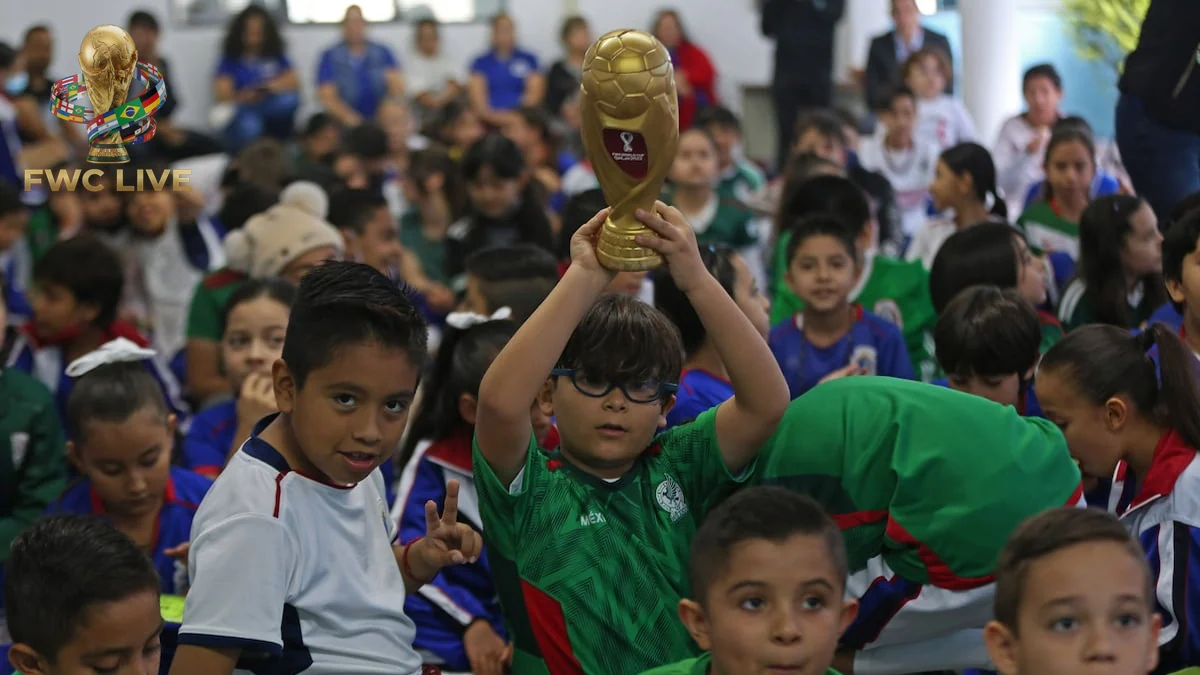
The Mexico World Cup 2026 school calendar has changed in a way that reaches far beyond football. Mexico's education ministry now plans to end the current school year on June 5 instead of mid-July. Officials tied the move to the summer heat and to the June tournament window. That gives the change direct World Cup 2026 relevance, not just local calendar value.
The shift affects public and private schools at basic and upper-secondary level across the country. That means preschool, primary, secondary, and high-school students are all inside the same adjustment. The number is huge, so the story matters well beyond the three Mexican host cities. It also lands close enough to kickoff that families now have little time to reset summer plans.
What Mexico Actually Changed
The current school period had been set to run for 185 teaching days. It started on September 1, 2025 and had been due to finish on July 15, 2026. The revised plan now ends classes on June 5 and brings students back on August 31 for the next school period. That is more than a month of class time removed from the original finish line.
Mexico presented the change as part of a wider response to high temperatures and the June World Cup window. That combination is what has made the announcement so visible. Heat alone has not previously triggered a national school-calendar cut of this scale. So the football element has become impossible to separate from the education decision.
The timing also connects naturally with the Mexico City part of the tournament build-up. Once schools close earlier, daily transport patterns, family routines, and local planning all change. That matters in a country that will carry major World Cup attention from the opener onward. The Mexico national team will not be the only part of the event affecting public life.
Why Heat And Football Were Put In The Same Decision
Officials linked the calendar revision to an extraordinary heat spell and to the demands of the tournament period. That pairing is politically important. It allows the change to be presented as both a welfare decision and an event-management step. Yet it also opens the ministry to criticism from families who see the World Cup as the real driver.
That criticism matters because a nationwide calendar shift is not a light operational tweak. Parents set work schedules around school dates. Teachers build teaching plans around the official finish line. Once that date moves by more than a month, the effect reaches households, labor planning, and classroom delivery at the same time.
The football link is easy to understand. Mexico will host matches from the start of the tournament, and the World Cup schedule begins on June 11. An earlier school exit reduces pressure on transport, family coordination, and extreme-heat concerns in the same month. Even so, the decision carries a cost if students lose structured learning time right before the break.
Why The Pushback Matters Before Kickoff
Teachers and parents have pushed back because they were not part of the decision process. That response is not background noise. It tells us the move may remain politically sensitive even if the operational logic is clear. A change of this size can turn into a broader debate about how far World Cup planning should reach into daily life.
The deeper point is that Mexico is entering the final tournament run with real public trade-offs on the table. Ticketing, transport, security, and tourism usually dominate the discussion. School calendars show that the event is now affecting basic civic routines too. That makes the World Cup feel more immediate for ordinary families, including many who may never attend a match.
This is also a reminder that major events are judged on disruption as much as spectacle. If the change reduces heat stress and June pressure, officials will argue that the decision worked. If families and teachers feel rushed, the criticism will stay alive through opening week. Either way, the Mexico World Cup 2026 school calendar story has moved from policy detail to national build-up issue.
Frequently Asked Questions
What changed in the Mexico World Cup 2026 school calendar?
Mexico now plans to end the current school year on June 5 instead of July 15, with classes due back on August 31.
Why was the Mexico World Cup 2026 school calendar moved?
Officials tied the change to extreme summer heat and to the June World Cup period in Mexico.
Who is affected by the Mexico World Cup 2026 school calendar shift?
The adjustment affects public and private schools at basic and upper-secondary level across the country.
When does World Cup 2026 begin after the Mexico school change?
The tournament opens on June 11, so the revised school finish now comes just days before kickoff.
Mexico has turned a school-calendar decision into part of its World Cup build-up. The dates now show how closely tournament planning is touching everyday life.
The next question is practical, not symbolic. Families and schools now need to absorb a faster finish while the country moves toward kickoff.
Stay tuned to FWCLive.com for the latest FIFA World Cup 2026 updates.
Read Also: Alphonso Davies World Cup 2026 Injury Setback Puts Canada On Alert