

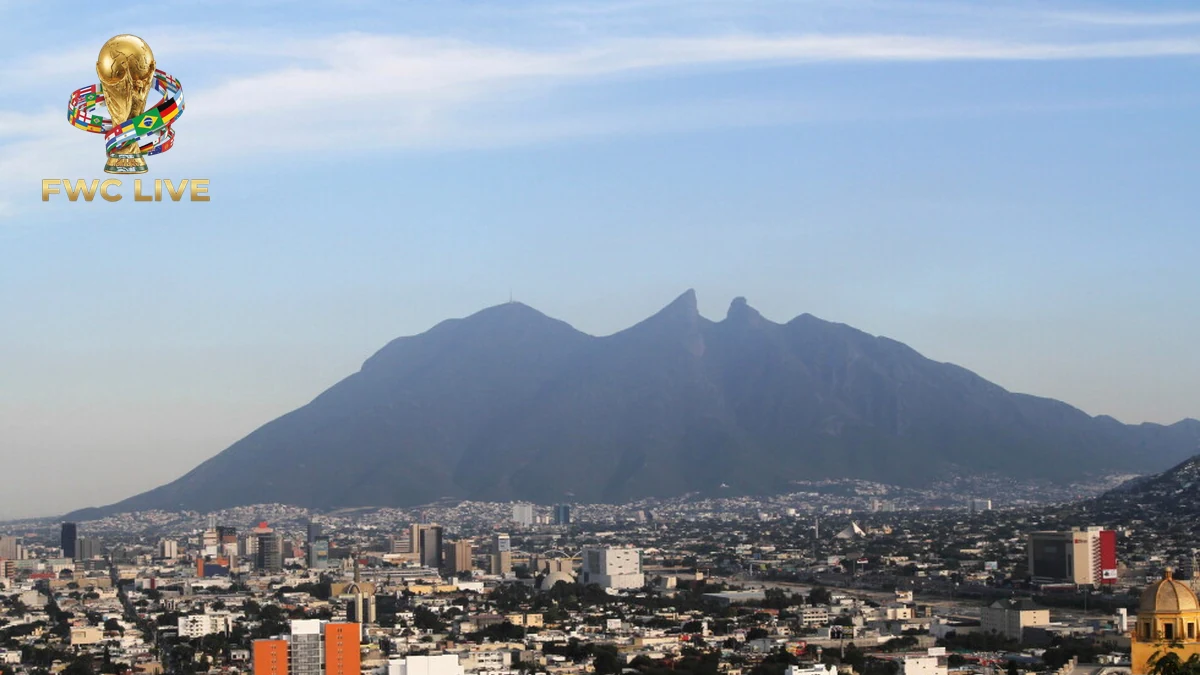
A Monterrey World Cup 2026 guide now needs to start with two realities at once: elite stadium quality and punishing heat. Fresh host-city coverage has pushed Monterrey forward as one of the most demanding and memorable tournament stops, pairing the modern Estadio BBVA with intense weather and a food culture built around carne asada. That matters because not every World Cup trip will test fans in the same way. Inside FIFA World Cup 2026 planning, Monterrey looks like one of the clearest cities where local conditions could shape the experience as much as the football.
The city has long football roots, but the latest host-city angle adds sharper travel value. Fans are being told what kind of environment to expect, not only what landmark to photograph. That gives Monterrey a stronger practical identity than many generic host-city roundups manage.
Why Monterrey Feels Different
Estadio BBVA gives Monterrey one of the strongest stadium packages in the tournament, yet the climate changes how supporters will experience it. Heat is not a side detail here. It affects arrival plans, hydration, clothing choices and the general pace of a matchday outside the ground.
That is part of why the city stands out. A great stadium alone does not make a host city distinctive, but a strong venue paired with harsh summer conditions and a defined local football culture does exactly that.
What Fans Should Plan Around
Supporters heading to Monterrey need to treat weather planning as seriously as tickets and transport. Earlier movement, shade awareness and looser matchday timing should matter more here than in cooler host markets. The Monterrey host city picture is much easier to enjoy if fans plan for the climate instead of reacting to it late.
Food is the other obvious part of the city's identity. Carne asada is not just a travel cliché in this case. It is one of the ways Monterrey will feel locally grounded rather than tournament-neutral.
Why Monterrey Could Become A Fan Favorite
Hard trips often become memorable trips, especially when the stadium quality is high enough to justify the effort. Monterrey looks built for that kind of reputation. Fans may not describe it as the easiest stop, but many could end up calling it one of the most vivid.
That is what makes this host-city angle useful. It tells supporters what kind of World Cup city Monterrey actually is: modern, intense and unapologetically local.
Frequently Asked Questions
Why is Monterrey getting extra attention before World Cup 2026?
Because it combines a top-class stadium, strong football culture and intense summer heat in one host-city experience.
What stadium will host World Cup matches in Monterrey?
Monterrey's World Cup matches will be staged at Estadio BBVA.
Is heat a serious issue for fans in Monterrey?
Yes, heat is being highlighted as one of the key practical factors for supporters visiting the city.
What local food is most associated with Monterrey?
Carne asada is one of the city's most recognizable food references in World Cup travel coverage.
Where should fans start planning their Monterrey trip?
The strongest starting point is understanding the city environment first, especially weather and stadium access.
Monterrey is not being sold as a soft, easy World Cup stop. It is being defined by intensity, venue quality and local identity. That combination could make it one of the tournament's most memorable cities for traveling supporters.
Stay tuned to FWCLive.com for the latest FIFA World Cup 2026 updates.
Read Also: Uzbekistan Confirm Atlanta Base Camp For World Cup 2026