

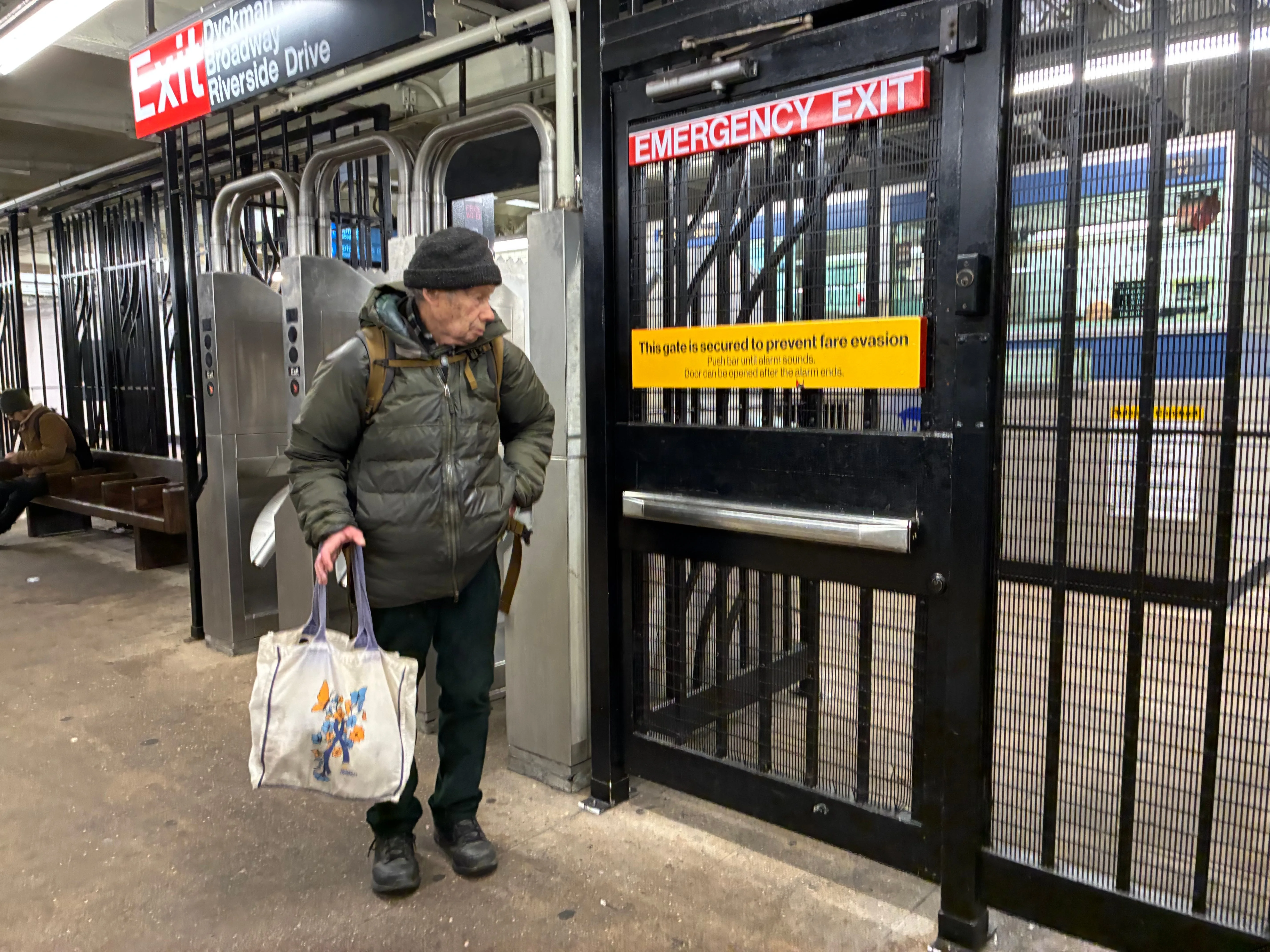
The New York MTA World Cup 2026 commute warning is getting louder as matchdays draw closer. Officials expect more than 1.2 million fans in the region, and that means daily travel inside New York City will feel the pressure even though the games are across the river in New Jersey. The tournament is not just a stadium issue for local commuters. For FIFA World Cup 2026 planning, the wider regional rail and subway system is now part of the event footprint.
Why the MTA is part of the story
MetLife Stadium will host eight matches, yet many supporters will still move through New York City to reach them. The source says riders across all five boroughs should expect disruption because many visitors will use MTA services to reach Penn Station before connecting onward. That makes the subway and city rail network part of the matchday chain rather than a separate local issue. In effect, New York is sharing the transport burden even without staging the games itself.
That regional overlap changes the commuter picture. Normal riders are not only competing with tourists inside one corridor. They are competing with the flow created by a month-long global event. So the pressure on MTA lines must be viewed as part of the World Cup schedule, not as random summer congestion.
What is driving the warning
The strongest pressure point remains the route toward Penn Station. The source says NJ Transit is expected to be one of the main carriers to the stadium, which means many supporters will first rely on the MTA to reach that hub. Once that pattern is layered onto regular commuting, central stations become vulnerable to sustained crowding. That is why the commute warning extends far beyond the immediate stadium perimeter.
The report also notes that parts of Penn Station will be closed for hours before certain matches, with some areas restricted to World Cup ticket holders. That raises the stakes because any reduction in flexibility at a major interchange can ripple back into the rest of the network. When access points tighten, even riders not headed to a match can feel the effect.
Why this angle is different from the stadium fare story
A lot of earlier attention focused on special rail fares to MetLife Stadium. That remains a real issue, but the new warning broadens the lens. This is not only about what it costs to reach the venue. It is about how day-to-day MTA travel could be affected for people who are not going to a match at all. That makes the story more immediate for local residents.
It also matters because the tournament footprint stretches across time as well as geography. The games will be in the region for more than a month, so the commuting effect is not limited to one isolated weekend. A city that absorbs fan movement over several weeks needs more than event-day messaging. It needs a commuter plan that can keep pace with repeated demand spikes.
What commuters should expect next
The practical expectation is simple: Midtown corridors and Penn Station approaches will likely carry the most obvious stress. Commuters should also expect more variable patterns because event crowds rarely move with the same rhythm as office traffic. That can make timing less predictable even when service technically remains available. In other words, the strain may be felt through uncertainty as much as through pure crowd volume.
For now, the update reinforces a basic truth about the host city. New York and New Jersey will function as one combined transport system in the public eye once the tournament starts. That is why the MTA warning matters. It turns an event many people associate with a stadium into a broader citywide commute issue.
Why the regional lens matters most
The strongest lesson from the latest warning is that host-city planning has to be read regionally. The match venue may sit in East Rutherford, yet a huge share of supporter movement will still pass through New York. That means MTA riders will live with a tournament impact created outside the city itself. The event only works if regional systems absorb that spillover cleanly.
So the commute story deserves its own attention, even alongside bigger headlines about tickets and stadium access. Fans will remember whether the journey felt manageable, and residents will remember whether their daily routes stayed functional. Those two tests will shape how prepared the region looks once the world arrives.
Frequently Asked Questions
Why could the MTA be affected by the World Cup if matches are in New Jersey?
Many supporters are expected to use MTA services to reach Penn Station before connecting toward MetLife Stadium.
How many fans are expected in the region?
The source says more than 1.2 million fans are expected in the area for the games.
What station area is most likely to feel pressure?
Penn Station and its surrounding approach routes are presented as major pressure points.
The New York commute story is no longer separate from the tournament story. Once the matches begin, everyday MTA riders will be living inside the same transport system that World Cup fans depend on.
Stay tuned to FWCLive.com for the latest FIFA World Cup 2026 updates.
Read Also: New York World Cup 2026 subway stations brace for heavy matchday pressure