

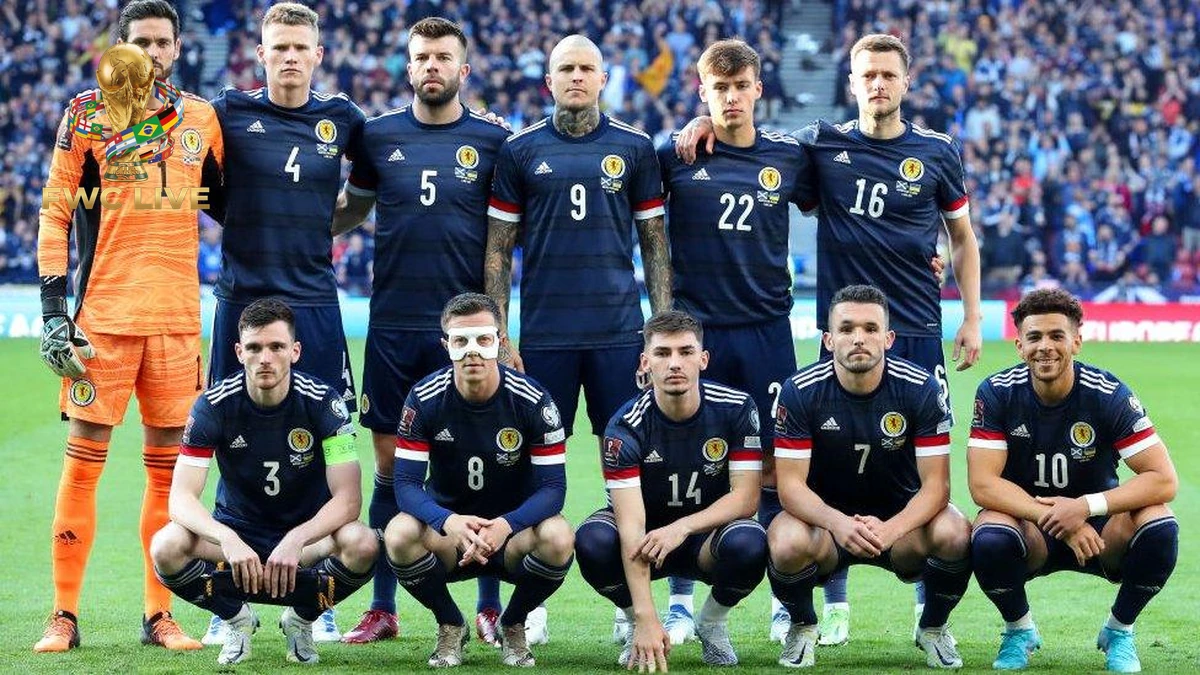
The Scotland World Cup 2026 return now feels like more than a sentimental comeback story. Scotland have not reached the finals since 1998, so the first reaction was always going to be emotional. Yet the football angle is now stronger than the nostalgia angle. Steve Clarke's team arrive with better structure, clearer identity and a real belief that the group stage does not have to be the end of the journey.
Why Scotland's Return Matters Now
Scotland ended a long absence by qualifying for the biggest tournament in the sport, and that alone changes the feel around the national side. A whole generation grew up without seeing the team at a World Cup. That is why qualification landed as a national moment rather than a normal tournament ticket. The emotional release was huge, but it also reflected how much steadier Scotland have become under Clarke.
The deeper shift is competitive rather than symbolic. Scotland no longer look like a side hoping to hang on for one result. They have become tougher to play against and more consistent across long qualifying stretches. That change gives the squad a different kind of credibility before the FIFA World Cup 2026 begins. Supporters are excited because Scotland are back, but they are also excited because this group looks better equipped than some of the older teams that came before it.
What The Group Stage Could Demand
The reported path puts Scotland against Haiti on June 14, Morocco on June 20 and Brazil on June 25. That order matters. Early points against Haiti and Morocco would shape everything before the final group game. If Scotland are still alive when Brazil arrive, the pressure flips from dream to genuine opportunity. That is the kind of tournament arc Scotland have rarely been able to imagine in recent decades.
This is where the FIFA World Cup 2026 match schedule becomes central to their hopes. Group balance can be defined as much by timing as by talent. Scotland need to avoid opening the tournament slowly, because the group contains opponents who can punish hesitation. Yet there is also a path here. Morocco are disciplined, Brazil are elite, but neither game becomes irrelevant if Scotland take care of the opening phase well enough.
Why Steve Clarke's Team Feels Different
Clarke has given Scotland something they badly needed: tactical order with emotional discipline. His side have shown they can manage games, absorb difficult spells and still stay connected to their own plan. That may sound basic, but it was often missing in older campaigns. The present group looks more mature under pressure, and that is one reason the return feels sustainable rather than accidental.
There is also a wider tournament value in simply being battle ready. Scotland have already been through hard qualification moments and know how to carry tension across multiple windows. So this is not only a story about ending 24 years of waiting. It is also a story about what happens after the wait ends. Scotland now have the chance to turn a return into a proper World Cup chapter instead of a brief appearance.
There is also a psychological edge to simply arriving after such a long absence. Teams returning from a decades-long gap can either freeze under the weight of the occasion or use the release to sharpen their first performances. Scotland look more likely to do the second because this squad has already handled expectation better than earlier generations. That gives the campaign a chance to become something more than a symbolic return if the opening week goes well.
Frequently Asked Questions
What changed with Scotland World Cup 2026 return?
Scotland are back at the World Cup after a long wait, and the new debate is no longer about qualifying.
Why is Scotland World Cup 2026 return important now?
The Scotland World Cup 2026 return now feels like more than a sentimental comeback story. Scotland have not reached the finals since 1998, so the first reaction was always going to be emotional.
What should fans watch next on Scotland World Cup 2026 return?
Scotland ended a long absence by qualifying for the biggest tournament in the sport, and that alone changes the feel around the national side.
Scotland are back, but the stronger point is that they look built to compete once they arrive. That turns the 2026 campaign from a memory piece into a live tournament story.
Stay tuned to FWCLive.com for the latest FIFA World Cup 2026 updates.
Read Also: Panama Lock In Canada Base Camp For World Cup 2026