

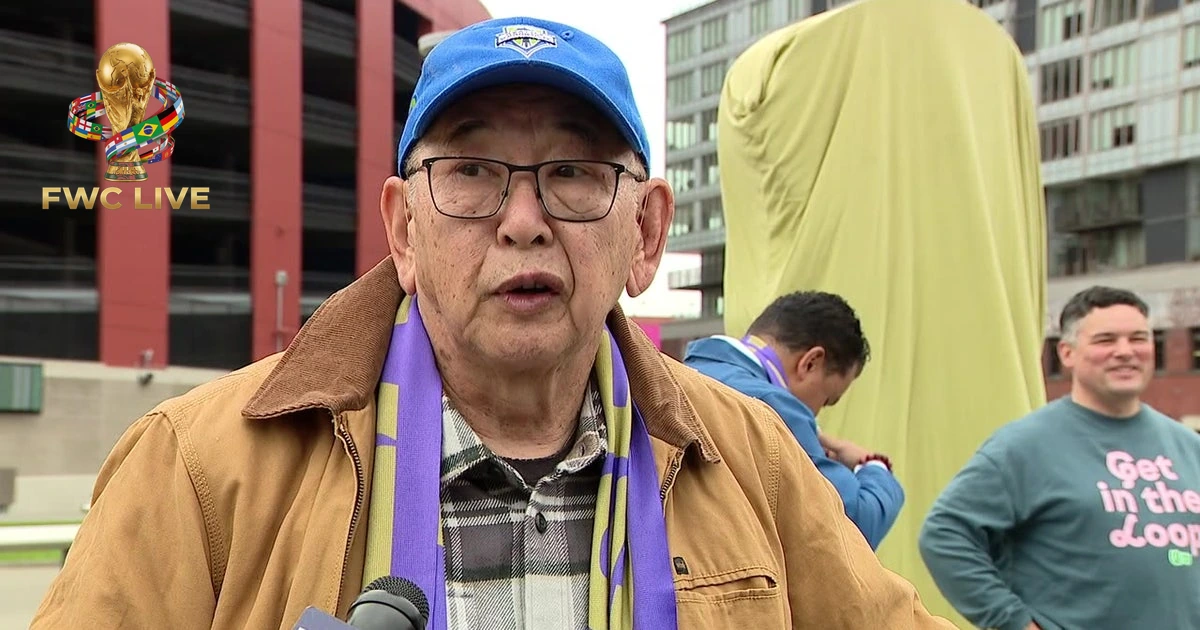
The Seattle World Cup 2026 Vital Spirit sculpture has given the host city a fresh public symbol just weeks before the tournament begins. A new nine-foot bronze piece now stands outside Lumen Field, adding a visible civic marker to Seattle's build-up. The timing matters because host cities are now moving from planning language into public presentation. For World Cup 2026, Seattle has chosen to lead with local identity as much as logistics.
What Seattle has unveiled before the tournament
The work is called Vital Spirit and it was unveiled on April 27 as a new permanent feature outside the stadium. The bronze sculpture was created by Gerard Tsutakawa and presented as a tribute to the people who will shape the tournament experience in Seattle, from players and coaches to supporters and the wider community.
That idea matters because public art can often feel decorative when it arrives next to a major sporting event. Seattle has tried a different approach. Instead of using a generic tournament prop, the city has added a piece that is intended to stay part of the venue area long after the final whistle.
Why Lumen Field is the right setting for a civic symbol
The location is doing real work here. Lumen Field is already one of the strongest football environments in the United States, so adding a permanent sculpture outside the ground gives the venue a new meeting point and a stronger visual signature before fans even enter the gates.
That is useful because a host city needs more than a schedule. It needs recognizable places, ritual points and small details that make the tournament feel rooted in the city. A sculpture outside the main venue can become part of the memory pattern for visitors, especially when it is tied directly to the host identity.
The message behind Vital Spirit
Tsutakawa's explanation was simple and effective. He framed the work around human spirit and shared energy, which fits the kind of tournament Seattle wants to project. The city does not need to invent a football culture from zero, yet it still needs a public language that feels local rather than imported.
That is why the sculpture works as more than branding. It suggests that Seattle wants the World Cup to feel connected to neighborhood pride, civic culture and creative identity. Those signals matter because host cities are now competing not only on operations, but also on atmosphere.
How this fits Seattle's wider World Cup presentation
Seattle has already been leaning on its reputation for strong matchday energy, supporter culture and stadium intensity. A new public artwork deepens that picture because it gives the city something tangible to point to when describing its character to international visitors.
It also helps the Seattle host story feel more complete. Transport plans, fan information and venue operations are essential, yet public-facing moments often shape how a city is remembered. A visible landmark outside the stadium can carry more emotional weight than another technical update.
What comes next for the host city
The sculpture itself does not change match operations, but it does change tone. It tells supporters that Seattle is entering the final countdown with confidence and is willing to put something permanent next to a temporary global event. That is usually a sign of a host city thinking beyond the tournament window.
The next step is making sure the physical experience around the venue matches that ambition. Wayfinding, crowd flow, fan programming and the stadium approach all need to feel as intentional as the new artwork. If they do, the sculpture will look like the start of a wider host-city statement rather than a one-off unveiling.
Frequently Asked Questions
What is the Seattle World Cup 2026 Vital Spirit sculpture?
It is a new nine-foot bronze sculpture unveiled outside Lumen Field ahead of the 2026 tournament.
Who created Seattle's new World Cup sculpture?
The Seattle World Cup 2026 Vital Spirit sculpture has given the host city a fresh public symbol just weeks before the tournament begins.
Where is the Vital Spirit sculpture located?
The work is called Vital Spirit and it was unveiled on April 27 as a new permanent feature outside the stadium. The bronze sculpture was created by Gerard Tsutakawa and presented as a tribute to the people who will shape the tournament experience in Seattle, from players and coaches to supporters and the wider community.
Why is Seattle World Cup 2026 Vital Spirit sculpture important now?
It gives Seattle a permanent public landmark tied to the tournament and strengthens the city's local identity in the final countdown.
Seattle's new sculpture is a small story on paper, yet it says something useful about the host city. The venue area now has a lasting symbol instead of a temporary decoration. In the final build-up, that kind of choice helps a host look thoughtful rather than rushed.
Stay tuned to FWCLive.com for the latest FIFA World Cup 2026 updates.
Read Also: Philadelphia World Cup 2026 Fan-Friendly Plan Stands Out Before Kickoff