
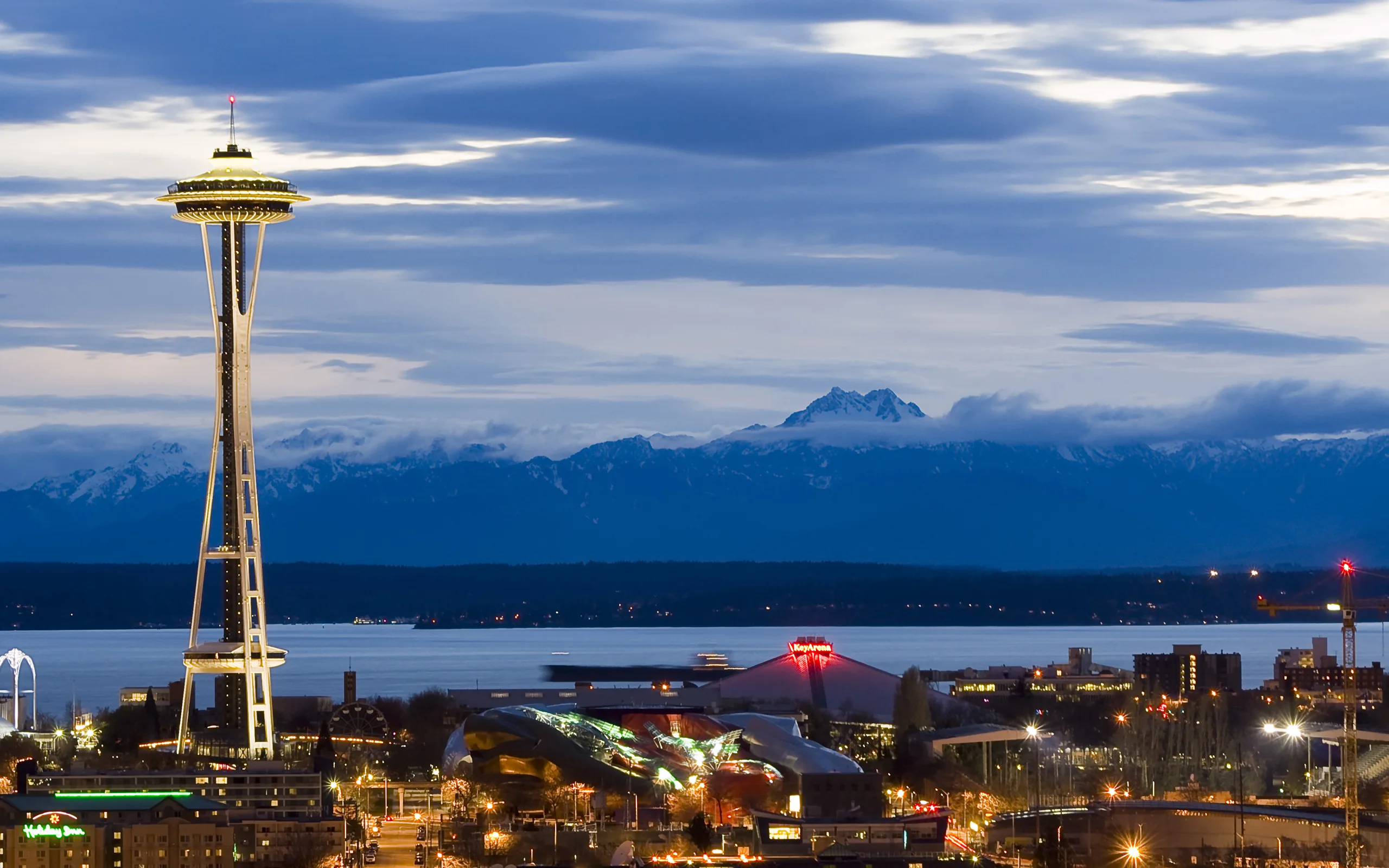
The Spokane Summer of Soccer World Cup 2026 Fan Zone plan gives the city a clear tournament role even without hosting matches. Spokane has been confirmed as an Official SeattleFWC26 Fan Zone, with Gesa Pavilion at Riverfront Park set to anchor public watch parties through the summer. That matters because fan travel around World Cup 2026 is no longer limited to the main stadium markets. Secondary cities now want a real stake in the tournament atmosphere too.
Why Spokane now has an official tournament role
Spokane is not being treated as an informal watch-party city. The official language around the program makes it part of the wider SeattleFWC26 build-up, which immediately raises the level of planning. That means local organizers can talk about transport, event space, and city activation with a clear tournament identity rather than a loose football festival label. In practical terms, that gives supporters a better chance of seeing a structured fan experience rather than scattered one-off events.
The city has also made the message easy to read. Spokane Summer of Soccer is being framed as a season-long build-up rather than a single fan-day stunt. So the idea is broader than one screen and one crowd. It is a city program designed to keep football visible across businesses, public agencies, and community venues right through the 2026 tournament window.
Gesa Pavilion is the centre of the plan
The biggest confirmed detail is the venue. Official watch parties are scheduled for Gesa Pavilion in Riverfront Park, which gives Spokane a recognizable focal point for matchdays. That is important because fan zones work best when people know exactly where the public gathering point is. A clear home base also helps with transport planning, crowd messaging, and sponsor activity once the tournament starts.
Riverfront Park makes sense for the role because it already gives the city a central event setting. Fans should be able to treat the pavilion as the easiest reference point for the tournament rather than guessing which district will carry the energy. That still leaves room for bars and local businesses to join in, yet the anchor location keeps the main experience stable. For a city trying to scale football interest fast, that clarity is a genuine advantage.
How the city wants the fan-zone model to feel
The Spokane rollout is not limited to one venue. City partners have already said they want local businesses and the wider community involved through watch parties and soccer-themed activity around the tournament. That gives the project a more distributed feel, which matters because fan culture usually spreads best when it moves beyond one fenced event footprint. Even so, the official site still keeps Gesa Pavilion as the central reference point, which should stop the overall message becoming messy.
Transport is part of that same picture. Spokane Transit Authority is included among the named partners, and the city has signalled that extra routes and football-themed activations are part of the planning conversation. That does not mean every detail is final yet. It does show the fan-zone idea is being treated as a city operation rather than a marketing poster.
Why this matters beyond eastern Washington
This story is bigger than Spokane because it shows how the 2026 tournament footprint keeps expanding beyond official stadium cities. Supporters who miss out on host-city tickets still want shared public spaces, and places tied to a nearby market can benefit from that demand. Spokane is using its link to the Seattle host city to create exactly that type of regional football moment. In effect, it is turning distance from the stadium into a different kind of fan opportunity.
That wider lesson should matter to other secondary markets as well. If Spokane can build a usable, visible, and public-facing fan-zone plan early, it gives the city a better chance of capturing summer traffic and football attention. It also means people in the region can follow World Cup 2026 in a civic setting rather than only through private venues. That is the kind of local value organizers were always hoping the tournament would spread.
Frequently Asked Questions
What is Spokane Summer of Soccer for World Cup 2026?
It is Spokane's official fan-zone build-up for the tournament, linked to SeattleFWC26 and centred on public watch-party activity.
Where will Spokane host its main World Cup 2026 watch parties?
The Spokane Summer of Soccer World Cup 2026 Fan Zone plan gives the city a clear tournament role even without hosting matches.
Is Spokane an official World Cup 2026 host city?
No. Spokane is not a match host, but it has been confirmed as an Official SeattleFWC26 Fan Zone city.
Why is Spokane Summer of Soccer World Cup 2026 Fan Zone important now?
It shows how nearby regional cities are building structured public football events around the main host cities.
Spokane has moved beyond vague tournament excitement and into a defined fan-zone plan. Gesa Pavilion gives the city a clear centre, and the wider Summer of Soccer concept gives it room to build a real regional football atmosphere.
Stay tuned to FWCLive.com for the latest FIFA World Cup 2026 updates.
Read Also: Marlborough Lands Official World Cup 2026 Regional Fan Zone