
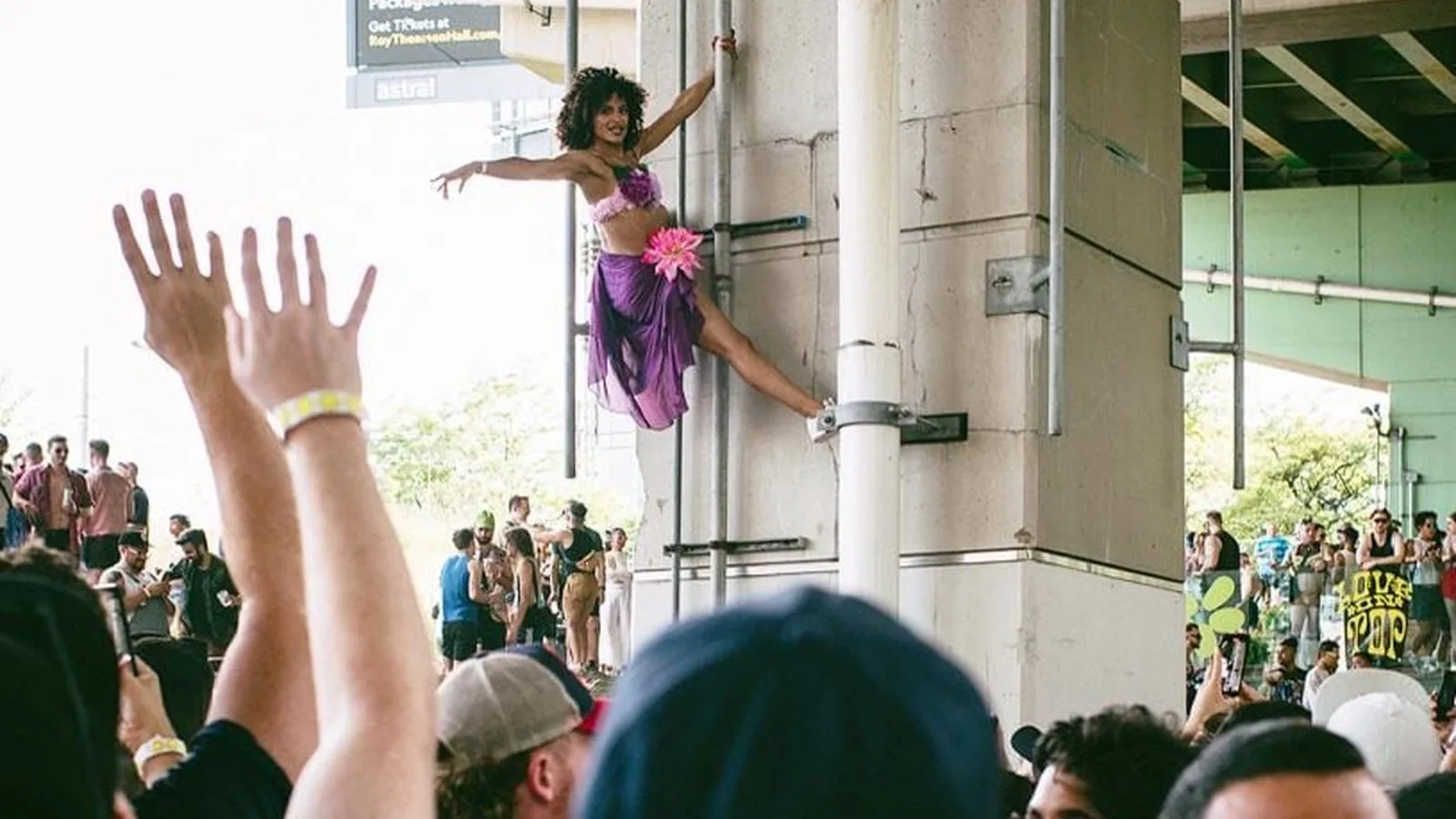
Toronto Pride events World Cup 2026 pressure is now a real local planning story. Smaller queer event organizers say venue shortages, rising costs and logistical pressure are forcing some Pride-season events to be cancelled or restructured. That matters because World Cup 2026 arrives in Toronto during an already busy June calendar. The city can still host both major football and Pride programming, yet smaller organizers are feeling the squeeze first.
Why smaller Toronto Pride events are under pressure
The strongest verified point is that not every Pride-season event has the same protection or scale. Major official Pride Toronto programming is expected to proceed, but smaller organizers have less room to absorb higher costs and venue competition. That difference matters because big city events can often hold space earlier and negotiate from a stronger position. Independent promoters usually face tighter margins and fewer backup options.
One cited organizer said major events had been cancelled this year because the conditions did not work. That is a concrete warning about how the World Cup footprint can affect groups outside the main tournament structure. The issue is not only stadium access or fan zones. It is the pressure created when many events compete for the same rooms, staff, permits and attention at the same time.
How World Cup timing changes Toronto’s June calendar
Toronto will be one of the tournament’s Canadian host cities, and the World Cup brings a heavy demand pattern. Visitors need hotels, public space, venues, security planning, transport capacity and hospitality services. Pride season needs many of those same resources. So the overlap creates a practical challenge even when the events are not directly competing for the same audience.
The pressure also lands at a sensitive cultural moment. Toronto’s Pride calendar is not a small side attraction. It is a major part of the city’s identity and summer economy. If smaller events are pushed out or made too expensive, the city risks losing some of the local texture that makes Pride more than one headline weekend.
What official Pride organizers are saying
The latest reporting indicates that official Pride Toronto festival plans are still expected to run smoothly alongside World Cup activity. That distinction is important because it keeps the story from becoming a claim that Pride itself is cancelled. The issue is more specific and more useful: smaller events are facing harder conditions while the flagship festival remains in place.
That creates two realities at once. Toronto can still present itself as an inclusive World Cup host with major Pride programming intact. At the same time, independent queer event organizers may have to scale back, move dates, or rethink formats. Those two points can both be true, and the tension between them is what makes the story worth watching.
Why this matters for fans and the host city
For football visitors, the overlap could make Toronto one of the liveliest cities of the tournament. Fans may arrive for matches and find a city already full of public events, nightlife and cultural programming. That can be a strength if the calendar is coordinated well. It can become a problem if smaller communities feel priced out of their own season.
For Toronto, the challenge is balance. World Cup attention can bring money, visibility and new visitors, but the city also has to protect events that already belong to local communities. The best host-city outcome is not simply a bigger crowd. It is a schedule that lets the tournament grow without flattening the city around it.
Frequently Asked Questions
Are Toronto Pride events cancelled because of World Cup 2026?
Some smaller Pride-season events have been cancelled or restructured, but official Pride Toronto festival programming is expected to proceed.
Why are smaller Pride events feeling pressure?
Organizers are facing tighter venue access, higher costs and more logistical competition during a busy World Cup month.
Is Toronto still hosting World Cup 2026 matches?
Yes. Toronto remains one of the Canadian host cities for the tournament.
Why is Toronto Pride events World Cup 2026 pressure important now?
It shows that the World Cup will affect the wider city calendar, not only matchdays and stadium areas.
Toronto can benefit from a huge football summer, but the city still has to protect the events that give June its local character. Smaller Pride organizers are now the clearest test of that balance.
Stay tuned to FWCLive.com for the latest FIFA World Cup 2026 updates.
Read Also: Toronto May Make Most World Cup 2026 Fan Fest Tickets Free