

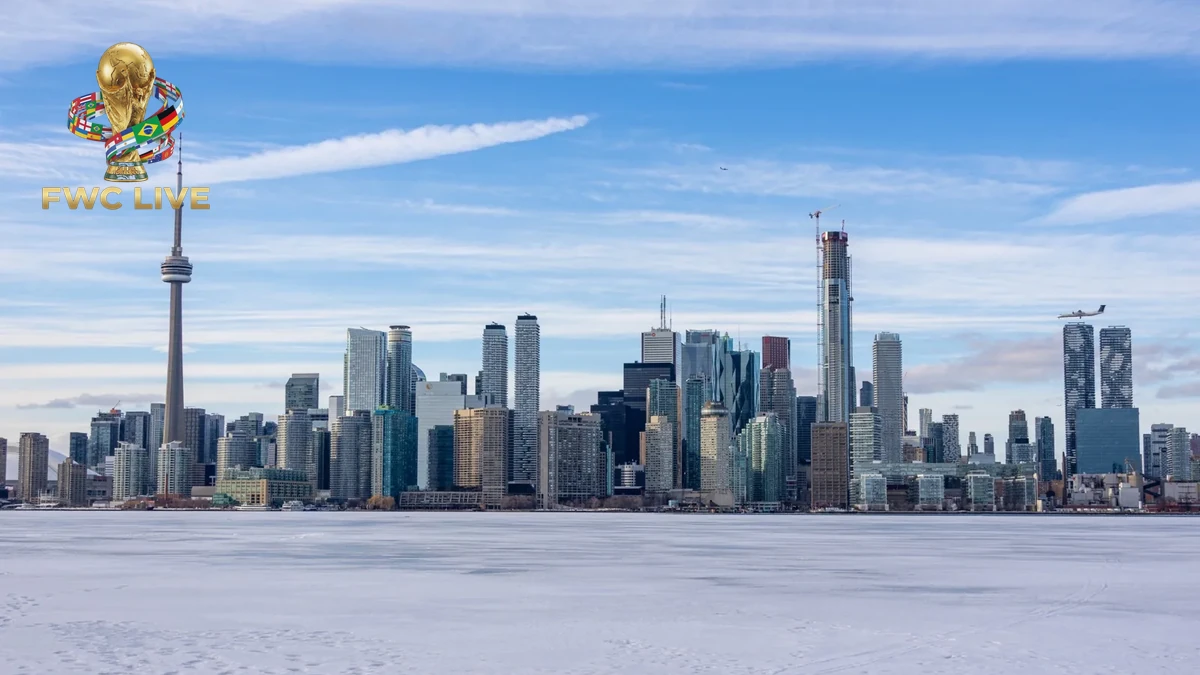
Toronto World Cup 2026 cleanup push is now moving at a faster pace,. The city has pulled its Keep Toronto Beautiful campaign forward ahead of next summer. The latest city release makes the tournament connection explicit, with leaders framing cleaner streets, parks, and public spaces as part of host-city readiness. That matters for FIFA World Cup 2026 because Toronto is no longer talking about abstract planning. It is already shifting staff and weekend operations around the visitor load that comes with the tournament.
What Toronto Has Actually Announced
Mayor Olivia Chow and Deputy Mayor Ausma Malik launched the second annual Keep Toronto Beautiful campaign with frontline cleaning and maintenance crews. Chow said, "When our public spaces are clean, safe and welcoming, everyone benefits." The city also said the targeted blitzes are starting earlier this year so public spaces can be cleaned, refreshed, and restored before the World Cup visitor wave begins. That early start is the most important part of the update, because it shows Toronto is using 2026 as a practical operating deadline now.
From May through October, up to 400 city staff will deliver eight Saturday cleanup blitzes in high-need public areas. The city said that work comes on top of regular daily maintenance, so this is not a cosmetic one-day exercise. It is a layered program built around repeated intervention. As a result, the campaign has a stronger operations feel than a simple public-awareness launch.
Toronto also linked the selected areas to daily crew patrol data and 311 service requests. That means the city is using complaint patterns and on-the-ground maintenance evidence to decide where to focus. For a host city, that is the right signal. It suggests the cleanup plan is being directed by pressure points rather than by symbolic photo opportunities alone.
The city pointed back to last year's campaign to underline scale. Toronto said the inaugural version mobilized 2,000 staff and 1,100 vehicles over five blitzes. So the new edition is being presented as both an expansion and a refinement. The World Cup angle gives it more urgency, yet the underlying idea is also about keeping neighborhoods usable for residents before visitors arrive.
Why The Timing Matters For Toronto
Toronto is expected to host six World Cup matches, including Canada's opening game on June 12, 2026. Because of that schedule, the city does not have much room for late reactive cleanup. Core public spaces, transit-adjacent routes, and fan movement corridors all need to look settled well before the opening stretch. Starting the program earlier gives Toronto more margin to fix repeated problem spots before they become tournament embarrassments.
This update also says something about how host-city readiness is changing. Stadium work and transport headlines tend to dominate coverage, yet public-space condition is one of the first things supporters notice on arrival. Clean sidewalks, maintained parks, and reliable waste removal shape the feel of a city as much as a venue entrance does. So Toronto is trying to manage the broader visitor impression, not only the matchday core.
The choice to run the campaign from May to October also stretches beyond the tournament month itself. Toronto is treating beautification as a long summer operating window rather than a short football burst. That should help city crews test workload patterns and recurring trouble areas before 2026 arrives. In fact, this may be just as useful as the visual upgrade, because preparation data matters once crowds start moving in volume.
There is also a political point in the launch language. City leaders are selling the program as something that benefits residents now while preparing for global visitors later. That balance matters because World Cup spending can draw local skepticism if people feel daily life is being ignored. Toronto is trying to frame the cleanup drive as both civic upkeep and tournament readiness at the same time.
What Supporters Should Watch Next
The next useful signal is where the eight blitzes land and whether those locations overlap with likely fan movement zones. Anyone tracking the Toronto host city build-up should watch which parks, downtown corridors, and public gathering areas keep appearing in the city's schedule. That will show where officials believe the pressure will be heaviest. It may also reveal which areas still need the most work before the World Cup schedule takes over city planning.
Supporters should also pay attention to whether Toronto adds more visible wayfinding, park programming, or crowd-management measures around these cleanup runs. Beautification on its own matters, yet the stronger sign would be integration with the city's broader event plan. Once maintenance work, public information, and mobility planning begin to overlap, the host-city picture becomes more convincing.
For now, the clear takeaway is simple. Toronto has moved from talking about civic pride in the abstract to assigning staff, vehicles, and dates against specific public-space challenges. That is what real tournament preparation looks like at street level. Readers following the Toronto host city build-up alongside the wider World Cup schedule can now see one more piece of the operational picture becoming concrete.
FWC LIVE will keep tracking whether this earlier cleanup push turns into a visible advantage by the time fans arrive next year. The headline is not only that Toronto wants to look better. It is that the city has decided the work needs to start now.
Frequently Asked Questions
What changed with Toronto World Cup 2026 cleanup push?
Toronto has moved its public-space cleanup campaign into an earlier World Cup rhythm, with city crews now working through a broader summer window.
Why is Toronto World Cup 2026 cleanup push important now?
Toronto World Cup 2026 cleanup push is now moving at a faster pace, because the city has pulled its Keep Toronto Beautiful campaign forward ahead of next summer.
What should fans watch next on Toronto World Cup 2026 cleanup push?
Mayor Olivia Chow and Deputy Mayor Ausma Malik launched the second annual Keep Toronto Beautiful campaign with frontline cleaning and maintenance crews.
Toronto has started treating public-space readiness as a real World Cup task, not a last-minute branding exercise.
That early shift gives the city a better chance of meeting the practical pressure that comes with hosting next summer.
Stay tuned to FWCLive.com for the latest FIFA World Cup 2026 updates.
Read Also: Edson Alvarez Return Gives Mexico A World Cup 2026 Lift