
World Cup 2026 Airbnb fan experiences have moved the company deeper into the tournament than a normal travel partner would. Airbnb is now selling football-led experiences in host markets, from live podcast access to on-pitch sessions and matchday packages. That matters because FIFA World Cup 2026 is becoming a month-long event economy, not only a ticketed stadium product. Airbnb is clearly trying to own a share of that off-pitch demand.
What Airbnb Has Actually Put On Sale
The headline offer is a Rio Ferdinand package built around a quarter-final trip in Los Angeles. Airbnb says four fans, each with a plus one, can request that trip from May 12. The stay runs from July 8 to July 11 and includes a quarter-final ticket in Los Angeles. Car transfers, one private chef service, and extra local experiences are also part of the plan.
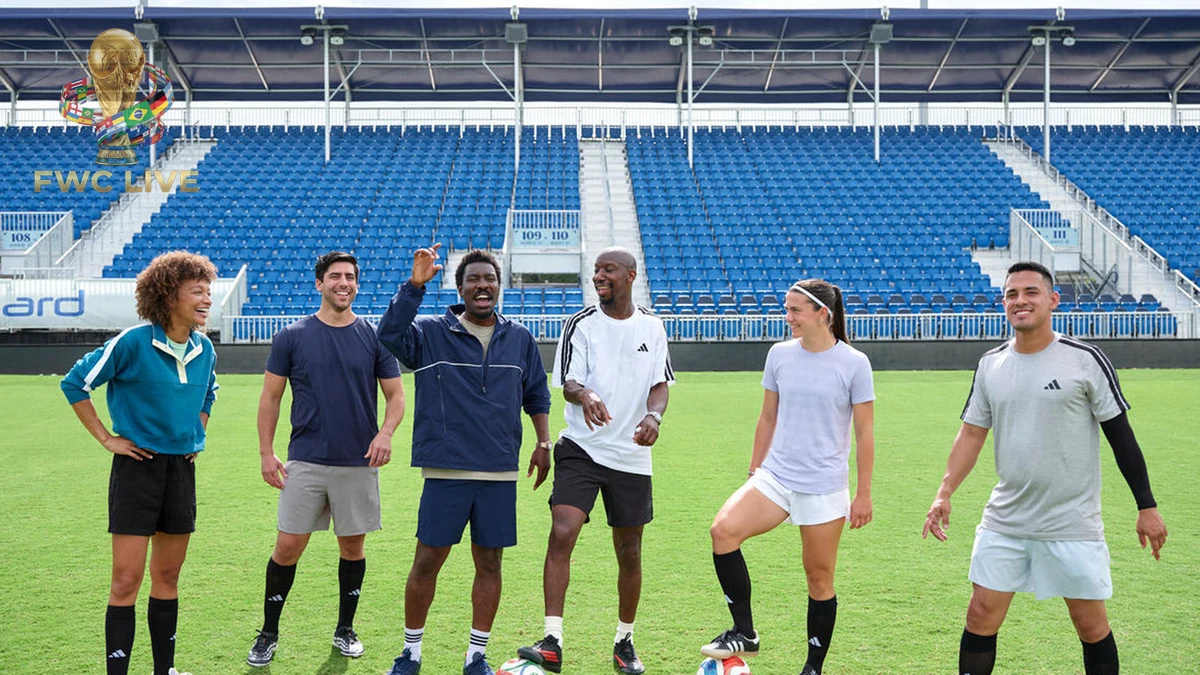
The broader release goes much wider than one celebrity trip. Airbnb has lined up jersey customization sessions with an adidas designer, live podcast access with Tim Howard and Landon Donovan, and training experiences with Ian Wright and Christen Press. There is also a Miami stadium experience with Bradley Wright-Phillips and Lloyd Sam. In pure product terms, Airbnb is packaging fandom as access rather than only lodging.
There is a clear host-city spread behind the launch. New York New Jersey, Los Angeles, Miami, Dallas, and Mexico City all appear in the rollout in some form. That is important because it mirrors the geography of the World Cup schedule rather than leaning on one showcase city. Airbnb wants fans to see its experiences as part of the host-city journey, not as side entertainment detached from the tournament itself.
Airbnb is also using local hosts as part of the pitch. Matchday experiences in New York New Jersey, Los Angeles, and Mexico City are tied to top-rated local hosts who already know those markets. That makes the offer feel more like a local-access program than a generic hospitality package. For supporters weighing value against premium ticket prices, that angle could be one of the more persuasive parts of the launch.
Why The Rollout Matters Now
This launch changes the Airbnb story around the tournament. The earlier debate focused on whether hosts would actually get the booking surge they expected. Now the company is shifting the conversation toward fan activity, city immersion, and bookable football moments. That gives Airbnb a stronger role in the build-up than a normal accommodation platform would have held.
The timing also makes sense. Airbnb says searches in host cities are up 80 percent, while families and groups account for more than half of World Cup travel tracked so far. Those are not small signals. They suggest supporters are planning in clusters, and that they want more than a bed near a stadium. Airbnb is responding by bundling travel logic with tournament culture.
There is also a pricing and access argument underneath the campaign. Many fans will not buy seats for every match they care about. Others will travel without any stadium ticket at all. So experiences built around podcasts, kit design, training drills, and community meetups can fill the gap between high-cost hospitality and passive tourism. That middle band of demand could become one of the biggest commercial lanes of the whole tournament.
Airbnb benefits if fans start treating these add-ons as part of trip planning from day one. A supporter comparing a New York New Jersey host city weekend with a Los Angeles host city stop is more likely to stay inside the Airbnb ecosystem if the experience and accommodation sit together. That is why this announcement feels strategic, not decorative. Airbnb is trying to tie trip planning to football identity before final demand peaks.
What Supporters Should Watch Before Booking
The biggest practical detail is timing. The Rio Ferdinand quarter-final package opens first on May 12. Most of the other football experiences start taking bookings on May 20. Fans will need to track the World Cup schedule closely because many of these events are tied to specific cities and tournament windows. Waiting too long could leave only the most expensive or least convenient options.
Supporters should also separate genuine access from simple branding. Some Airbnb listings are being promoted as football-friendly stays near host venues, while other offers are direct experiences with players, designers, or hosts. Those are not the same product. A carefully planned stay can still work without a premium experience, yet the release shows Airbnb wants both categories to sit under one tournament umbrella.
The launch also tells us something broader about the event itself. World Cup 2026 is pushing fan spending into more categories than tickets and flights. Matchday culture, off-day entertainment, local design, and personality-driven access are all becoming sellable layers. Airbnb has read that early and moved fast. That should keep this story relevant as more host-city activations come online in June and July.
For now, the key takeaway is straightforward. Airbnb is no longer selling only a place to sleep during the tournament. It is trying to become part of how fans experience the competition once they reach the city. If the first booking windows move quickly, other travel brands will likely have to respond with sharper offers of their own.
Conclusion
Airbnb has turned tournament travel into a more layered fan product.
That shift matters because fans are now choosing between access types, not only between cities or prices.
Read Also: Lamine Yamal Takes Recovery Step Before World Cup 2026