
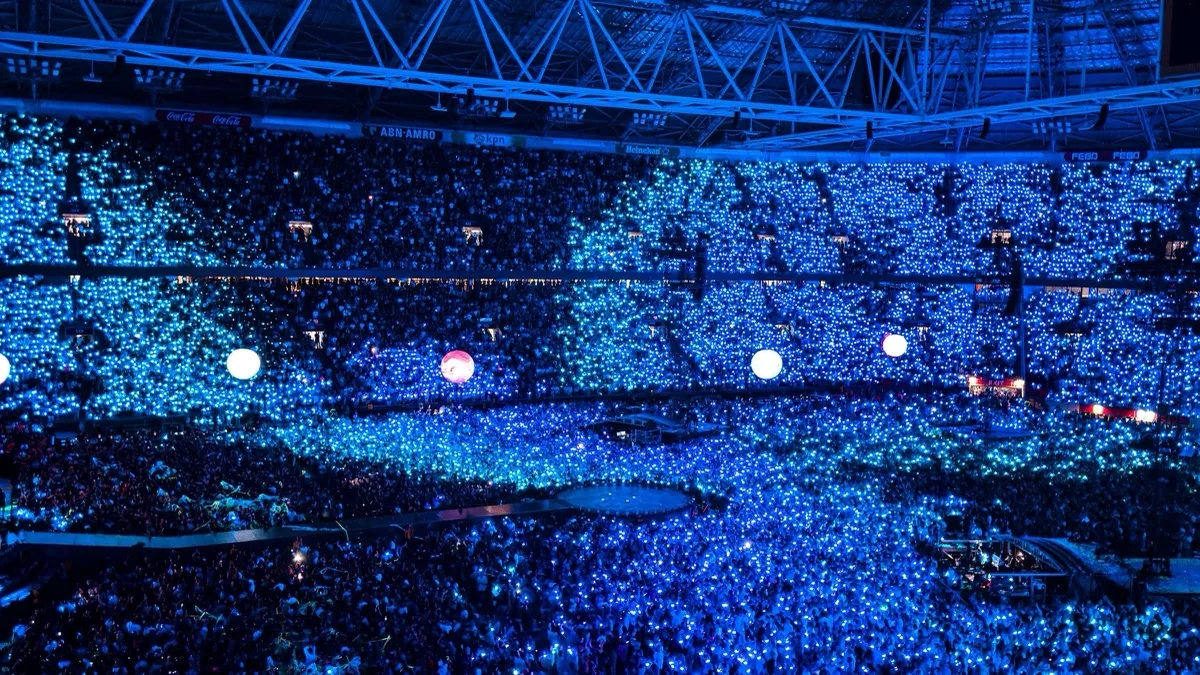
The World Cup 2026 final halftime show is now confirmed and has become one of the most argued tournament decisions. FIFA said the show will feature multiple artists and be curated by Chris Martin and Coldplay. The move introduces a new entertainment layer in a match that traditionally uses halftime only for team reset.
What FIFA has confirmed so far
FIFA leadership has stated that the final will include a multi-artist halftime production and described it as a major global event. Names beyond the curator role are yet to be confirmed.
This makes 2026 the first final in tournament history with a dedicated halftime show format. The decision shifts final-night planning for broadcasters, operations teams, and fan expectations.
Gianni Infantino has already described the concept as the biggest show of its kind for the sport, which signals how heavily FIFA wants to package the final as a wider entertainment event. That framing explains why reaction has moved beyond music taste and into questions about match identity.
Why the decision is dividing opinion
Supporters of the plan see it as a global media expansion move that can grow audience reach. Critics argue the World Cup final already has unmatched drama and does not require imported spectacle.
The strongest concern is rhythm. Traditional halftime is built around player recovery and tactical reset, so any format change is immediately scrutinized for competitive impact.
Broadcast and matchday implications
A halftime production of this size affects timing, ad inventory, and how the second-half restart is framed for worldwide audiences. It also changes in-stadium logistics around security flow and stage operations.
For teams, the key issue is preserving consistent warm-up routines and interval discipline regardless of the entertainment layer.
FIFA leadership has framed the show as a global entertainment upgrade and confirmed that more than one artist will perform. Even so, full run-of-show details are still pending, including sequence and production timing. Those unresolved points matter because final-night planning is built on precise interval control for teams, officials, and worldwide broadcast windows.
What remains yet to be confirmed
Full performer lineup, final show length, and exact production sequence are still yet to be confirmed. Those details will determine whether the plan feels additive or disruptive once matchday arrives.
Fans can track official updates through FIFA World Cup 2026, live planning signals in the World Cup schedule, and latest World Cup news.
Frequently Asked Questions
Will the World Cup 2026 final have a halftime show?
FIFA confirmed a multi-artist halftime show for the 2026 final, opening a major debate over match tradition, pacing, and audience expectations.
Who is curating the halftime show?
The World Cup 2026 final halftime show is now confirmed and has become one of the most argued tournament decisions.
Will there be only one performer?
FIFA leadership has stated that the final will include a multi-artist halftime production and described it as a major global event.
Why is the decision controversial?
Many fans and analysts question whether a show format fits the traditional final-match interval.
Are full production details final?
No. Key details including full lineup and final format remain yet to be confirmed.
FIFA has chosen spectacle as part of the final-night identity in 2026, and the football world is split on that direction. The decision will ultimately be judged by whether it enhances the event without damaging match integrity.
Final acceptance will depend on whether football remains the center of the night from first whistle to trophy lift. If production logistics stay disciplined and restart rhythm is protected, the show can be integrated without major disruption. If timing drifts, criticism will intensify regardless of artist profile.
The format is set, but acceptance will depend on execution.
Stay tuned to FWCLive.com for the latest FIFA World Cup 2026 updates.
Read Also: World Cup 2026 final halftime show plans begin with Coldplay as first confirmed music act