
World Cup 2026 big questions are no longer abstract. With only 50 days left, the tournament story has started to narrow around a few major themes. Some are about contenders. Others are about scale, pressure and whether the new format can hold up once World Cup 2026 begins.
Can Portugal turn talent into a first title
Portugal arrive with one of the strongest talent pools in the event. Bruno Fernandes, Vitinha, Joao Neves and Nuno Mendes give the team quality across the pitch. On top of that, Cristiano Ronaldo still carries the one prize that has always escaped him. So the first question is simple: can Portugal finally turn depth into a first world title.
That story matters because the tournament may also be Ronaldo's last chance. At 41, he is entering a sixth World Cup and chasing the final gap in his international legacy. If Portugal go all the way, the achievement would reshape how this team is remembered. If they fall short, the question will return even more sharply when the phase ends.
How far can the United States really go at home
The United States have home advantage, a well-known coach and a squad built around players from major European leagues. Yet the team still has not beaten elite opponents consistently under Mauricio Pochettino. Heavy March defeats to Belgium and Portugal exposed the gap that still exists at the top end. So the second big question is whether emotion and home support can close that distance in time.
This is not just about getting out of the group. American football culture has grown, but the national side has still not moved beyond a 2002 quarter-final high-water mark in the modern era. That makes the pressure larger than a normal host-nation assignment. It is a sporting test and a national expectation test at the same time.
Will the new format give first-timers a real chance
The 48-team model has already changed who gets in. Cape Verde, Curacao, Jordan and Uzbekistan are among the first-time qualifiers preparing for their debuts. That matters because expansion only feels meaningful if those nations can do more than attend. The new structure should at least give them a more believable path to a top-two or best-third finish.
Each debutant brings a different challenge level. Jordan landed with the defending champions, while Curacao and Uzbekistan face heavyweight European opposition. Even so, the wider World Cup schedule now creates more room for volatility. One strong result can shift an entire group in a way that felt harder under the old structure.
Can Argentina win again with an older core
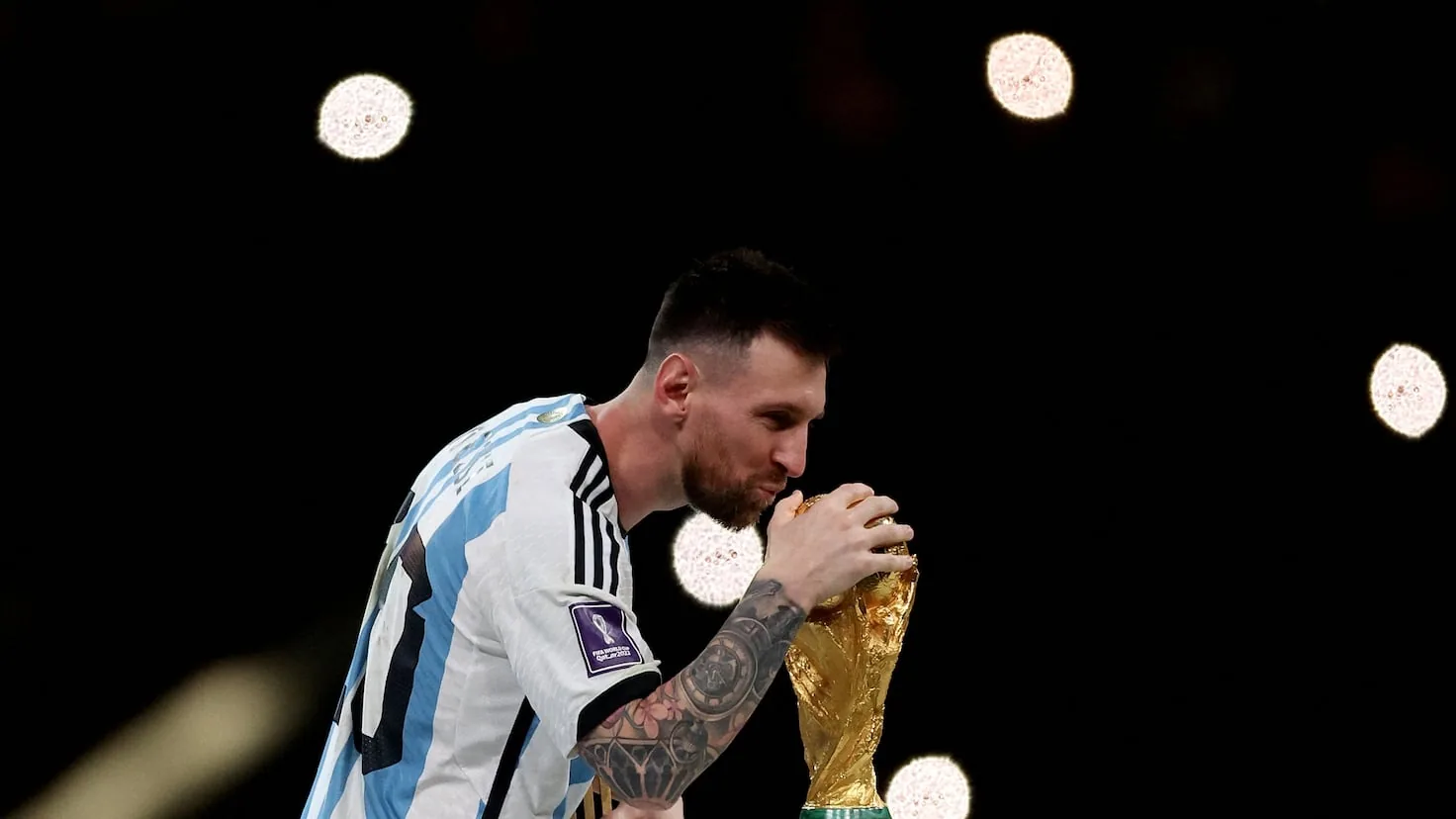
Argentina still carry the aura of a side that knows how to win. Lionel Messi remains central, and the group followed the 2022 title by winning another Copa America in 2024. That recent history gives them authority before a ball is kicked. Even so, repeating is a very different challenge from conquering for the first time.
Several key figures are now deep into their thirties or coming off difficult club seasons. That means the question is not only whether Argentina are good enough. It is whether Lionel Scaloni can squeeze one more major run from a group that has already given so much. The answer could define the late stage of this international phase.
Will travel and recovery shape the tournament more than usual
This edition stretches across the United States, Canada and Mexico, with 104 games across 16 cities and four time zones. That scale is new even by World Cup standards. For players coming off long club seasons, the combination of travel and tournament length could become one of the biggest competitive variables. So the final major question is whether the format itself becomes part of the football story.
There is one counterbalance. Teams are due to have either five or six days between some group-stage matches, which is more recovery time than in 2022. That should help in the early rounds. Yet a six-week event can still build fatigue deeper into the bracket. The tournament may be remembered not only for who was best, but for who managed the calendar best.
Frequently Asked Questions
Why are these the main World Cup 2026 questions?
They combine title pressure, host-nation expectation, first-time qualifiers, defending-champion strength and the demands of the new format.
Which team is chasing a first World Cup title in this list?
Portugal stands out as the strongest side still chasing a first men's World Cup crown.
Why is the United States central to the tournament debate?
The United States is a host nation and enters the event under pressure to deliver its best modern finish.
How is the format different in 2026?
The tournament expands to 48 teams and 104 matches across three countries.
The tournament is close enough for the noise to fall away and the real questions to take over. Those answers will shape not only who wins, but how this expanded World Cup is remembered.
Stay tuned to FWCLive.com for the latest FIFA World Cup 2026 updates.
Read Also: Texas World Cup 2026 Tickets and Match Dates Take Shape