
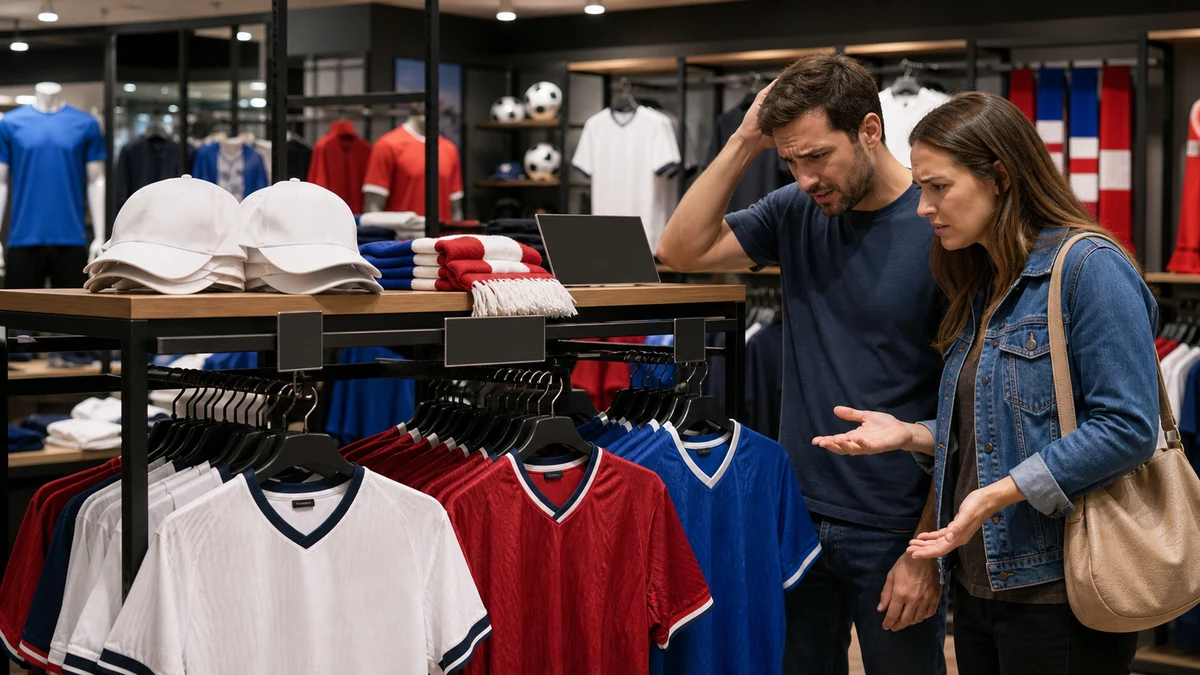
World Cup 2026 merch prices are already becoming a talking point before the tournament even opens. Fresh FIFA store drops have pushed shirts, tracksuit tops, and casual pieces into a premium range that many supporters see as hard to justify. That reaction matters because fan spending pressure no longer starts with tickets alone. It now stretches into every layer of the tournament build-up.
The newest collection shows how quickly that cost stack can grow. A retro adidas Germany shirt is listed at 105 dollars. New adidas tracksuit tops sit in the 90 to 95 dollar range, while some t-shirts come in around 45 dollars. On their own, those numbers are not shocking for branded apparel. Together, they feed a bigger affordability argument around the wider World Cup 2026 experience.
What Fans Are Reacting To In The New Drop
The reaction is not only about one product. It is about the pattern. Once supporters see shirts above 100 dollars and lifestyle tops close to that mark, the whole collection starts to feel like premium stock rather than broad fan gear. That can work for collectors, yet it is less comfortable for ordinary buyers already budgeting for the tournament.
The FIFA store is clearly leaning into fashion-led presentation rather than low-cost access. That strategy fits a global event with strong sponsor weight. Yet fans do not read it as a design strategy alone. They read it through the same lens they already use for ticket info, travel budgets, and matchday food costs.
So the backlash is not really about a single shirt or top. It is about accumulation. Once each layer of the event begins to feel premium, supporters start asking where the affordable entry point actually is.
Why Merch Now Sits Inside The Bigger Cost Story
Tournament merchandise used to feel like the optional part of fan spending. In 2026, it no longer looks that simple. Supporters are already tracking transport costs, hotel rates, resale pricing, and fraud risks. Merchandise now lands inside that same running total rather than outside it. That changes how even routine product drops are judged.
The latest push is also arriving well before kickoff, which gives it more weight. Buyers are not making emotional matchday purchases yet. They are looking at the collection in a colder planning window. That makes price scrutiny sharper, because people still have time to compare a shirt against flights, accommodation, and travel planning needs.
There is a commercial logic behind FIFA's approach. Premium products can lift revenue even if unit volume softens. Yet the risk is obvious too. If supporters feel priced out before the competition starts, merchandise can become another symbol of distance between the event and everyday fans.
Why The Reaction Matters Before Kickoff
This matters now because early fan mood has value. Merchandise is one of the first physical touchpoints of the tournament. If that touchpoint feels exclusive or overpriced, the complaint lands early and travels fast. It also shapes how later commercial moves are received once the tournament gets closer.
The issue also connects back to the broader identity of FIFA World Cup 2026. This will be the biggest men's World Cup ever by teams, matches, and market reach. A tournament sold at that scale still needs products that feel reachable to ordinary supporters. Otherwise the event can look commercially huge but emotionally distant.
That is why the merch conversation matters more than it first appears. It is not only about clothes. It is about whether fans believe there is still room for them inside the commercial build-up without paying premium prices at every step.
Frequently Asked Questions
Why are World Cup 2026 merch prices getting attention?
New FIFA store releases include shirts at 105 dollars, tracksuit tops near 95 dollars, and t-shirts around 45 dollars.
What is behind the World Cup 2026 merch prices backlash?
Fans are reacting to the broader cost stack around the tournament, not only to one product line.
Do World Cup 2026 merch prices matter before kickoff?
Yes. Early product pricing shapes fan mood long before matchday spending begins.
How do World Cup 2026 merch prices connect to other costs?
Supporters now judge merchandise alongside tickets, travel, transport, and food rather than as a separate extra.
The new drop has done what premium launches often do. It created attention fast, but it also reopened the value argument around World Cup spending.
If FIFA want the collection to feel inclusive, fans will keep looking for lower-cost entry points as the tournament gets closer.
Stay tuned to FWCLive.com for the latest FIFA World Cup 2026 updates.
Read Also: World Cup 2026 Ticket Prices Raise New Affordability Doubts