

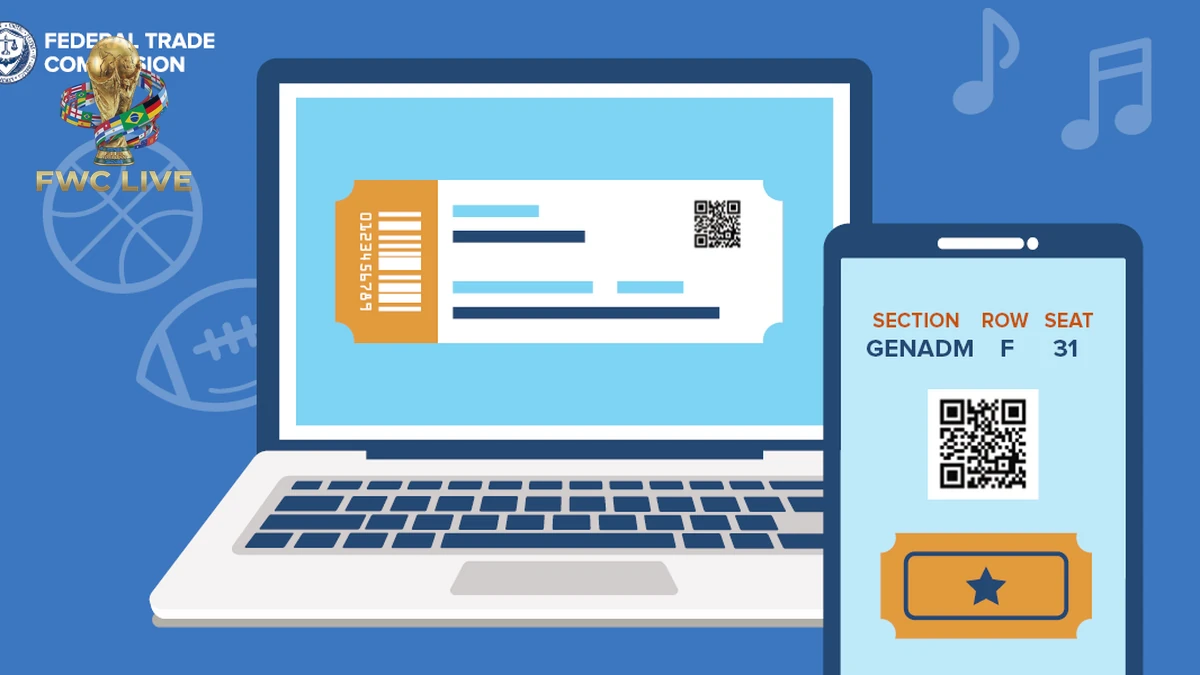
The World Cup 2026 ticket scam warning is getting louder as the tournament moves into its final countdown. Fresh scam coverage has again highlighted fake ticket listings, phishing emails and bogus travel-document offers targeting fans who are rushing to secure trips. That pressure is predictable because demand is huge and many supporters are now trying to solve tickets, flights and visas at the same time. For World Cup 2026 travellers, panic is now one of the scammer's best tools.
Why scam risk is climbing right now
The practical conditions are perfect for fraud. FIFA has already reported extraordinary ticket demand, while the tournament still has fans searching for resale options, last-minute seats and travel packages. Once supporters feel official inventory is tight, many start clicking faster and checking less. That is when fake portals, copied listings and phishing messages become more effective.
Recent consumer alerts have made the same point from different angles. Official warnings in the United States and Mexico have told fans to buy only through FIFA's official ticket channels and to treat urgent social-media offers with suspicion. The latest scam-focused coverage has simply put that risk back in front of the public. It is a reminder that fraud pressure rises as excitement rises.
The biggest red flags fans should watch for
One major red flag is any seller offering paper tickets, screenshots or a PDF as proof of access. Consumer guidance tied to the tournament says most authentic tickets will be delivered electronically through FIFA channels, so static images and informal attachments should immediately trigger caution. Another warning sign is a seller pushing an urgent deadline or demanding payment outside a protected platform. Scam offers usually try to shrink the time you have to think.
Phishing is the other major threat. Fans are being told to watch for emails that imitate FIFA Ticketing or offer help with travel documents, visas or ESTA processing through unofficial portals. That matters because supporters often move from ticket research to travel paperwork in the same session. A fake ticket message can quickly turn into an identity or payment-data trap if the site behind it is not genuine.
What the safe buying route still looks like
The safest path remains straightforward even if it is less convenient. Fans should use FIFA's official ticket portal, FIFA's official resale and exchange system where eligible, and recognised hospitality channels already named by the tournament. That route may not always be the cheapest, yet it gives supporters a much better chance of avoiding invalid entries or duplicated seats. It also protects them from sellers who disappear once the money is sent.
That same logic applies to high-demand fixtures and prestige packages. If someone claims they can bypass the queue for World Cup final tickets or unlock a private allocation through direct messaging, the offer should be treated as a risk first and an opportunity second. Fans also need to use trusted government sources when checking travel requirements. The best ticket purchase in the world still fails if a traveller gets caught by fake paperwork help instead of using proper World Cup visa guides.
Why this story matters beyond ticket loss
A bad purchase now can damage much more than one matchday. Fans who lose money on fake tickets often also lock in flights, hotel bookings and transport around those same plans. By the time the fraud becomes obvious, the wider trip may already be too expensive to unwind. That is why scam coverage around World Cup 2026 is really a travel-risk story as much as a ticket story.
The bottom line is simple. Fraud is not a side issue at this stage of the tournament cycle. It sits right in the middle of the supporter journey because tickets, resale, visas and travel documents all overlap. The supporters who stay patient, verify every link and stick to official channels now will give themselves the best chance of reaching June without an avoidable disaster.
Frequently Asked Questions
What is the World Cup 2026 ticket scam warning about?
It refers to growing alerts about fake ticket websites, phishing emails, copied resale offers and bogus travel-document help targeting supporters.
Are paper tickets or screenshots safe for World Cup 2026?
They should be treated with extreme caution because official guidance says most valid tickets are delivered electronically through FIFA channels.
Where should fans buy World Cup 2026 tickets safely?
Fans should use FIFA's official ticketing channels, the official resale and exchange route where eligible, and approved hospitality options.
Why are visa and document scams part of this warning?
Because fraudsters also imitate official visa or ESTA help, trying to steal money or personal data from travelling supporters.
Conclusion
Scam risk is rising because supporter demand is high and time pressure is real. The fans who trust urgency more than verification are the easiest targets. In the final run-up to the tournament, caution is no longer optional.