
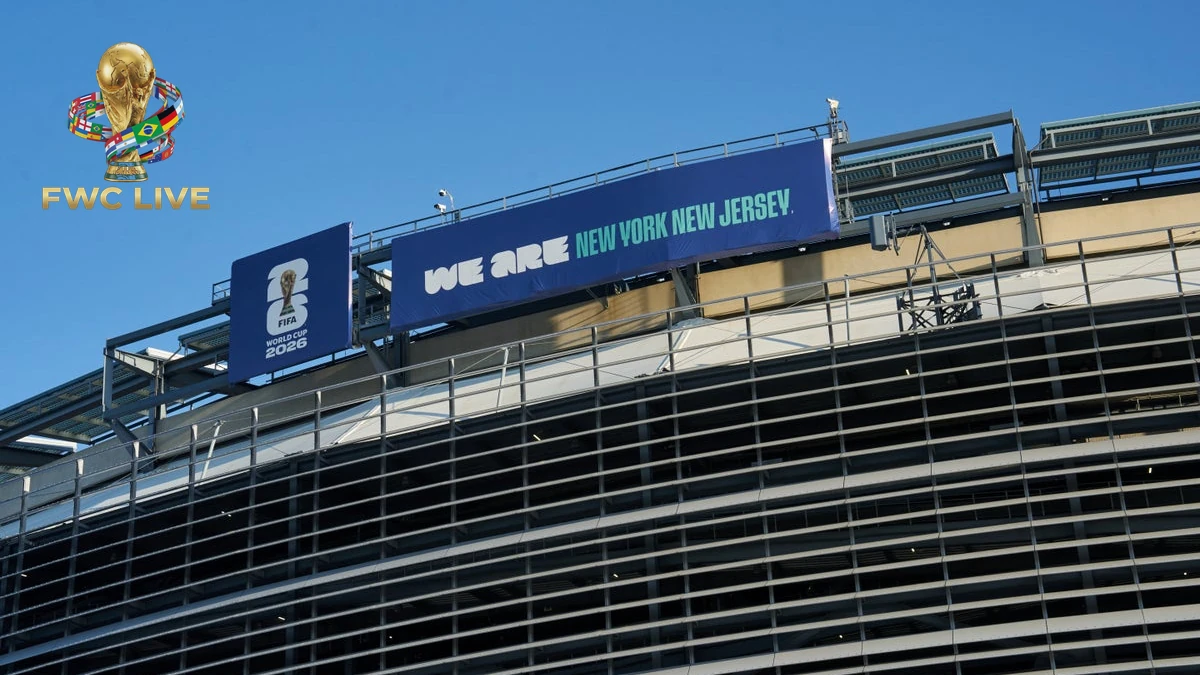
World Cup 2026 transport costs are turning into a fan story of their own because host cities are moving in completely different pricing directions. The sharpest flashpoint is the New Jersey rail fare for the England against Panama group game near MetLife Stadium, where supporters are being told to expect a 150 dollar round trip from Manhattan. That number has changed the conversation from normal event planning to basic access. For FIFA World Cup 2026, getting to the match is starting to feel like a second ticket.
Why New Jersey Has Become The Fare Flashpoint
The most widely criticised number in the latest transport debate is the special NJ Transit matchday fare for the 27 June game in East Rutherford. Fans travelling from New York Penn Station are being directed to book through the NJ Transit app, with sales opening on 13 May. The issue is not only the headline price. Discounts normally available to children and seniors are also not part of the offer, which makes the fare feel even more detached from normal public transport logic.
That reaction explains why the story has spread beyond local commuters. New Jersey governor Mikie Sherrill has argued that hosting should not come at the expense of everyday passengers and taxpayers. FIFA chief operating officer Heimo Schirgi has also acknowledged the pressure, warning that elevated fares can push supporters toward less efficient alternatives. Once both the host side and FIFA are publicly talking about the same pricing problem, the issue is no longer a minor complaint.
Other Host Cities Are Sending A Different Message
The reason the New Jersey charge looks so severe is that other host-city options remain far closer to normal urban travel pricing. In several markets, basic public rides still sit in the low single digits, while day passes stay well below the cost of a meal near a stadium. That contrast matters because fans do not compare one city to its own history. They compare one tournament city to another inside the same World Cup schedule.
That wider comparison also hurts because major events have taken the opposite approach before. London 2012 folded public transport into the ticketed experience for Olympic spectators, turning matchday mobility into part of the welcome rather than another barrier. World Cup 2026 is now producing the opposite image in some markets. A supporter can look at a cheap city ride in one host destination and then see a three-figure train bill attached to another.
Why The Fare Story Matters Beyond One Match
Transport pricing affects more than convenience. It changes the way fans build full itineraries, choose hotels and decide whether an extra match is still worth the cost. A supporter who already studied the Miami parking plan will understand the same pattern immediately: the tournament is not only testing ticket budgets, but also every layer around them. That is why transport is now becoming part of the event-access debate rather than a side issue.
The next phase will be about whether organisers keep defending these special rates or whether they are forced to soften them before the first travel surge begins. Right now, the messaging is unstable. Host officials want to avoid burdening locals, FIFA want smoother flows, and fans want prices that do not feel punitive before they even reach the turnstiles. World Cup 2026 can absorb expensive hospitality. It will struggle more if ordinary stadium access keeps feeling overpriced.
This is why transport planning can no longer be treated as background logistics. Once supporters start comparing host-city rail, bus and shuttle access in the same way they compare ticket prices, the tournament inherits a new fairness debate. Some cities will come out of that comparison looking practical and fan-aware. Others will look as though they treated event demand as a pricing opportunity first and a mobility problem second.
Conclusion
World Cup 2026 transport costs now look uneven enough to become a reputational issue for certain host cities. Fans can accept busy matchdays, but they are less likely to accept public-transport pricing that feels detached from the rest of the tournament.
Stay tuned to FWCLive.com for the latest FIFA World Cup 2026 updates.