
The World Cup 2026 U.S. travel advisory now sits alongside tickets and transport as a major fan-planning issue. More than 120 civil-society groups have backed a warning that asks international visitors to prepare carefully for entry rules, screening conditions, and rights-related risks in the United States. That matters because World Cup 2026 will bring millions of cross-border journeys into one tournament footprint. Even so, many supporters are still planning travel as if the trip begins and ends with a valid match ticket.
Why rights groups felt a public warning was necessary
The advisory was not framed as a general anti-travel statement. It was framed as a preparation warning for visitors who may face extra vulnerability at the border or during their stay. The groups behind it pointed to concerns around visa access, detention risk, profiling, protest rights, and uneven treatment of certain categories of traveler. So the core message is practical rather than abstract: do not assume normal tournament demand will make every entry problem easier.
That is an important distinction because the 2026 event will span the United States, Canada, and Mexico at a moment when border politics remain highly visible. The rights coalition is effectively saying that football tourism does not sit outside that climate. Fans may still travel successfully, yet they should arrive with their paperwork, route planning, and legal assumptions in better order than usual.
What the advisory means for ordinary supporters
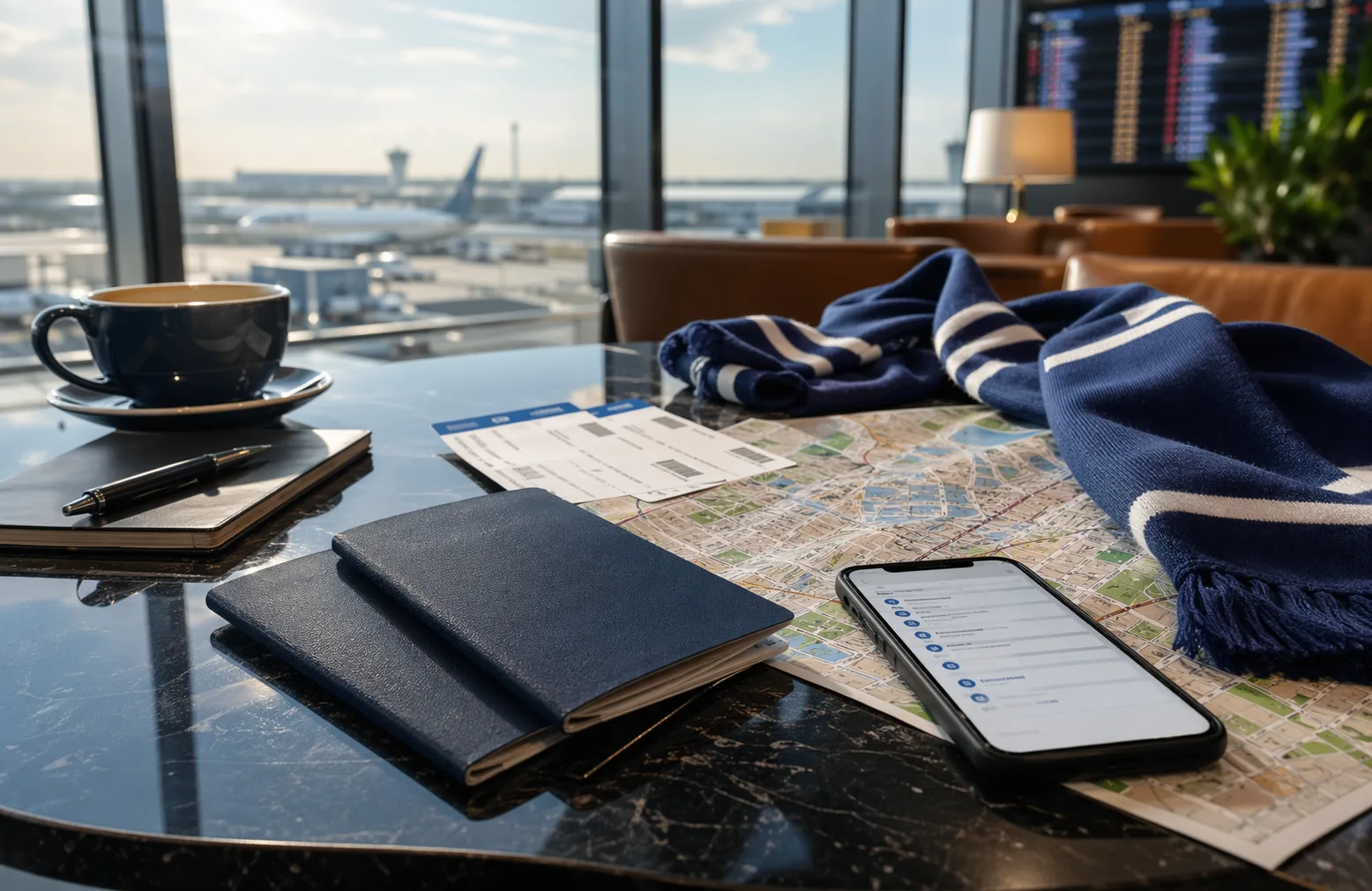
For most fans, the first lesson is documentation discipline. A passport, ticket confirmation, and flight booking are not the whole story if visa rules or waiver eligibility are unclear. That is why a solid USA visa guide matters before money is locked into flights and hotels. Border questions usually get harder when answers are improvised at the last minute.
The second lesson is to know whether ESTA versus visa rules apply to your nationality and travel history. Some supporters will move through the Visa Waiver framework smoothly, while others will still need a standard visitor visa and a longer lead time. Because of that, the same tournament can feel simple for one traveler and high-risk for another. The advisory is a reminder that supporters should find out which category they are in before assuming the easy path applies.
Why this warning matters even if you already have match plans
A completed itinerary does not remove border uncertainty. Fans can still face pressure if travel histories, documentation gaps, or screening issues create delays close to departure. That is why the advisory is arriving early enough to change behavior rather than only comment on it. The smartest supporters will use it as a planning checkpoint instead of treating it as political background noise.
There is also a wider tournament effect here. If rights groups keep the warning active through the summer, host-city organizers may face more questions on access, visitor confidence, and practical readiness. That would widen the story from a niche travel issue into a mainstream fan-experience concern. Once that happens, border planning becomes part of tournament reputation rather than just personal logistics.
What fans should do next
The first step is not panic. It is verification. Supporters should confirm their travel category, review visa or waiver timing, and make sure every document line is consistent before they book around the tournament. That reduces the risk of preventable mistakes becoming expensive problems later in the phase.
The second step is realism. Fans should build extra time into entry plans and avoid assuming high-profile tournament status will override normal screening practice. World Cup 2026 will still be one of the biggest football events ever staged, but it will not suspend the wider travel environment around it. The advisory matters because it reminds visitors to plan for that reality early.
Frequently Asked Questions
What is the World Cup 2026 U.S. travel advisory about?
It is a warning from civil-rights groups telling visitors to prepare carefully for visas, border checks, and rights-related risks.
Does the advisory mean fans should not travel to the World Cup?
No. The message is about careful preparation rather than a blanket instruction not to travel.
Why do visa rules matter so much for World Cup 2026?
Because supporters do not all travel under the same system, and some will need more lead time and more documentation than others.
What should fans check first after this advisory?
They should confirm whether they need a visa or can use ESTA, then review passports, travel history, and entry documents well before departure.
The travel warning changes the planning mood around the tournament because it moves border preparation into the main fan conversation. Tickets and hotels still matter, yet entry readiness may decide who can actually use them without disruption.
Stay tuned to FWCLive.com for the latest FIFA World Cup 2026 updates.
Read Also: U.S. Travel Association Pushes Back on World Cup 2026 Travel Warning