

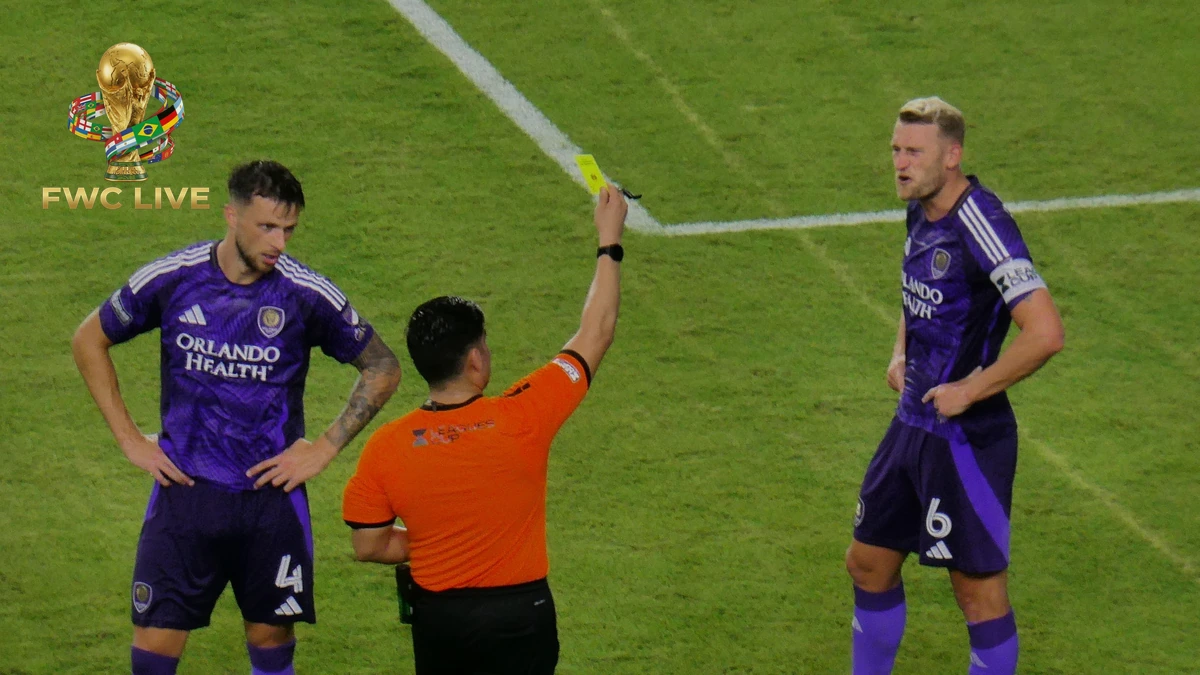
The World Cup 2026 yellow card amnesty discussion has become one of the most important late rules stories around the tournament. Reports on April 28 said FIFA is planning a second suspension reset point for yellow-card accumulation, which would reduce the risk of players missing the semifinal after bookings collected earlier in the knockout bracket. That matters more in a 48-team event because the knockout path is longer than before. For World Cup 2026, discipline management may soon become less punishing in the later rounds.
What the reported rule change would do
The reported plan would create two amnesty moments instead of one. Under the current tournament logic, yellow cards are wiped after the quarterfinals, which means a player can still miss a semifinal because of bookings collected earlier in the group stage or opening knockout rounds.
A second reset point would break that chain earlier. In practical terms, players would only be at risk of a one-game suspension if they picked up two yellow cards across the group stage or two across the first part of the knockout bracket before the semifinals. That would make the disciplinary system feel more proportionate across a longer format.
Why FIFA is looking at this now
The expanded format is the biggest reason. Teams now have to survive an extra knockout round compared with the 32-team era, so there are more opportunities for important players to accumulate cautions through normal competitive play rather than reckless behavior. FIFA appears to understand that the old disciplinary rhythm may not fit the new structure perfectly.
That broader logic matches other recent officiating and match-flow adjustments already confirmed for the tournament. FIFA and IFAB announced in February that rule changes affecting player behavior and VAR procedure will be implemented at the 2026 World Cup, so the disciplinary framework is already under active review before kickoff.
How the change would affect teams tactically
Managers would gain more freedom with aggressive midfielders and full-backs in high-leverage matches. At the moment, a player carrying one yellow often has to balance intensity with caution in ways that can change the tempo of a whole game. A second amnesty would remove some of that restraint deeper into the tournament.
That could make later knockout games cleaner from a sporting point of view. Coaches would still have to manage discipline, yet they would be less likely to lose a key defender or midfielder for a semifinal because of two ordinary cautions spread across several matches. In a tournament with a packed FIFA World Cup 2026 match schedule, that is a major competitive detail.
Why the semifinal issue matters so much
Semifinal suspensions always feel harsh because they remove players from one of the two biggest matches of the tournament without a red card being involved. Fans, coaches and even neutral observers usually accept punishment for dangerous play more easily than punishment for two separate yellow cards collected across different rounds.
That emotional factor is part of why the story is getting traction. FIFA wants the expanded World Cup to feel bigger, not more distorted by technical suspensions. A second reset point would help the sport's biggest matches feature more of the best players actually on the field.
What still needs to be confirmed
The key point is that the change has been widely reported, but FIFA still needs to publish the final tournament wording before it becomes official competition law. That means the direction looks strong, yet the exact trigger point and wording should still be treated as pending until the governing body formalizes it.
Even so, the substance of the proposal makes sense. A longer tournament needs a smarter suspension framework, and this is one of the clearest ways to adjust it without changing the basic discipline threshold. If confirmed, it will become an important part of pre-tournament strategy for every serious contender.
Frequently Asked Questions
What is the World Cup 2026 yellow card amnesty plan?
It is a reported FIFA plan to introduce a second yellow-card reset point so players are less likely to miss later knockout matches because of accumulation.
Why would FIFA change the yellow card rule for 2026?
Because the expanded 48-team format adds an extra knockout round and increases the chance of suspensions through normal accumulation.
Would players still be suspended after two yellow cards?
Yes. The threshold would still remain two bookings, but the reset structure would likely change.
Is the new World Cup 2026 yellow card amnesty official yet?
It has been widely reported, but FIFA still needs to publish the final competition wording before it is fully official.
The reported amnesty shift is not a cosmetic tweak. It would change how coaches manage risk and how fair the knockout path feels for elite players. If FIFA confirms it, this will become one of the most important competition-rule updates before the tournament starts.
Stay tuned to FWCLive.com for the latest FIFA World Cup 2026 updates.
Read Also: World Cup 2026 Could Use Two Yellow Card Reset Phases