
World Cup 2026 Stadiums
Kansas City Stadium (Arrowhead Stadium) — FIFA World Cup 2026 Guide
6 matches including a quarter-final, 67,513-seat tournament capacity, and ConnectKC26 Stadium Direct shuttle service from the Fan Festival site and park-and-ride locations — everything fans need to plan a trip to Arrowhead Stadium.

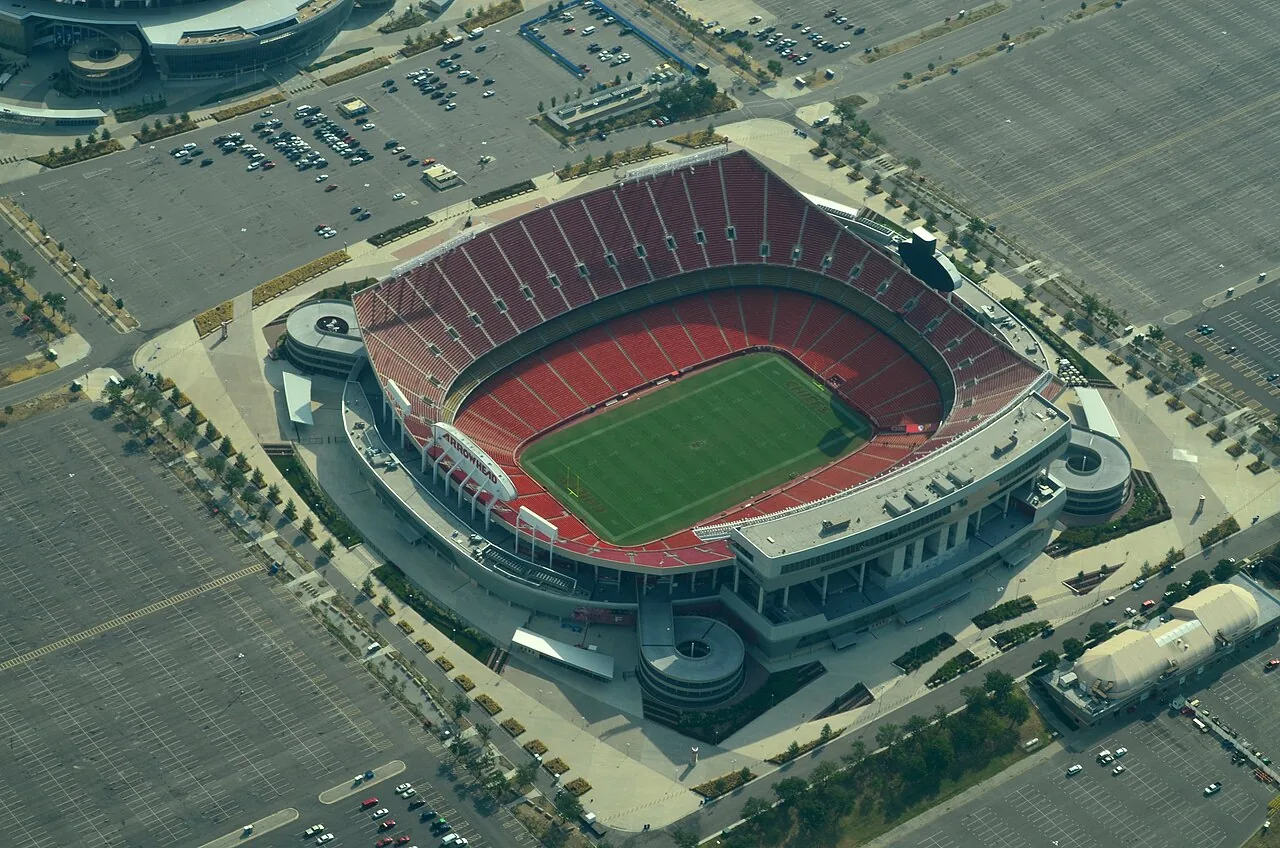
Kansas City Stadium, known locally as Arrowhead Stadium, is the official FIFA tournament name for the World Cup 2026 venue in the Truman Sports Complex in Kansas City, Missouri. FIFA has assigned 6 matches here, and the schedule reaches a quarter-final. That mix makes the ground important for both early travel planning and late-stage bracket watching.
Kansas City gives fans a different matchday problem than the seat map alone. Transit, airport access, security perimeters, and the stage of the tournament all shape how the day feels around the ground. Supporters can start at FIFA World Cup 2026 and compare this stop with the full schedule before locking dates and hotels.
Kansas City Stadium World Cup 2026 Schedule
Kansas City Stadium hosts 6 matches in total. The confirmed breakdown includes 4 group-stage matches, 1 Round of 32 tie and 1 quarter-final, so the venue stays relevant across more than one phase of the tournament. Fans who map those shifts early usually make better decisions on hotel nights, flight timing, and ticket priority.
Its crowd noise and quarter-final role give Kansas City rare atmosphere value. Demand does not rise evenly across a stadium calendar, so it helps to know whether the busiest window sits in the group stage or the knockout bracket. You can use the match center to see how each date connects to the wider tournament story.
| Date | Match No. | Fixture | Stage | Time (ET) |
|---|---|---|---|---|
| June 16, 2026 | 19 | Argentina vs Algeria | Group Stage | 21:00 ET |
| June 20, 2026 | 34 | Ecuador vs Curaçao | Group Stage | 20:00 ET |
| June 25, 2026 | 58 | Tunisia vs Netherlands | Group Stage | 19:00 ET |
| June 27, 2026 | 69 | Algeria vs Austria | Group Stage | 22:00 ET |
| July 3, 2026 | 87 | 1K vs 3D/E/I/J/L | Round of 32 | 21:30 ET |
| July 11, 2026 | 100 | Winner Match 95 vs Winner Match 96 | Quarter-final | 21:00 ET |
Kansas City Stadium Capacity
Capacity shapes more than atmosphere. It influences ticket scarcity, hospitality inventory, and how crowded concourses can feel once broadcast compounds and security zones take space. As a result, FIFA's net planning number matters more than the venue's normal event figure.
Tournament Capacity
67,513 seats are listed for Kansas City Stadium in FIFA ticketing support information. The final net number can still change because media positions, hospitality areas, and operational overlays may shift before matchday.
Usual Stadium Capacity
Arrowhead Stadium opened in 1972, and its regular event rhythm is not the same as a World Cup operating plan. FIFA branding, accreditation zones, and tournament hospitality can change how a familiar ground feels on the day.
Surface
Kansas City Stadium is planned for natural grass during World Cup matches. Surface preparation affects pace, bounce, and player footing, so it remains a serious part of venue planning.
Matches Hosted
Kansas City Stadium has 6 confirmed matches, with the highest stage listed as a quarter-final. A stadium with that workload gives supporters more than one reason to study it, because pressure changes from one round to the next.
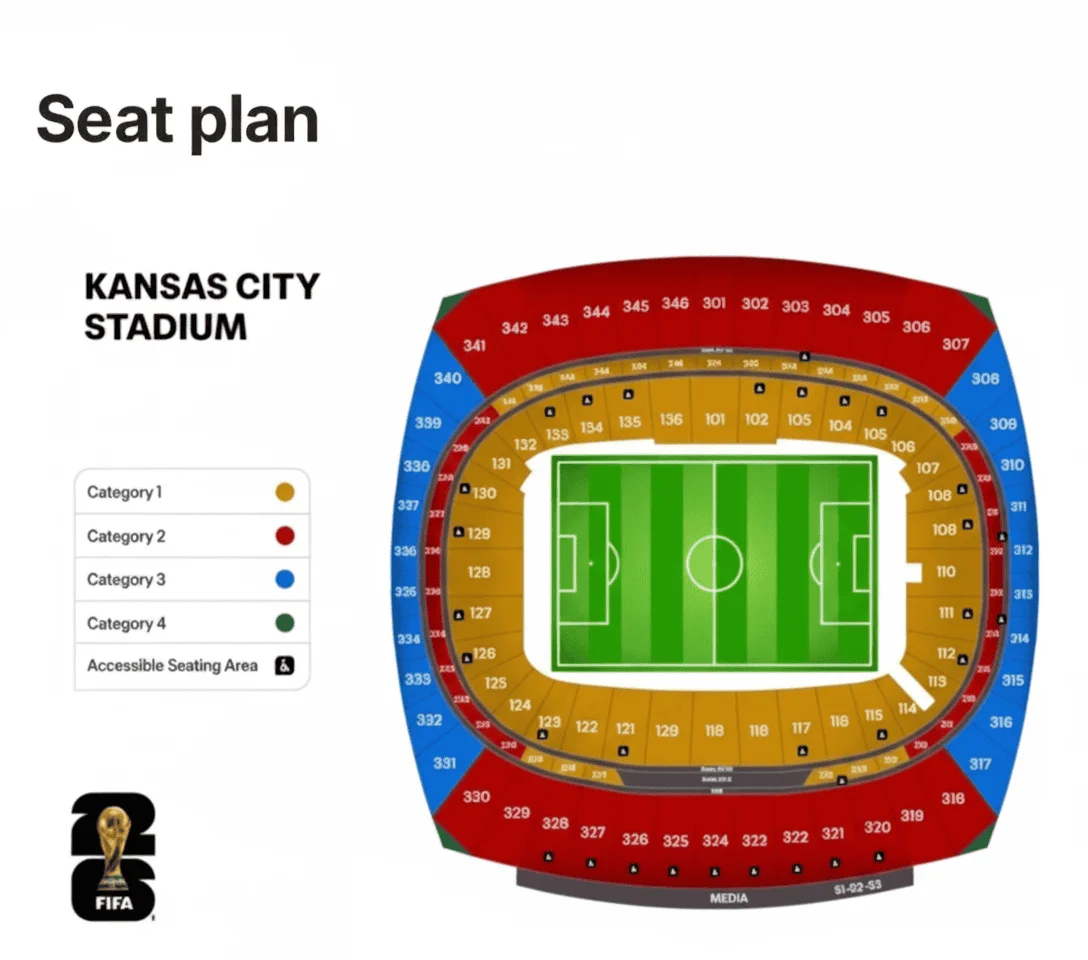
Kansas City Stadium Seating Map
Seat selection should follow match type as much as price. A quieter early group game and a knockout night do not feel the same inside the same bowl, so sightlines, access, and crowd intensity all deserve a second look before booking.
It also helps to think beyond the view itself. Long concourse walks, security queues, and post-match exits can feel very different by level, especially at high-demand venues. The World Cup 2026 host cities section helps because transport and fan-zone geography often decide whether a section is convenient or frustrating on the day.
Lower Bowl
Lower-bowl seats work best for supporters who want proximity to the pitch and a stronger sense of player speed. The noise usually feels sharper here, especially when host-nation or knockout matches arrive. The tradeoff is a flatter tactical view when play develops at the far end.
Mid Levels
Mid-level seating is often the safest all-round option for first-time visitors. Sightlines are cleaner, movement can feel easier, and the whole field stays readable without losing atmosphere. That balance makes these sections popular when supporters want one reliable choice for any round.
Upper Levels
Upper tiers usually give the clearest view of team shape and spacing. They also help budget-conscious fans stay inside the venue for the biggest dates without losing the full picture. The compromise is distance from small details and player reactions.
Premium Areas
Premium sections suit supporters who value comfort, shorter service lines, and a calmer pre-match rhythm. Hospitality access can also simplify long matchdays when weather and security become part of the experience. Availability will still tighten quickly once premium inventory opens for major fixtures.
Kansas City Stadium Location
Kansas City Stadium is straightforward to place on a map, yet the real matchday experience depends on the final approach to the ground. Major tournament venues create wider security perimeters, heavier transport surges, and longer exit waves than a normal domestic fixture. Fans who build time into that last stretch usually protect the whole day.
Location Basics
Address: 1 Arrowhead Dr, Kansas City, MO 64129, United States. Area: the Truman Sports Complex in Kansas City, Missouri. Nearest Transit: ConnectKC26 Stadium Direct shuttle service from the Fan Festival site and park-and-ride locations.
Matchday Guide
ConnectKC26 Stadium Direct shuttle service from the Fan Festival site and park-and-ride locations should be the first transport reference for most fans. Airport connectivity runs from Kansas City International Airport by road toward the Truman Sports Complex or downtown shuttle hubs, while final FIFA ticket-holder instructions may still refine exact routes. For a wider comparison, return to the full stadiums directory and judge this venue against the rest of the 2026 map.
Frequently Asked Questions
How many matches will Kansas City Stadium host at FIFA World Cup 2026?
Kansas City Stadium is scheduled for 6 matches in total, including 4 group-stage matches, 1 Round of 32 tie and 1 quarter-final. That spread gives Kansas City more than one planning window, so fans should compare group-stage dates with the later bracket demand.
What is the tournament capacity for Kansas City Stadium?
Kansas City Stadium is listed by FIFA ticketing support at 67,513 seats for the tournament configuration. The net capacity may still change because stadium layouts, broadcast space, hospitality areas, and security overlays can adjust before matchday.
Where is Kansas City Stadium located?
Kansas City Stadium is located at 1 Arrowhead Dr, Kansas City, MO 64129. The commercial venue name is Arrowhead Stadium, while FIFA uses the tournament name in match listings and ticketing materials.
Which major stage will be played at Kansas City Stadium?
Kansas City Stadium reaches a quarter-final in the confirmed World Cup 2026 schedule. That stage is the best quick signal for how intense demand may become around the venue's busiest matchday.
How do fans get to Kansas City Stadium on matchday?
ConnectKC26 Stadium Direct shuttle service from the Fan Festival site and park-and-ride locations is the main transit reference for Kansas City Stadium. Airport connectivity runs from Kansas City International Airport by road toward the Truman Sports Complex or downtown shuttle hubs. Quarter-final demand will make park-and-ride planning easier than direct stadium parking.
Conclusion
Kansas City Stadium gives Kansas City 6 World Cup 2026 matches, reaches a quarter-final, and offers its best practical value through ConnectKC26 Stadium Direct shuttle service from the Fan Festival site and park-and-ride locations. That combination makes the venue worth prioritising when fans compare ticket demand, hotel nights, and arrival routes.
Use the match dates, capacity number, seating layout, and transit notes together before choosing where to stay. The smartest plan is the one that treats the stadium, airport route, and kickoff time as one connected matchday decision.