

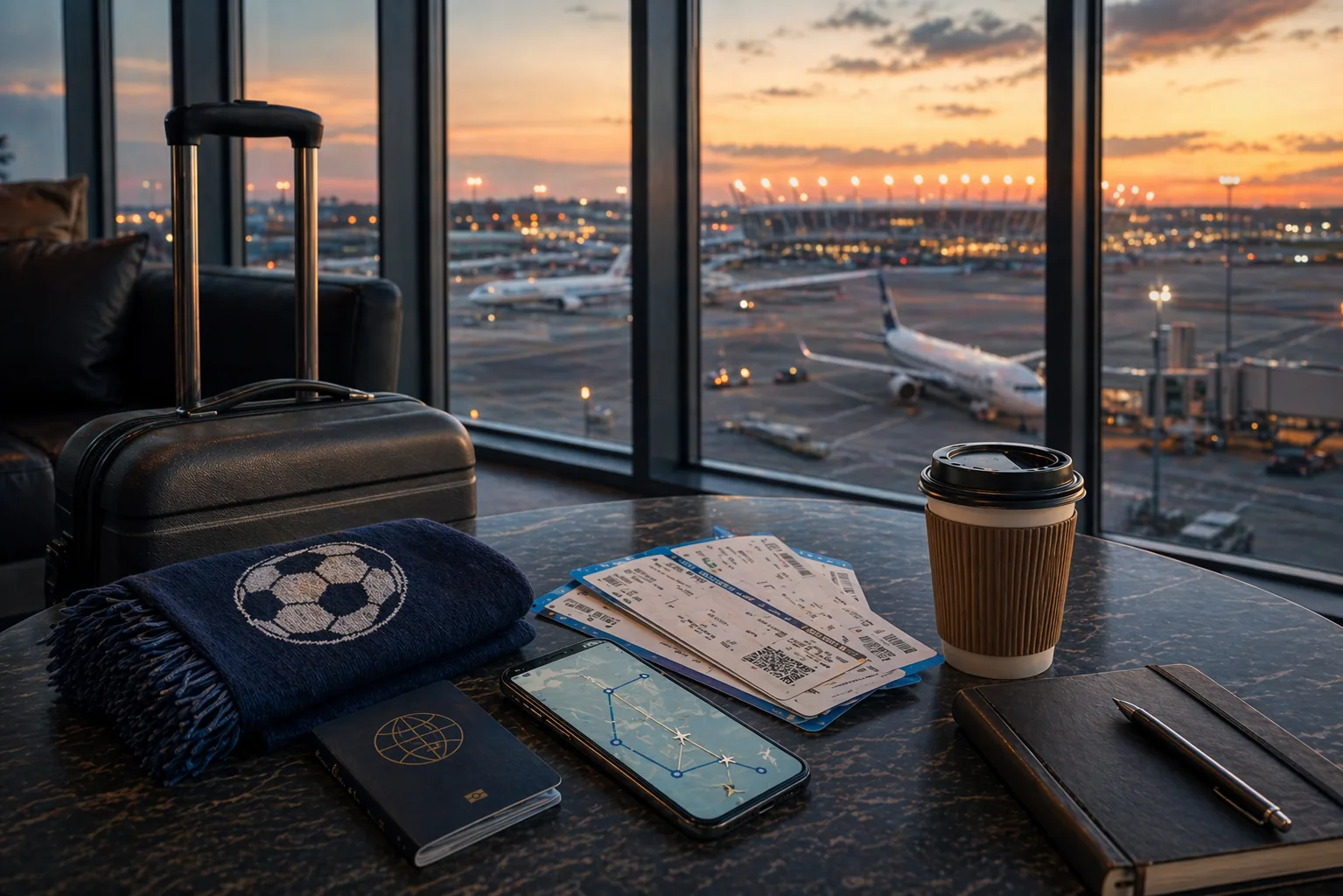
A good World Cup 2026 flights guide should save time, not only money. The cheapest fare is not always the best one for a football trip. Airport location, hotel transfer, and kickoff timing matter just as much.
Fans moving between host cities should think in route clusters, not random bargain fares. The best airport often depends on the next stadium, not the city name alone. Start from the FIFA World Cup 2026 hub only after the ticket plan is clear.
Which airports matter most for World Cup 2026
The strongest hubs for tournament movement are usually Atlanta, Dallas Fort Worth, Los Angeles, and the New York area. These airports carry wide domestic reach and strong frequency. They also help fans recover if one flight plan changes late.
Secondary airports can still be useful when they fit the hotel better. Logan works well for Boston, YVR is ideal for Vancouver, and Sea-Tac is the cleanest Seattle gateway. The right airport is the one that shortens the whole day.
Final-week travel needs even more care because hotel and airport pressure rise together. A short transfer can be worth more than a lower fare. The flight that leaves breathing room often becomes the smarter buy.
| Airport | Best Use | Why It Helps |
|---|---|---|
| ATL | Eastern and southern connections | Huge domestic route depth |
| DFW | Texas and central routing | Strong national coverage |
| LAX | West Coast and long-haul arrivals | Large network and major international reach |
| EWR, JFK, LGA | Final week and Northeast routing | Multiple airport options in one market |
| YVR | Vancouver trips | Direct rail link into downtown |
Best host city flight patterns
The easiest air routes are usually the long jumps that road or rail cannot handle well. Miami to New York, Los Angeles to Seattle, and Dallas to Vancouver are good examples. These flights protect energy better than forcing a longer land transfer.
Some regions do not need a flight every time. The broader World Cup 2026 multi-city trip planning helps separate air routes from the corridors that work better by rail or road. A tournament week feels better when flights are used where they truly help.
Fans should also think about arrival quality, not only journey length. A late landing far from the hotel can feel worse than a longer flight into the right airport. Good air planning protects the next morning as much as the next match.
When a cheaper airport is not really cheaper
Fans should always price the last transfer, not only the flight. A lower fare can lose value when the airport sits far from the hotel or stadium. That extra cost often arrives in rides, time, and stress.
Early morning departures can also hurt the next matchday more than many fans expect. A slightly later flight may be worth more when the night before ends late. That trade-off matters in almost every host cluster.
Best flight logic by region
Eastern jumps often work well by air once the route leaves the Northeast rail corridor. The World Cup 2026 eastern region travel helps compare those air choices against rail and hotel timing. Atlanta is especially useful as a hub when the east needs one anchor airport.
The west still needs more flights because distances stay larger. The World Cup 2026 western region travel explains where air travel beats overland options across Los Angeles, San Francisco, Seattle, and Vancouver. West Coast plans get better when fans stop fighting the map.
Texas and the wider center can go either way depending on match spacing. The World Cup 2026 central region travel helps decide when Dallas, Houston, and Mexico should be flown rather than driven. This is where ticket timing changes the answer most.
What to check before booking a tournament flight
Fans should compare airport to hotel first, then hotel to stadium second. That order shows the real value of the fare. It also protects the route from bad arrival timing.
Baggage rules, refund terms, and schedule resilience matter too. One cheap fare with strict change rules can become expensive after one match move. Flexible logic usually beats the flashiest deal.
A working phone, backup battery, and clean booking folder make airport days smoother. These are small things, yet they reduce the chance of one bad transfer damaging the trip. The practical details still win.
Fans with several city hops should also avoid stacking the weakest airport day before the biggest match. Save the hardest transfer for a calmer part of the route. That simple move can improve the whole week.
Frequently Asked Questions
What is the best airport for World Cup 2026 final travel?
For the final area, Newark, JFK, and LaGuardia all matter. The best choice depends on hotel location and transfer time.
Should fans choose the cheapest flight between host cities?
Not always. A cheaper fare can lose value when the airport sits far from the hotel or arrives at a bad time.
Which routes are easiest by air?
Long jumps such as Miami to New York often work best by air. The same is true for Los Angeles to Seattle and Dallas to Vancouver.
Can fans build a World Cup 2026 trip around one airport hub?
Yes. Large hubs like Atlanta, Dallas Fort Worth, Los Angeles, and New York can anchor a wider route if tickets fit.
Conclusion
The best World Cup flights are the ones that help the full route breathe. Good airport choice, honest timing, and smarter hotel links matter more than one flashy discount. Fans who plan that way usually move better.
Book the flight that improves the whole day, not only the booking screen. That approach keeps the trip lighter and the matchday sharper. In a tournament this big, clean air logic is a real advantage.