

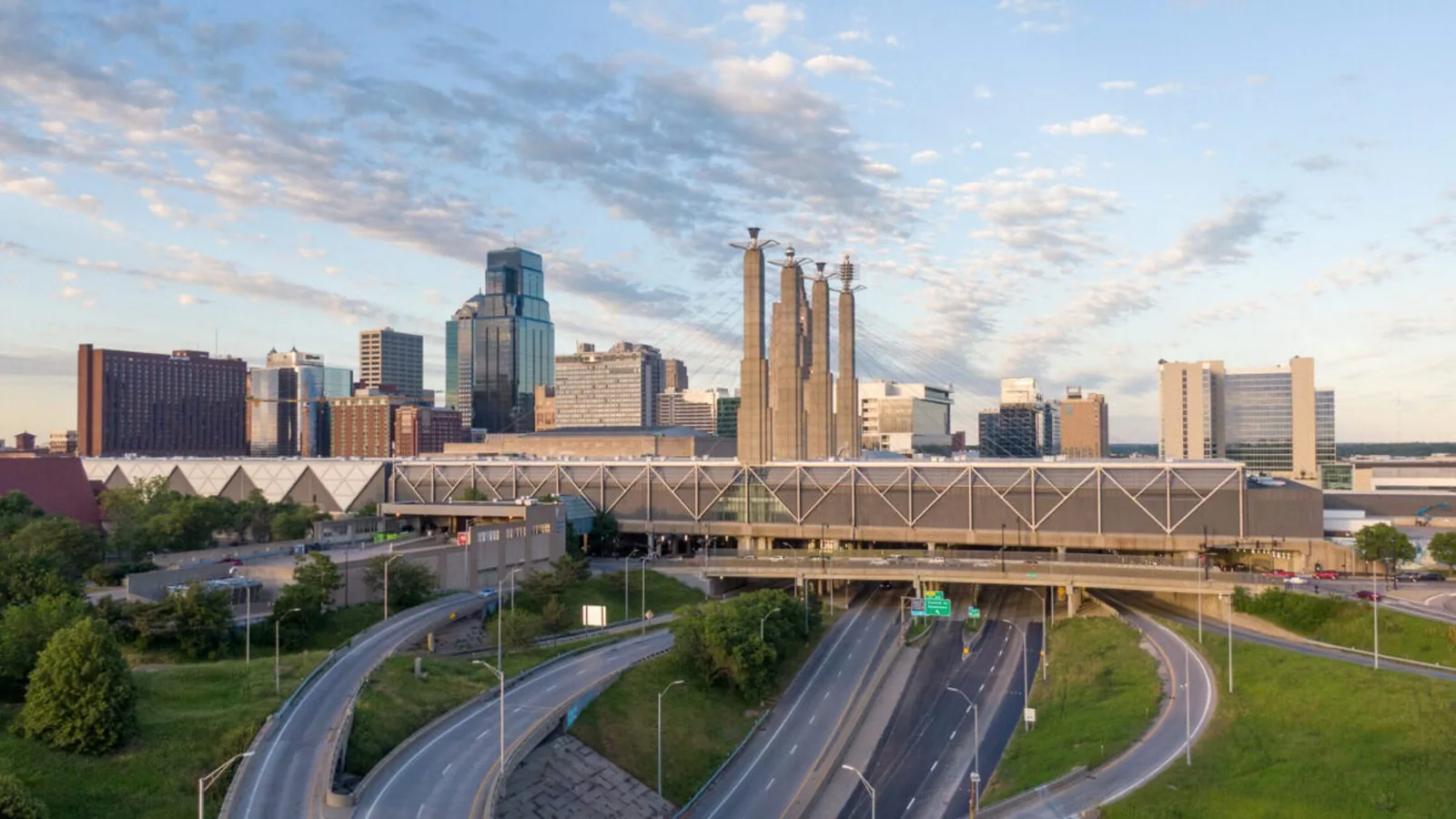
The Kansas City World Cup 2026 hospitality surge is now moving from theory into operating reality. Local television coverage has started focusing on how hotels, restaurants, and visitor-facing businesses are preparing for a much larger summer crowd. That matters because Kansas City has already spent months upgrading roads, fan-festival plans, and security systems around the tournament. The next challenge is more human: staffing, service quality, and the ability to absorb demand without letting the city feel stretched.
Why Kansas City is treating hospitality as a major tournament issue
Hospitality is not a side detail in a host-city build-up. It determines how the event feels once supporters arrive. A city can improve roads and public spaces, yet the visitor experience still depends on rooms, restaurants, service teams, and the pace of day-to-day operations. That is why the latest Kansas City discussion matters. Businesses are no longer talking about the World Cup as a distant branding opportunity. They are treating it as a real test of capacity.
The timing also makes sense. The tournament is close enough that staffing and training choices now affect the finished product. Hotels need to think about turnover speed, multilingual service, and peak-day patterns. Restaurants need to plan for extended demand windows rather than a single event spike. In other words, the city is moving from excitement into execution.
What local operators appear to be preparing for
The central question is volume. Hospitality workers want a clearer sense of how many supporters may actually move through the city and what those visitors will expect once they arrive. That uncertainty matters because football traffic is not identical to a normal convention crowd or a domestic sports weekend. Matchday demand can come in waves, and the mix of international and regional travelers changes what businesses have to prepare for.
That is why readiness now looks broader than simple room inventory. Operators need to think about transport timing, early dining peaks, late crowd release, and the possibility that fan activity spreads beyond the stadium district. Kansas City is already planning for wider public events around the tournament. So the hospitality sector has to prepare for a citywide summer pattern rather than a single-neighborhood surge.
How this links with Kansas City's wider World Cup build-up
The hospitality story fits neatly with the infrastructure work already under way. Kansas City has been active on road completion, public-safety drills, and fan-festival readiness, which means the service sector is effectively the next layer of the same project. Once the physical systems are in place, the next question becomes whether the city can actually host at the standard it wants to project. That is where hotels, bars, restaurants, and tourism staff become central to the tournament identity.
This wider connection matters because visitors do not experience planning in separate departments. They judge the trip as one continuous journey. If transport is smooth but room service, check-in, and restaurant access feel chaotic, the city still loses part of the value of its preparation work. Hospitality readiness is important because it joins all the earlier investment together in a way supporters can actually feel.
What supporters should take from the Kansas City signal
For fans, the message is straightforward. Kansas City expects the tournament to create a serious demand wave, so early planning remains the safer move. Waiting for late bargains may look tempting, yet host-city markets usually harden as the event gets closer. That can affect room price, restaurant access, and the ease of building a full matchday around the game itself.
The local mood is still positive, which matters. Businesses appear to be treating the World Cup as a chance to show the city at its best rather than as a burden. Even so, positive intent is not enough on its own. The final weeks before kickoff will decide whether Kansas City converts preparation into a smooth visitor experience. Right now, the hospitality sector is working to make sure it does.
Frequently Asked Questions
Why is Kansas City hospitality in focus before World Cup 2026?
Because the city expects a much larger summer visitor load and businesses need to prepare staffing, service, and operating plans early.
Which Kansas City businesses are part of this World Cup build-up?
Hotels, restaurants, tourism teams, and other visitor-facing operators are all part of the preparation effort.
How does hospitality fit into Kansas City's wider World Cup plan?
It sits alongside transport, public-safety, and fan-festival work as one of the main pillars of host-city readiness.
What should supporters do if they plan to stay in Kansas City?
They should sort rooms, transport, and matchday spending plans early because demand is expected to rise as the tournament approaches.
Kansas City has already shown visible progress on roads and public-event planning. The next proof point is whether the hospitality sector can match that progress when supporters finally arrive.
Stay tuned to FWCLive.com for the latest FIFA World Cup 2026 updates.
Read Also: Kansas City Hotel Demand For World Cup 2026 Starts Softer Than Expected