

Kansas City World Cup 2026 hotel demand is still rising. Yet local operators say the surge has not matched earlier hopes. That makes this more than a small travel note. Kansas City is one of the key U.S. host cities for FIFA World Cup 2026, so softer booking momentum matters well beyond one hotel desk. It raises a sharper question about when supporters will actually commit their money.
What Local Operators Are Seeing
KSHB and Scripps News both reported that some local hotels are still waiting for a bigger booking wave. The American Hotel and Lodging Association pointed to slower pickup in the market. That does not mean demand is absent. It means the shape of demand has changed, and operators are adjusting in real time.
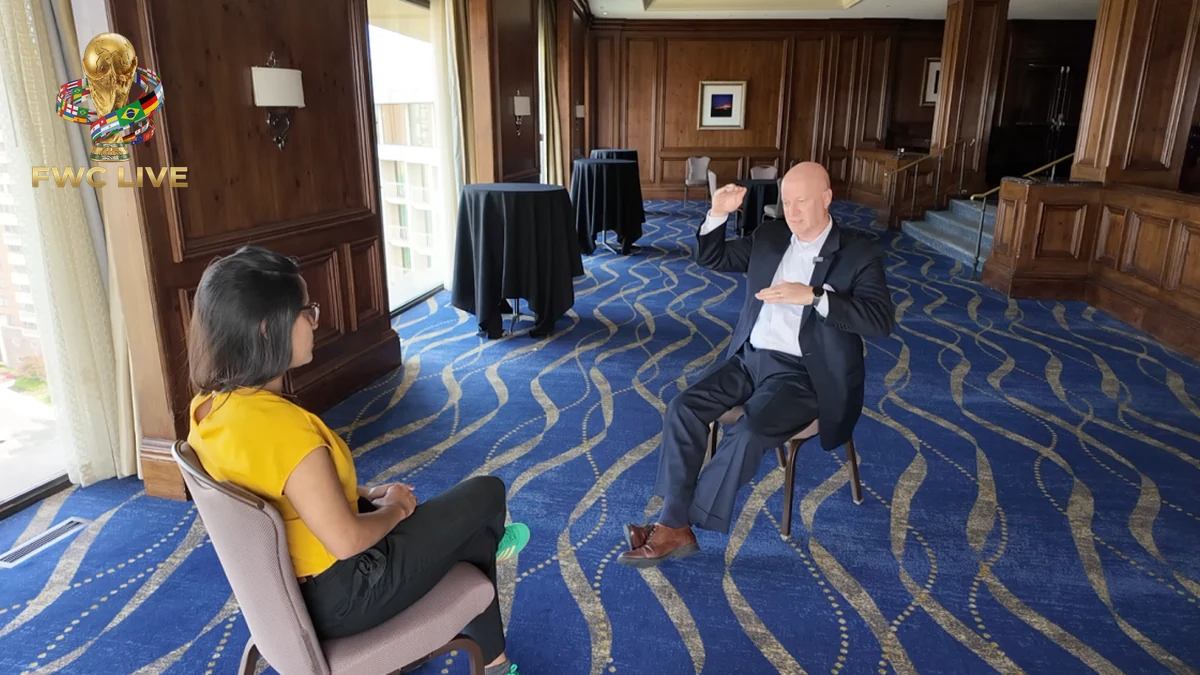
Jeff Keeley, general manager of the InterContinental Kansas City at the Plaza, described the mood clearly. He said, “It's probably not the bloom that we were expecting, but it's still early.” That quote matters. It captures the current split in the market. There is belief in the event, yet there is less confidence in the timing of the revenue spike.
Short-term rental operators are seeing a similar tension. They still expect major matchday activity. Yet some are also talking about uneven pricing and staggered bookings instead of one huge rush. That makes the market look more selective than explosive. In practical terms, fans and operators are still trying to find the true price line together.
Why The Booking Pattern Looks Different
Visit KC said booking windows are shortening, with more last-minute decisions shaping the market. That explanation fits the wider tournament economy. Fans are dealing with ticket costs, travel timing, and group-stage uncertainty at the same time. So many are delaying hotel decisions until more pieces of the trip are fixed.
Kansas City also sits inside a broader cost conversation around the tournament. Airfare, lodging, and transport costs are now part of the same planning puzzle for many supporters. A fan who is still waiting on match tickets may not want to lock a premium hotel rate too early. That can make a healthy market look softer than it really is in the short term.
There is another factor as well. Some early projections were built on mega-event logic, where every room seems guaranteed to fill. World Cup travel does not always move that way. Supporters spread across several cities. Many stay with friends or groups. Some only commit once the World Cup schedule feels real to them. Kansas City may simply be seeing a later curve than initial forecasts assumed.
What It Means For Fans And The City
Soft early demand does not automatically mean fans will find cheap rooms near kickoff. In fact, it can create a two-speed market. Some hotels may hold rates while they wait for late buyers. Others may fine-tune pricing earlier to pull in hesitant bookings. That makes Kansas City a market worth tracking closely rather than judging too soon.
This also matters for how the host city presents itself. Hotel confidence is part of host city planning. Room supply affects fan movement, sponsor travel, media operations, and matchweek energy. If bookings come late, the city can still fill up. Yet the business rhythm behind the event becomes less predictable for operators preparing months ahead.
The cleanest reading today is balanced. Kansas City still has genuine World Cup pull. Yet the booking curve looks less dramatic than some expected. That should not be confused with failure. It shows supporters are shopping more carefully. They are also watching transport costs and committing later than the old mega-event model assumed.
Frequently Asked Questions
What changed with Kansas City World Cup 2026 hotel demand?
Kansas City hotel operators say World Cup 2026 bookings are lagging behind early hopes, even with demand still building toward kickoff.
Why is Kansas City World Cup 2026 hotel demand important now?
Kansas City World Cup 2026 hotel demand is still rising. Yet local operators say the surge has not matched earlier hopes.
What should fans watch next on Kansas City World Cup 2026 hotel demand?
KSHB and Scripps News both reported that some local hotels are still waiting for a bigger booking wave.
Kansas City is still in play for a strong World Cup summer. Yet the hotel story now looks later and steadier than the early hype suggested.
Timing is the main issue, not interest. The next few weeks should show whether late demand closes the gap.
Stay tuned to FWCLive.com for the latest FIFA World Cup 2026 updates.
Read Also: World Cup 2026 India And China Rights Gap Still Open