

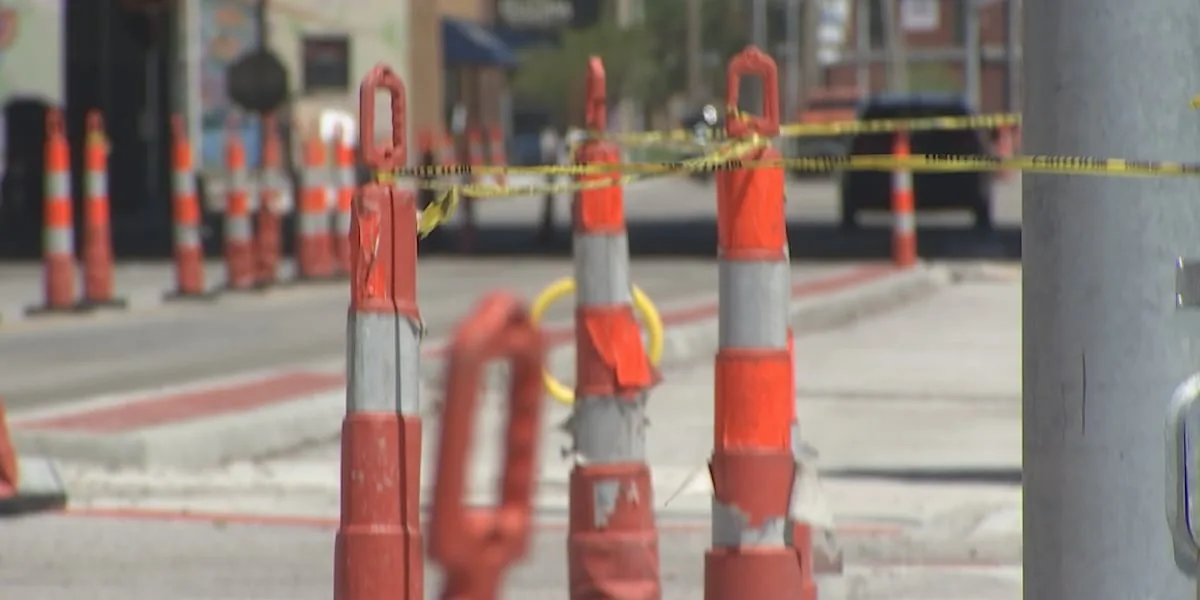
Kansas City says several World Cup road projects are close to completion before tournament summer. City leaders are trying to remove as much transport friction as possible ahead of one of the region's biggest event periods. That matters because road access will shape the matchday experience long before fans reach the stadium gates. For FIFA World Cup 2026 planning, local infrastructure work is now entering its final phase.
Why the timing matters
Late road works can undermine even strong host-city planning. If the biggest corridors are still disrupted when tournament traffic arrives, shuttle routes, local driving patterns, and service timings all become harder to manage. That is why the city is pushing the message that its main projects are approaching the finish line. The point is to reassure residents as much as visiting supporters.
The wider tournament frame makes that push logical. Kansas City is one of the World Cup host cities, so transport readiness affects its image beyond the local market. A smoother approach network reduces the risk of first-impression problems around congestion and signage. In practical terms, road projects can influence the event long before any World Cup matches begin.
What the city is trying to protect
The source presents the work as part of a broader attempt to clear the city for a global event window. That means the issue is not only whether a single project ends on time. It is whether a set of major corridors can function cleanly once tourist, media, and matchday volumes rise together. So the strategy is really about protecting reliability across the host period.
That matters because supporters do not travel in a neat sequence. They move between hotels, fan areas, downtown gathering points, and the stadium environment. If road construction is still biting into those movements, the entire city can feel less ready than it actually is. Finishing visible projects early is one of the simplest ways to reduce that risk.
How transport readiness shapes the host-city picture
Host-city preparation is often judged through big headlines such as security, fan festivals, or stadium upgrades. Yet ordinary road access can be just as important. Visitors notice whether routes are clear, whether diversions are easy to follow, and whether local traffic systems look under control. That is why Kansas City's construction timeline belongs in the broader World Cup schedule conversation.
It also links to the city's wider event build-up. Kansas City has already used visible tournament moments to signal its readiness, including the recent Kansas City World Cup trophy visit. Road projects are less glamorous, yet they matter more once crowds arrive. They determine whether the city can convert public excitement into a functioning matchday experience.
What supporters should expect
The practical reading is cautious but positive. Officials are signalling that the biggest construction concerns should ease before tournament demand peaks. That does not mean every local journey will suddenly become simple. It means the city expects fewer major infrastructure obstacles once the event window opens.
For supporters, that should make travel planning slightly easier over the next stretch. Clearer roads support buses, private transport, media operations, and service logistics at the same time. In a tournament spread across multiple World Cup stadiums, those background systems can make the difference between a city that feels stressed and one that feels ready.
Why this is a meaningful late-stage signal
By this point in the phase, cities do not need more broad promises. They need visible signs that operational obstacles are shrinking. Road construction reaching completion is one of those signs because it can be seen, measured, and felt by everyday users. That is why the update lands as a meaningful readiness marker rather than routine municipal language.
Kansas City still has other parts of the host build to manage, yet transport clearance is one of the most important boxes to tick. A city can stage brilliant ceremonies and still frustrate fans if the route in and out feels broken. That is why the progress on roads deserves a place among the more obvious tournament headlines.
Frequently Asked Questions
Why are Kansas City road projects important before the World Cup?
They affect how smoothly fans, staff, and local traffic can move once tournament demand rises.
What is the main message from the update?
Officials say key construction work is nearing completion before the tournament summer.
What should fans watch next on Kansas City World Cup road projects?
It shapes the wider travel experience around fan areas, hotels, and stadium approach routes.
Kansas City is now trying to turn visible road progress into visible tournament readiness. If the main corridors clear on time, one major host-city risk will have been reduced before kickoff.
Stay tuned to FWCLive.com for the latest FIFA World Cup 2026 updates.
Read Also: Philadelphia World Cup 2026 Fan-Friendly Plan Stands Out Before Kickoff