
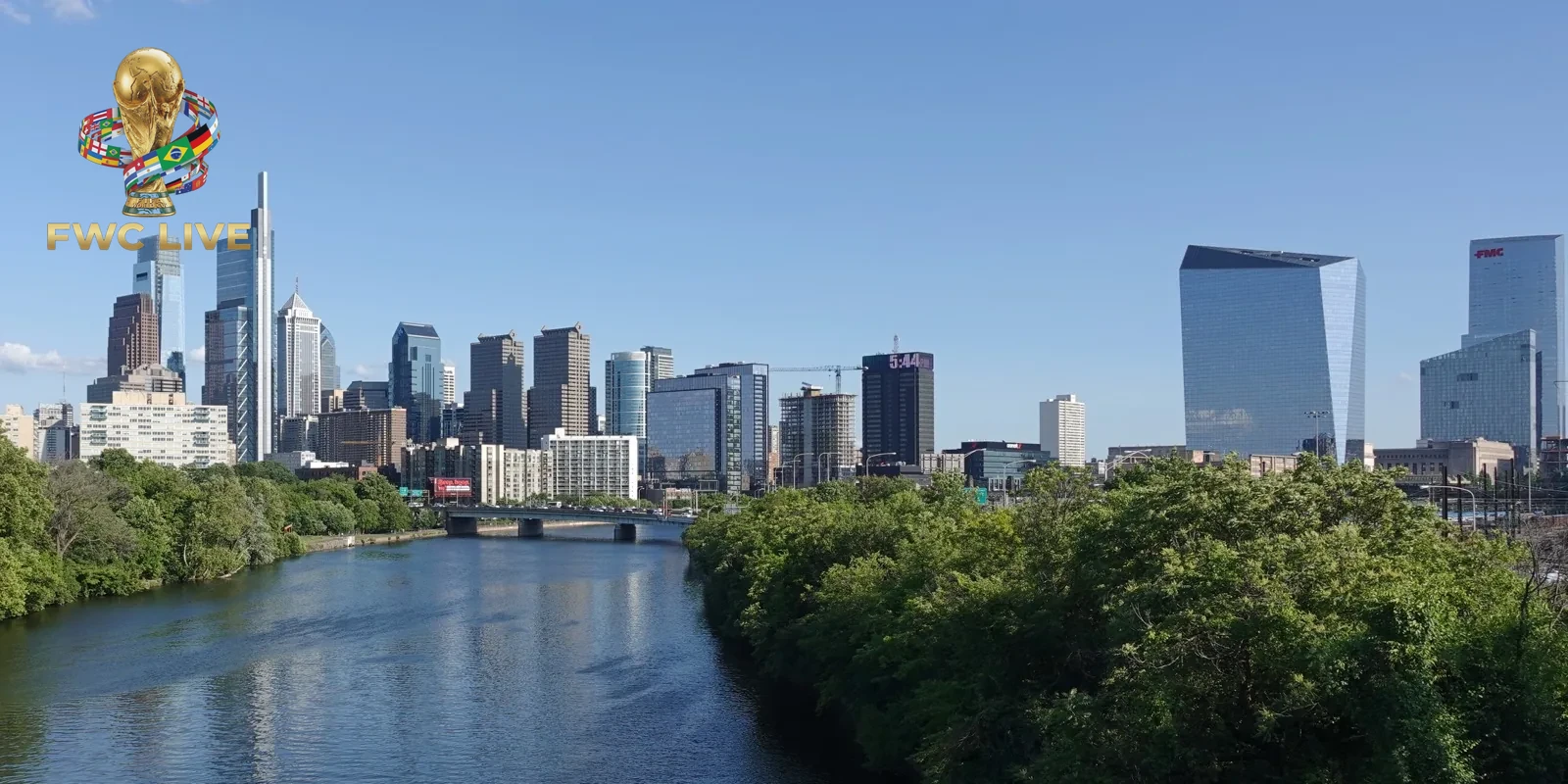
The Philadelphia World Cup 2026 fan-friendly plan is starting to look stronger than many rival host-city packages. Organizers have kept normal transit fares low, left the fan festival free for the full 39-day tournament, and preserved a tailgating culture that local supporters already understand. That combination gives Philadelphia a more familiar matchday feel than several bigger markets. For World Cup 2026 fans, that difference is becoming easier to measure.
Why Philadelphia is getting favorable comparisons
The cleanest contrast is transport. Philadelphia has held ordinary SEPTA pricing at 2.90 dollars for the trip in and has already confirmed free post-match rides from NRG Station after games. That keeps the city far below the premium prices seen in other host corridors.
The comparison has become sharper because nearby markets moved the opposite way. The debate around MetLife Stadium train fares pushed supporters to compare host cities on total trip cost, not only ticket cost. Philadelphia is benefiting from that side-by-side test.
The fan festival and tailgating details matter
Philadelphia is also keeping its main fan festival free for all 39 days of the tournament. That is a major choice because free entry makes it easier for local families, neutral fans and travelers without match tickets to stay part of the event every day.
Tailgating is another advantage. Several tournament venues have tightened or complicated pre-game parking culture, but Philadelphia still presents a stadium environment that feels familiar to Eagles supporters. At Lincoln Financial Field, that local identity matters because matchday habits can shape the whole fan experience.
How long-term planning helped the city
Local leaders say the planning posture started years before the final countdown. Philadelphia positioned itself as a host city built around supporter experience during the evaluation phase, then continued to refine the operational model once hosting was confirmed.
Private backing also helped. More than 60 businesses are reported to have supported the effort, which reduced pressure on public budgets and gave organizers more room to shape fan-facing decisions. That financial structure is one reason the city has avoided some of the harder tradeoffs visible elsewhere.
It also explains why the city can keep talking about experience instead of damage control. Supporters usually notice price shocks, access limits and unclear entry rules first. Philadelphia has tried to remove those friction points before they dominate the tournament mood.
What still needs to be executed well
A friendlier plan only matters if the city delivers it on event days. Crowd exits, festival security, wayfinding and neighborhood traffic will still decide whether the model feels smooth in real time. That is why the existing Philadelphia World Cup 2026 transport plan remains such a key supporting detail.
Still, the strategic picture is already favorable. Philadelphia has found a way to look accessible without looking underprepared. In the final weeks before kickoff, that is a valuable place for any host city to be.
The city also benefits from clearer identity than some rivals. Fans know what a South Philadelphia sports day feels like, so the World Cup plan does not need to invent a culture from scratch. It only needs to translate that culture for an international crowd.
Frequently Asked Questions
Why is Philadelphia being praised before World Cup 2026?
Because the city has combined low transit costs, a free 39-day fan festival and a more familiar tailgating culture than several rival hosts.
How much is normal SEPTA fare for Philadelphia World Cup trips?
The city has kept the normal inbound fare at 2.90 dollars, with free post-match rides already confirmed after games.
Will Philadelphia charge for its main fan festival?
No. The fan festival is set to remain free throughout the 39-day tournament window.
How many matches will Philadelphia host?
Philadelphia is scheduled to host six men’s World Cup matches in 2026.
Philadelphia still has to deliver under pressure, but its plan already looks unusually coherent. Cheap movement, free access and familiar pre-game habits are not small details. They are the reasons the city is now being held up as a model host.
Stay tuned to FWCLive.com for the latest FIFA World Cup 2026 updates.
Read Also: Philadelphia World Cup 2026 transport plan adds free SEPTA rides after matches