
Lay's World Cup 2026 campaigns have shifted from routine sponsorship to full tournament storytelling. The snack brand has launched a global push across nearly 90 markets and a separate U.S. campaign built for newer fans. That matters because FIFA World Cup 2026 will be staged in North America, where global football enthusiasm and casual event interest often move at different speeds. Lay's is trying to catch both audiences at once.
What Lay's Has Put Into The Market
The global side of the launch keeps Lay's long-running No Lay's, No Game platform in place. The company says that campaign is now entering its fourth year and will run across nearly 90 markets. Its lead creative revolves around an Epic Watch Party with Alexia Putellas, Lionel Messi, David Beckham, Thierry Henry, and Steve Carell. Lay's is using familiar faces to make the ad travel across regions without changing the core message.
The second campaign is more targeted. Bandwagon is a U.S.-specific push meant to capture people who may join the tournament because of scale, noise, and shared event culture rather than deep football knowledge. That is a sharp decision. North America will generate huge casual traffic during the tournament, so a single global script would not fully address that audience. Lay's appears to understand that a host-market World Cup needs a local emotional entry point.
The social layer is large as well. Lay's says its Epic Watch Party Channel on WhatsApp has already crossed 10 million followers. That gives the campaign a live conversation arm instead of leaving it as television or digital video only. In commercial terms, that is one of the more useful signals in the whole release. The brand is not only buying awareness. It is building a repeat-touch environment that can stay active throughout the tournament.
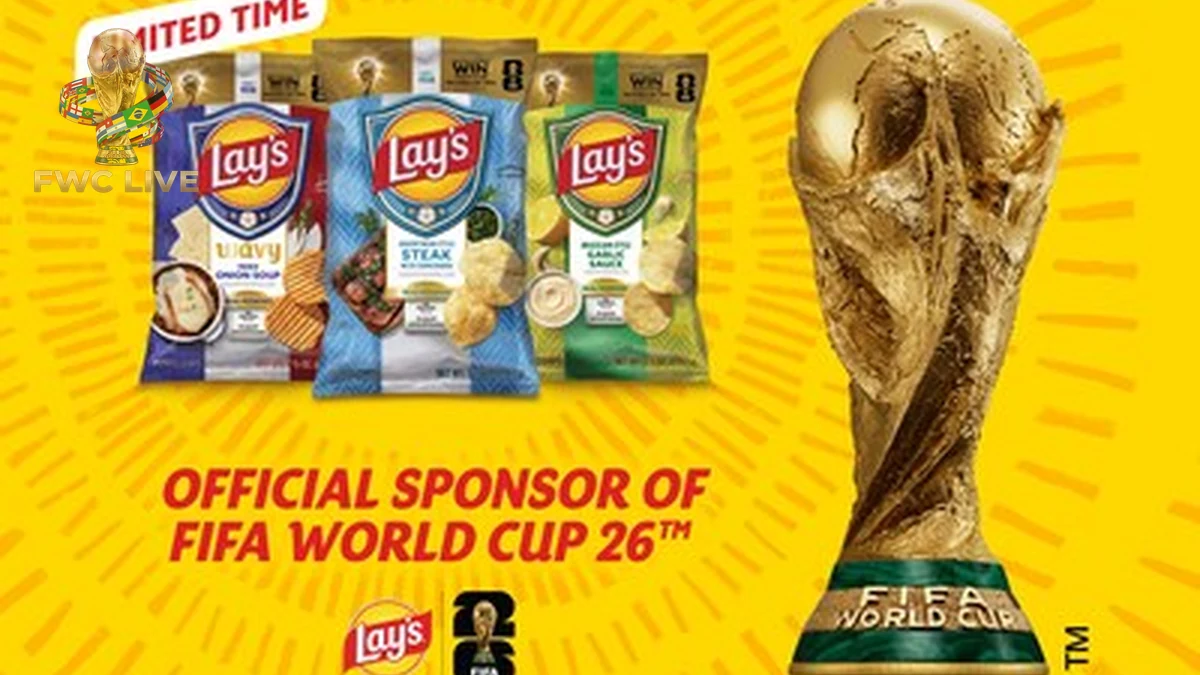
The release also ties into a broader product push. Lay's is using globally inspired flavors and campaign assets to make the tournament visible in stores as well as on screens. That is important because football sponsors often struggle to turn tournament rights into everyday retail behavior. Lay's has a clearer lane than most. It can connect match nights, supermarket displays, and fan rituals inside one campaign frame.
Why The Split Strategy Makes Sense
A North American World Cup creates a different commercial map from Qatar or Russia. The U.S. market is huge, yet not every potential viewer arrives as a committed football supporter. At the same time, many international markets already understand the event on instinct. So Lay's has divided its message instead of flattening it. One campaign rewards existing football culture. The other invites lighter users into the moment without asking them to act like experts.
That split also fits the wider World Cup sponsor map. Brands are no longer using one ad and hoping it stretches everywhere. They are building layered campaigns around markets, fan types, and host-city energy. Lay's can do that because snacks travel well across settings. A watch party, a supermarket, and a family gathering all fit the same product logic. As a result, the brand has more room than most sponsors to keep repeating the tournament message without feeling forced.
The casting choices underline that point. Messi, Putellas, Beckham, and Henry speak to football credibility. Steve Carell speaks to entertainment reach. Together they create a crossover tone that mirrors the event itself. The World Cup will still be a football competition first, yet the off-pitch audience in 2026 will be much larger than the audience for tactics or lineups alone. Lay's is clearly building for that broader cultural spread.
This approach also gives the company better odds of staying visible deeper into the tournament. Global fans can engage with the core campaign throughout the month. U.S. viewers can grow into the event through Bandwagon as match stakes rise. That staggered demand is commercially valuable. It reduces the risk of spending everything at kickoff and then fading when the calendar gets crowded.
What It Says About The 2026 Business Race
This move says the sponsor battle around the tournament is getting more sophisticated. Visibility alone is no longer enough. Brands want programmable channels, local behavior, and daily relevance. Lay's has used its FIFA World Cup 2026 rights to build all three at once. That should keep the campaign active across matchdays, shopping trips, and social follow-up.
It also puts pressure on other sponsors to sharpen their own story. The World Cup sponsor map has already widened beyond the standard FIFA-wide deals, and local activations are becoming more important. A campaign that feels flexible across 90 markets sets a high bar. Sponsors with weaker consumer touchpoints may find it harder to hold attention once the tournament calendar accelerates.
For supporters, the practical takeaway is simple. Lay's will be visible almost everywhere around the tournament, from broadcast creative to chat channels and retail shelves. That does not change the football, yet it does shape how the event feels in daily life. The tournament is moving further into mainstream culture, and this campaign is one sign of that shift.
So the news is bigger than one snack ad. Lay's is treating the tournament as a global behavior moment and a host-market conversion play at the same time. That dual plan should keep it among the most noticeable commercial brands of the 2026 build-up.
Frequently Asked Questions
What changed with Lay's World Cup 2026 campaigns?
Lay's has launched a bigger World Cup 2026 marketing plan, mixing a global campaign with a separate U.S. push for casual fans.
Why is Lay's World Cup 2026 campaigns important now?
Lay's World Cup 2026 campaigns have shifted from routine sponsorship to full tournament storytelling.
What should fans watch next on Lay's World Cup 2026 campaigns?
The global side of the launch keeps Lay's long-running No Lay's, No Game platform in place. The company says that campaign is now entering its fourth year and will run across nearly 90 markets.
Lay's is not relying on rights ownership alone to stay visible.
It is building a campaign system that can follow fans from stores to screens and into the tournament itself.
Stay tuned to FWCLive.com for the latest FIFA World Cup 2026 updates.