
Mexico World Cup 2026 anti-piracy drive is becoming a bigger tournament story as authorities move against counterfeit goods and illegal branding. The update matters because the Mexico World Cup 2026 Anti-Piracy Drive story now sits inside the final run toward the tournament. Fans, teams and host cities are watching every operational detail more closely as the FIFA World Cup 2026 moves from planning into delivery.
Why Mexico World Cup 2026 Anti-Piracy Drive Is Moving Now
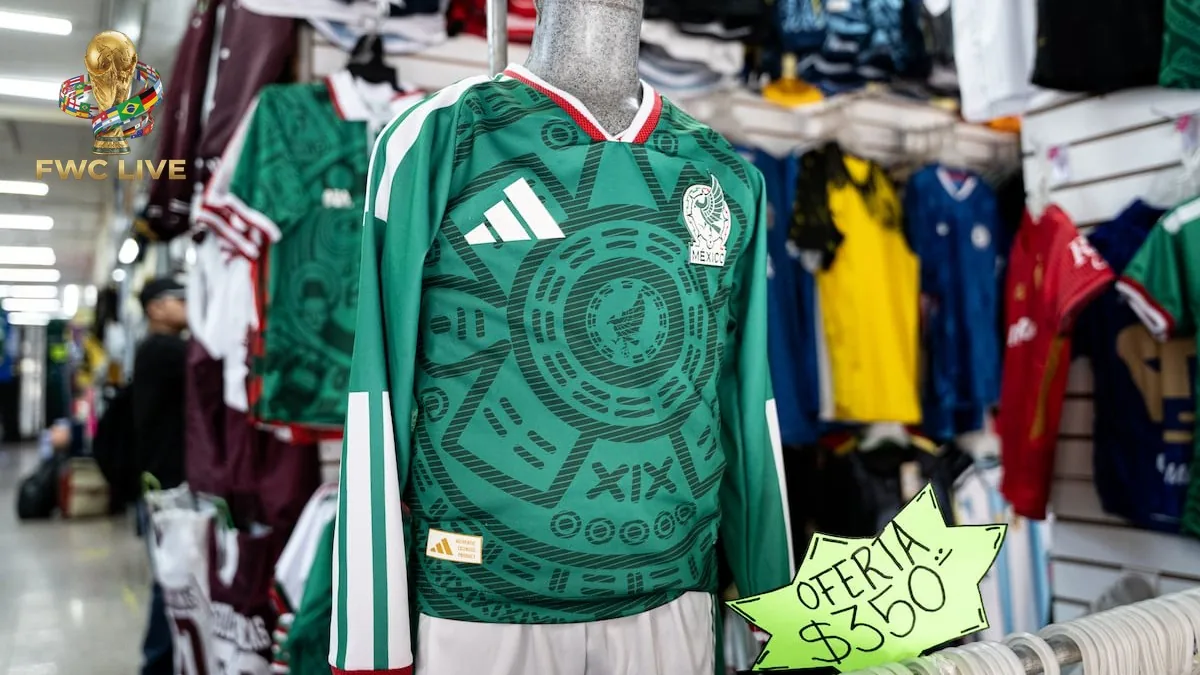
Mexico has stepped up anti-piracy efforts before the World Cup, with enforcement aimed at protecting official merchandise, broadcast rights and tournament marks. Counterfeit activity usually rises around major football events.
The issue is especially sensitive for a host country because unofficial goods can flood tourist areas, stadium corridors and online marketplaces. That affects both consumers and rights holders.
What It Means For The Tournament
For fans, the practical risk is paying for low-quality or fake merchandise. Some counterfeit products may also violate stadium rules if they use restricted commercial marks.
For FIFA and sponsors, anti-piracy work protects the value of official partnerships. Sponsors pay heavily for exclusivity, so enforcement becomes part of the commercial program.
What Fans Should Watch Next
Authorities will likely increase checks near fan zones, shopping districts and digital marketplaces as June approaches. Online enforcement may become just as important as street-level seizures.
Fans should buy from official stores or trusted retailers, especially for tickets, shirts and licensed collectibles. Cheap offers close to matchday often carry the highest risk.
The Bigger World Cup Picture
The anti-piracy story fits a wider World Cup pattern. As ticket demand, tourism and merchandise sales rise, fraud attempts usually follow.
Mexico’s challenge is to protect official rights without hurting the normal street-market energy that fans expect. Clear enforcement and consumer guidance will be important.
Key Details Fans Need To Know
The first useful detail is timing. Mexico Steps Up Anti-Piracy Drive Before World Cup 2026 is not just a headline for today because every new update can affect travel plans, squad planning, ticket demand or broadcast preparation. Supporters should separate confirmed details from early speculation, especially when a story involves security, injuries, rights talks or ticket access.
The second detail is who controls the next decision. In the mexico lane, some answers sit with local organizers, some with FIFA, and some with clubs or national teams. That split matters because one public comment rarely settles the full picture. Fans should wait for the organization with direct control before treating a claim as final.
The third detail is how close the tournament now feels. With the World Cup moving toward June 11, each update has less time to settle. A plan that looked routine months ago can become urgent once hotels, flights, rosters and ticket windows start locking in.
The fourth detail is practical impact. Mexico World Cup 2026 anti-piracy drive matters most when it changes what fans, teams or broadcasters must do next. That is why the strongest World Cup news is not always the loudest rumor. It is the update that changes planning on the ground.
How The Story Could Develop
The next stage should bring more specific information. For Mexico World Cup 2026 anti-piracy drive, that could mean official guidance, a medical timeline, a contract update, a transport plan or a final operational decision. Until that arrives, the safest reading is cautious but active. The story is moving, but not every detail is locked.
Fans should also watch whether this update connects with other World Cup pressure points. Ticket prices, travel costs, injury lists, security funding and broadcast access are no longer separate conversations. They shape the same tournament experience, especially for supporters planning from outside the host city.
If the next update confirms the current direction, the story becomes easier to plan around. If it changes, teams and fans may need to adjust quickly. That is why a fresh World Cup news phase now has real planning value, not just entertainment value.
FWC LIVE will keep treating Mexico World Cup 2026 anti-piracy drive as a verified build-up story. The priority is simple: follow confirmed details, avoid recycled noise, and explain what the update means before supporters spend money or change plans.
Frequently Asked Questions
What changed with Mexico World Cup 2026 anti-piracy drive?
Mexico World Cup 2026 anti-piracy drive is intensifying as authorities target counterfeit goods before the tournament.
Why is Mexico World Cup 2026 anti-piracy drive important now?
Mexico World Cup 2026 anti-piracy drive is becoming a bigger tournament story as authorities move against counterfeit goods and illegal branding.
What should fans watch next on Mexico World Cup 2026 anti-piracy drive?
Mexico has stepped up anti-piracy efforts before the World Cup, with enforcement aimed at protecting official merchandise, broadcast rights and tournament marks.
When does World Cup 2026 start?
The tournament starts on June 11, 2026, across the United States, Canada and Mexico.
The Mexico World Cup 2026 Anti-Piracy Drive update adds another important layer to the World Cup 2026 build-up. The strongest takeaway is practical: plans, squads, safety work, ticketing and media deals are now being judged by delivery, not promises. That makes each verified update more important for fans trying to plan ahead.
Stay tuned to FWCLive.com for the latest FIFA World Cup 2026 updates.