
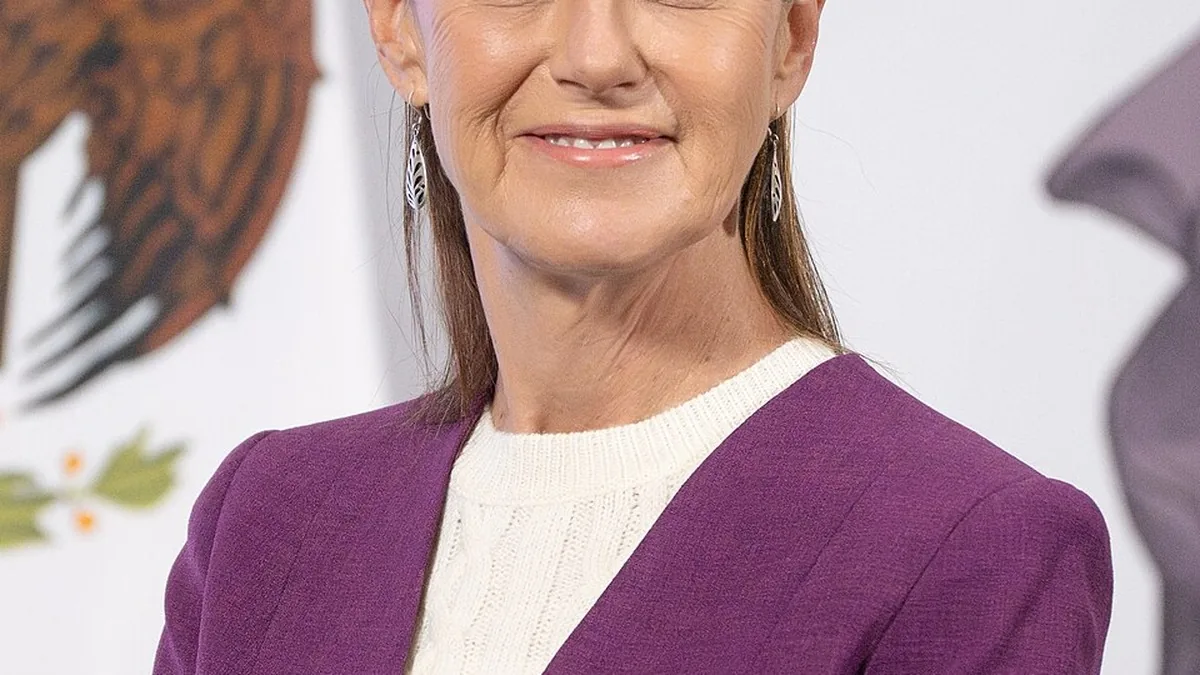
Mexico World Cup 2026 planning is being led by President Claudia Sheinbaum and government representative Gabriela Cuevas. That structure puts political authority and tournament coordination in the same lane as Mexico enters the final operational stretch. The country is preparing to become the first to host matches in three men’s World Cups, so the pressure is different from a normal event phase. Delivery now depends on infrastructure, security and public-facing logistics moving together.
Why Sheinbaum is central to Mexico’s build-up
Claudia Sheinbaum sits at the top of Mexico’s World Cup preparation because the biggest tasks reach well beyond football. Infrastructure projects tied to airport capacity and transport upgrades need federal backing. Security planning also requires national coordination, especially for a tournament that will draw large visiting crowds across multiple cities. That makes the presidency part of the delivery model, not just part of the ceremony.
Recent official messaging from Mexico has also placed Sheinbaum close to the final hospitality and logistics picture. That matters because opening-match preparation in Mexico City carries symbolic and operational weight. A host government cannot leave those responsibilities to local organizers alone. So Mexico’s planning has become more centralized as the event gets closer.
What Gabriela Cuevas is handling
Gabriela Cuevas is the Mexican government’s representative for the tournament, and her appointment gives the project a defined coordination point. Her remit covers social legacy, community development, inclusion and intergovernmental cooperation. Those are not secondary themes. They sit at the core of how host countries now present major events to the public and to FIFA.
Cuevas also gives Mexico a single political contact for work with federal agencies, World Cup host cities and outside partners. That is useful because the tournament needs more than stadium operations. It needs a clear line between government planning, public messaging and practical delivery. In a three-country event, that kind of structure reduces drift and keeps cross-border decisions moving.
The pressure points in Mexico World Cup 2026 planning
Security and mobility remain the two biggest public tests. Mexico’s officials have had to address safety concerns while also preparing transport systems for a higher event load. That combination is hard because a smooth tournament depends on more than policing. It also depends on airport flow, city movement and reliable access around venues. A polished World Cup stadiums matters, yet it cannot compensate for weak transport planning.
Mexico also carries special historical weight in this tournament. The country is not just another co-host. It is the first to host men’s World Cup matches across three editions, which raises expectations around presentation and delivery. That is why the local story extends beyond the pitch. It includes how cities, airports and surrounding public spaces are made ready for the global audience.
What comes next for Mexico
The next signs of progress will come through transport delivery, public safety planning and event presentation in the Mexican World Cup host cities. The broader World Cup host cities will keep mattering because fans need more than fixture information. They need confidence that moving through Mexico will feel organized and predictable. That is where federal planning becomes visible to the public.
Mexico’s World Cup structure is now clear enough to read. Sheinbaum provides the top-level authority, while Cuevas connects the tournament to the government’s delivery machinery. That arrangement gives Mexico a defined command line at a critical stage. It also explains who is shaping the country’s World Cup story beyond the players and the matches.
Frequently Asked Questions
Who is leading Mexico World Cup 2026 planning?
President Claudia Sheinbaum leads the political side, while Gabriela Cuevas serves as the government’s tournament representative.
What is Gabriela Cuevas responsible for?
She oversees coordination tied to social legacy, inclusion, community development and intergovernmental work around the tournament.
Why is transport such a big issue for Mexico?
Mexico is managing airport, city and venue movement at the same time as it prepares for large international crowds.
Why does Mexico’s host role feel bigger in 2026?
Mexico will become the first country to host matches in three men’s World Cups, which raises the pressure on delivery and presentation.
Mexico is treating the World Cup as a federal delivery project as much as a football event. That is why Sheinbaum and Cuevas now sit so prominently in the planning picture.
Their challenge is to turn symbolic host status into smooth matchday reality. The closer the tournament gets, the more visible that work will become.
Stay with FWCLive.com for more <a href="/news/world-cup-2026-sponsor-map-expands/">World Cup 2026 business and host updates</a>.
Stay tuned to FWCLive.com for the latest FIFA World Cup 2026 updates.
Read Also: Canada World Cup 2026 planning moves through Carney and van Koeverden