

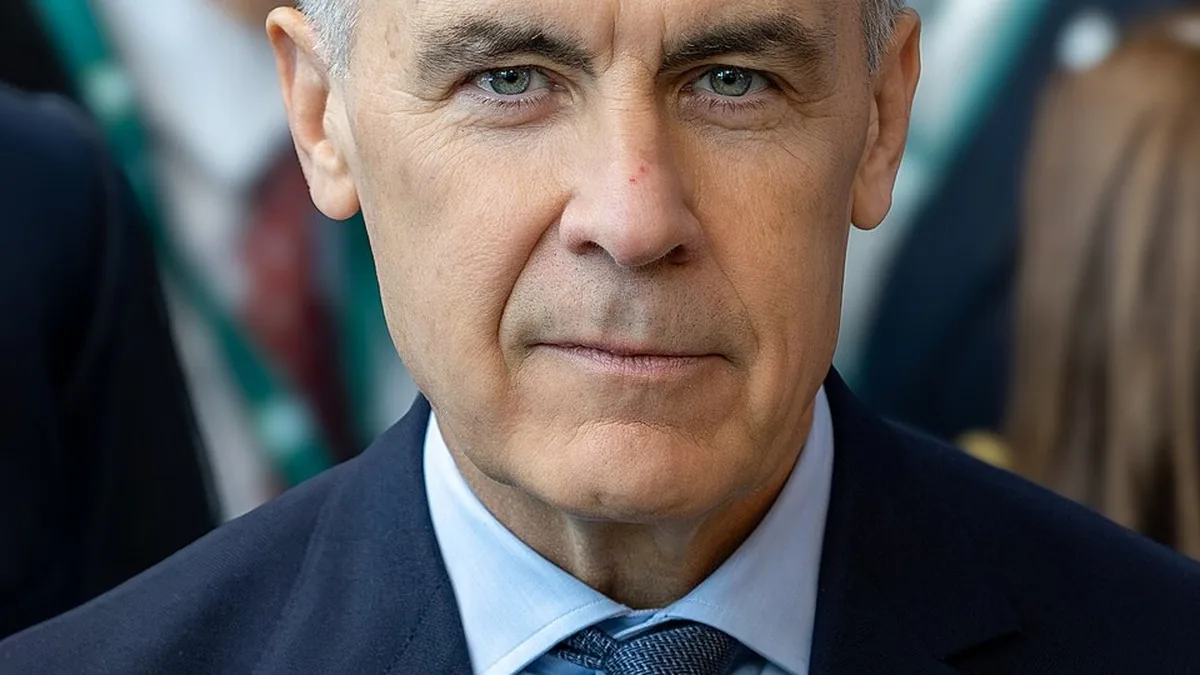
Canada World Cup 2026 planning is being steered politically by Mark Carney and operationally by Adam van Koeverden. That pairing matters because Canada is entering the tightest phase of tournament delivery, where security, transport and fan movement need daily coordination across borders. The federal role is now more visible as Toronto and Vancouver prepare to host matches in the biggest World Cup ever staged. Canada is no longer only preparing venues. It is now aligning national government, World Cup host cities and cross-border logistics around one shared event plan.
Why Ottawa is taking a bigger role
Canada will host men’s World Cup matches for the first time, so federal preparation carries extra weight. Prime Minister Mark Carney has framed the tournament as a national opportunity rather than a city-only event. That approach fits the reality of 2026. The tournament will bring a major security load, heavy travel demand and a large international spotlight over several weeks.
The federal government has also committed major support around safety and security. That gives Ottawa direct responsibility in areas that local organizers cannot manage alone. Border movement, policing coordination and national visitor messaging all sit above the city level. So the political center of gravity has shifted upward as the event gets closer.
Why Adam van Koeverden matters
Adam van Koeverden is serving as Canada’s FIFA sherpa, which makes him the main federal bridge between government partners and tournament stakeholders. His job is not ceremonial. It sits at the center of planning with the United States, Mexico and FIFA on fan mobility, security coordination and operational alignment. That role becomes more important as teams, officials and supporters start moving across North America in larger numbers.
Official Canadian updates show van Koeverden has already been in working sessions with counterparts from both co-host nations. Those meetings have focused on safe movement, cooperation between host governments and a more joined-up event plan. In practical terms, he is helping turn three national host strategies into one workable tournament map. That is why his office matters as much as any local organizing unit right now.
What this means for fans and World Cup host cities
Fans will feel the federal role most in travel and security. Entry processes, border coordination, airport operations and public safety shape the tournament experience before a supporter even reaches the turnstiles. A good World Cup host cities helps with local planning, yet the wider trip still depends on national systems working smoothly. That is why Canada’s government is speaking more openly about delivery, not only promotion.
Toronto and Vancouver also need consistent coordination with the wider tournament footprint. Teams may train in one place, move through another and play elsewhere in the region. The recent World Cup base camps underlines how much movement the event will create. Canada’s federal planners are trying to keep that complexity manageable before the tournament shifts from planning rooms to real matchdays.
What to watch next in Canada World Cup 2026 planning
The next signs of progress will come through security planning, visitor guidance and transport coordination tied to the two Canadian World Cup host cities. Stadium readiness still matters, and the wider World Cup stadiums remains important, yet the bigger question is whether Canada can make the tournament feel seamless for travelling supporters. That is the standard a first-time men’s host has to meet.
For now, the structure is clear. Carney provides the political backing and van Koeverden handles federal coordination in the operational lane. That two-level model gives Canada a clearer chain of responsibility than it had earlier in the phase. It also tells you where key tournament decisions are now being pushed from. The federal phase has started in earnest.
Frequently Asked Questions
Who is leading Canada World Cup 2026 planning?
Prime Minister Mark Carney is the senior political figure, while Adam van Koeverden leads federal coordination as Canada’s FIFA sherpa.
What does Adam van Koeverden do for the World Cup?
He coordinates Canada’s work with federal partners, World Cup host cities, FIFA and counterparts in the United States and Mexico.
Why is the federal role so important for Canada?
Security, transport, border movement and fan mobility require national coordination beyond what World Cup host cities can manage alone.
Which Canadian cities will host World Cup matches?
Toronto and Vancouver are Canada’s two World Cup host cities for the 2026 tournament.
Canada’s World Cup planning is now clearly being run through a federal lens. That is a natural shift for a tournament built on border flow, public safety and large-scale movement.
Carney and van Koeverden sit at the center of that work. Their success will shape how smoothly Canada delivers its part of the event.
Follow FWCLive.com for the latest <a href="/">2026 FIFA World Cup</a> host nation updates.
Stay tuned to FWCLive.com for the latest FIFA World Cup 2026 updates.
Read Also: Mexico World Cup 2026 planning runs through Sheinbaum and Gabriela Cuevas