

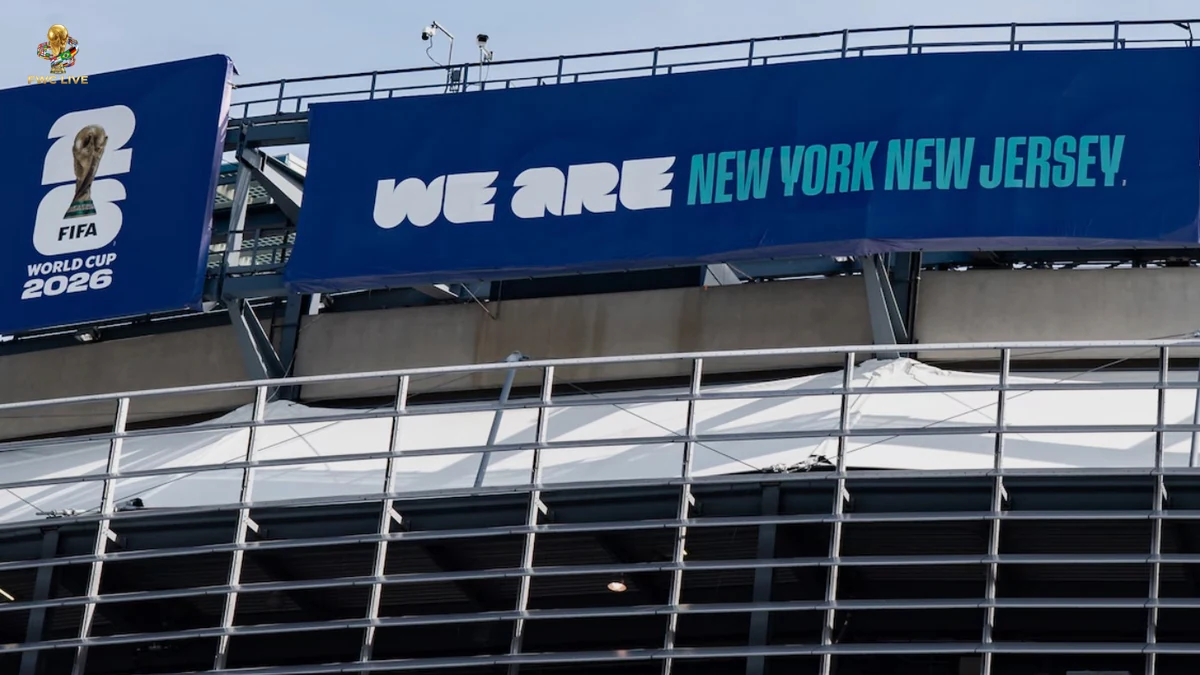
New Jersey World Cup 2026 base camps are now one of the strongest off-pitch stories in the U.S. host build. Four national teams have confirmed local bases in the state before group matches begin. That matters because FIFA World Cup 2026 teams do not choose training homes casually. A base-camp decision is usually a direct vote on facilities, travel logic, and operational trust.
Which Teams Have Chosen New Jersey
Brazil will work from the Columbia Park Training Center in Morris Township. The site is a new high-end facility tied to the New York Red Bulls structure. Morocco has chosen The Pingry School in Bernards Township. Haiti will stay in Galloway at Stockton University. Senegal will train at Rutgers University in Piscataway.
Those choices matter because they are not clustered around one single suburb. New Jersey is spreading teams across several distinct training environments. That gives the state a wider tournament footprint than a match host alone would have created. It also turns the area into a practical team-services hub, not just a stadium market.
The match links are also strong. Brazil and Morocco open against each other on June 13 at New York New Jersey Stadium. Senegal then has back-to-back Meadowlands dates against France on June 16 and Norway on June 22. Haiti opens against Scotland in Foxborough before meeting Brazil in Philadelphia. So these camp picks are closely tied to real travel patterns, not branding logic.
Why This Is Bigger Than One Stadium Story
The New York New Jersey host city already carried the final-stage spotlight because the region hosts the World Cup final. These team choices widen that importance. They show the host region is useful before matchday, not only during it. That is a more valuable signal for local operators, hotels, training sites, and transport planners.
World Cup base camps often reveal what teams care about most. Privacy, pitch quality, recovery space, and route control all matter. Once four teams settle inside one state, the message becomes clearer. New Jersey is offering enough working infrastructure to satisfy very different national-team needs.
There is also a fan-facing angle here. Supporters tend to follow camps once teams arrive, especially when public sessions, local events, or media windows appear. That means New Jersey may now benefit from more than the World Cup schedule alone. It could attract extra attention around training activity and team movement in the final build-up.
What This Means For The Regional Tournament Build
The cleanest takeaway is operational depth. MetLife matchdays already make the region central, yet team camps add another layer of daily football traffic. More buses, more training logistics, more media demand, and more localized fan curiosity all come with that. The host region now needs to look ready beyond the stadium perimeter.
This development also supports a broader pattern across the tournament. Teams are increasingly trying to reduce unnecessary movement before decisive group games. Stable camps can save energy and simplify routines. A host region that attracts several camps gains credibility because multiple staffs reached the same conclusion independently.
New Jersey will still be judged by transport, pricing, and fan access later on. Yet these camp choices are a positive signal before those bigger stress points arrive. Teams have effectively said the state works for elite preparation. That is a meaningful endorsement in the last stretch before kickoff.
There is also a symbolic layer. Brazil alone changes the volume around any host region because media attention and supporter demand travel with the shirt. Once Brazil and Morocco both settle in New Jersey, the state becomes relevant to Group C before the first match even starts. Senegal and Haiti then widen that effect into other match lanes as well.
Frequently Asked Questions
What changed with New Jersey World Cup 2026 base camps?
New Jersey has become a major team hub after Brazil, Morocco, Senegal, and Haiti confirmed local base camps for the 2026 tournament.
Why is New Jersey World Cup 2026 base camps important now?
New Jersey World Cup 2026 base camps are now one of the strongest off-pitch stories in the U.S. host build.
What should fans watch next on New Jersey World Cup 2026 base camps?
Brazil will work from the Columbia Park Training Center in Morris Township. The site is a new high-end facility tied to the New York Red Bulls structure.
New Jersey is no longer only a final-venue conversation.
With four confirmed team bases, it has become one of the tournament’s most important operating hubs before the first whistle even blows.
Stay tuned to FWCLive.com for the latest FIFA World Cup 2026 updates.
Read Also: Hong Kong World Cup 2026 Rollout Expands With Now TV And ViuTV