

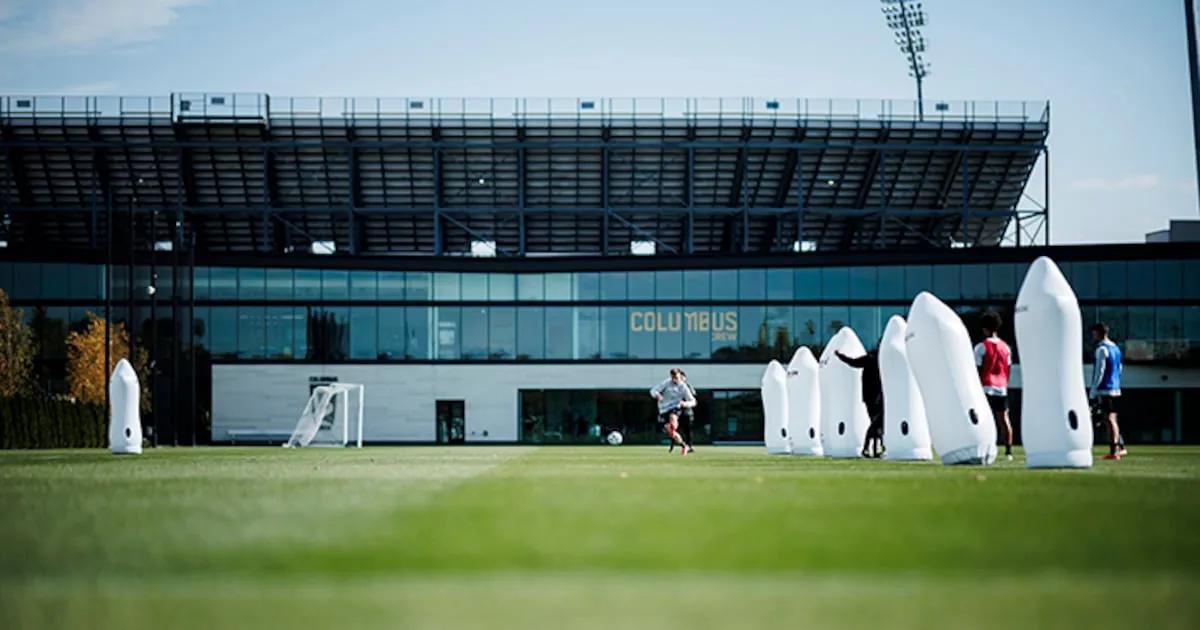
World Cup 2026 base camps are becoming one of the most important off-pitch stories before kickoff. FIFA has kept expanding the approved options, while national teams are starting to lock in the training sites and hotels that will define their group-stage routine. Those decisions affect travel, recovery, privacy and local climate just as much as they affect convenience. In an event spread across three countries, the right base camp can shape an entire tournament opening.
Why base camps matter so much
A base camp is more than a hotel booking. It combines accommodation and a training site into a single working base for the group stage, giving a national team a place to recover, train, handle media duties and control daily logistics. In a tournament as large as this one, those details can easily become competitive factors. A poor setup means longer journeys, less privacy and more disruption between matches.
That is why FIFA has treated the process as a major planning exercise rather than a minor operational footnote. The current catalog has kept growing, and the third major wave of additions pushed the list to 62 options. New host-city-linked choices have been added in Guadalajara, Dallas-Mansfield and New York New Jersey, while other geographically connected options have expanded the map even further.
Which new options moved the story forward
The latest additions widened the footprint well beyond the host venues themselves. New possibilities have included Querétaro and Torreón in Mexico as well as Boca Raton, Greenbrier County, Myrtle Beach, Oklahoma City, Portland, Santa Barbara and State College in the United States. That is a clear sign that the tournament’s daily geography is broader than the 16 match cities listed on the World Cup schedule. Teams are being asked to think in travel corridors, not only in host-city names.
The system also gives countries room to rank their preferred choices. South Korea, for example, secured Chivas Verde Valle in Guadalajara as its base camp near Akron Stadium. That move gives the team a short route to its first two group-stage matches in Mexico and reflects how base camp selection is now tightly linked to the match calendar.
Early team choices are already revealing strategy
Germany has selected Winston-Salem as its home base, using Wake Forest University as the training site and Graylyn Estate as team headquarters. That choice highlights the value of privacy, campus-level facilities and a contained working environment away from a heavy urban spotlight. It also shows that some federations prefer a stable setup even if it sits outside a host city itself.
North Texas offers another angle. Czechia has set Mansfield as its base camp, while Sweden has chosen Frisco. Those decisions underline how the Dallas area is becoming more than a nine-match host region. It is also emerging as a wider tournament operations hub, with teams using local infrastructure to shorten travel and build familiarity before the group stage begins.
What this means for the tournament
Base camp choices tell us how teams view the event. Some want altitude familiarity, some want direct proximity to stadiums, and some prioritize seclusion over city-center access. The stronger the field of options becomes, the more strategic those choices will look. That is why the story is no longer limited to logistics staff. Fans are starting to follow where teams will actually live during the tournament.
It also adds a new layer to team coverage. A Germany national team or South Korea national team now needs to consider where the squad is based, not just who is in the squad. In a 48-team World Cup, those smaller planning details could end up shaping the bigger football story.
Frequently Asked Questions
What is a World Cup base camp?
It is the combination of a team hotel and training site that a national side uses as its main base during the group stage.
How many base camp options has FIFA listed?
FIFA’s latest expanded catalog reached 62 possible team base camp options.
Which team has chosen a base camp near Akron Stadium?
South Korea has chosen Chivas Verde Valle in Guadalajara, close to Akron Stadium.
Where will Germany be based during the tournament?
Germany has chosen Winston-Salem, with Wake Forest University as training site and Graylyn Estate as team headquarters.
Base camps may look like a background detail, but they are quickly becoming one of the clearest signs of how teams want to attack the tournament. The bigger the event gets, the more important that daily structure becomes.
As more federations confirm their choices, the off-pitch map of World Cup 2026 will become much clearer. That map could tell us plenty about competitive intentions before a ball is kicked.
Stay tuned to FWCLive.com for the latest <a href="/">FIFA World Cup 2026</a> team planning updates.
Stay tuned to FWCLive.com for the latest FIFA World Cup 2026 updates.