

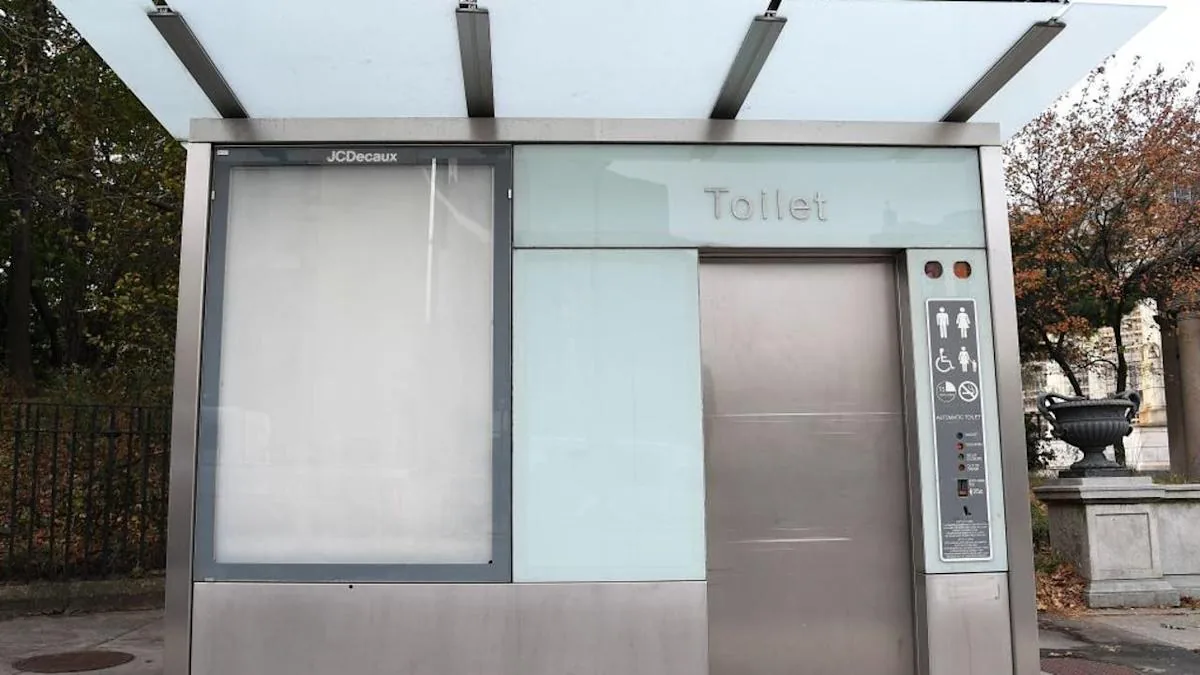
The New York World Cup 2026 bathroom plan is now a live host-city pressure point before kickoff. Officials say public restroom access is too thin for peak tournament demand as regional traffic rises toward the first MetLife match on June 13. City lawmakers and agencies are now moving on expansion planning and location mapping. That work sits inside the wider preparation phase tracked on FIFA World Cup 2026.
Why bathroom access became a priority issue
The concern is tied to current baseline capacity rather than only tournament hype. Officials have cited an estimated ratio of roughly one public restroom for every 8,500 residents across the five boroughs. At normal demand levels, that already creates lines in busy areas. Under World Cup traffic, those wait times can expand into broader crowd-management risk.
The New York and New Jersey regional host plan expects about 1.2 million visitors during the tournament window. That number sharpens pressure because public facilities affect fan movement, local business turnover, and basic comfort near transit corridors. In practical terms, restroom availability becomes part of event reliability, not a side service. The New York New Jersey host city now needs this issue in core readiness tracking.
What is being proposed before the first match
A city bill introduced in the latest phase calls for a formal plan to expand public bathroom access before the opening local fixture. That timing aligns with the first New York/New Jersey match date at MetLife on June 13, so the requirement is tied to a fixed operational deadline. The target is to avoid entering match week with unresolved access gaps. Planning language is now moving from discussion toward implementation pressure.
Officials have also said the city is mapping restroom locations across parks and other public areas so residents and visitors can find facilities faster. Wayfinding becomes important because existing inventory is less useful if people cannot locate it quickly on event days. Clear location data can reduce random queue formation around only a few known points. That mapping layer is one of the fastest deployable interventions in this phase.
How this links to wider host-city operations
Public sanitation planning intersects with transport and fan-flow patterns more than it appears at first glance. If facilities are scarce near key routes, crowd dwell time increases and movement between stations, fan zones, and venue perimeters slows down. That can add avoidable friction even when ticketing and transit systems are functioning. So bathroom access sits inside the same operational chain as mobility and entry control.
City leadership has also linked World Cup preparations to support programs for small businesses so local operators are not excluded from visitor-driven demand. This matters because retail corridors absorb much of the off-stadium foot traffic on matchdays. Better facility planning can improve turnover quality for both fans and local commerce. The overall readiness picture combines public services, business support, and transport behavior.
What to watch next before June kickoff
The immediate checkpoint is whether expansion and mapping plans convert into visible, usable public guidance before the first fixture. Announcements alone will not solve queue pressure unless deployment happens in high-demand corridors. Organizers need clear signage, predictable maintenance, and realistic peak-load assumptions. Without that execution layer, policy intent may not translate into smoother matchday conditions.
Fans planning trips should keep logistics decisions anchored to the World Cup schedule, the MetLife Stadium, and cost signals in the World Cup ticket costs. Facility access, transport timing, and total-day budget now move together in this market. New York's bathroom-capacity push is one more indicator that host-city readiness is entering practical delivery mode.
Frequently Asked Questions
Why is the New York World Cup 2026 bathroom plan getting attention now?
Officials say existing public restroom coverage is already limited and may be insufficient when tournament visitor volumes increase.
What public restroom ratio has been cited in New York?
Recent city discussion has referenced about one public restroom for every 8,500 residents.
When is the first World Cup 2026 match in New York/New Jersey?
The first local match at MetLife Stadium is scheduled for June 13, which is driving urgency around pre-event planning.
How many visitors are projected for the region during the tournament?
Regional host projections have cited around 1.2 million visitors during the World Cup period.
What practical step is already underway?
City agencies have said they are mapping existing restroom locations to improve findability for residents and visitors.
New York's bathroom-access debate has moved from civic complaint to tournament operations priority. The fixed June 13 start date leaves little room for planning drift if the city wants smoother fan movement. Restroom capacity now sits alongside transport and pricing as a real matchday variable in the region. The next phase is simple: visible execution before crowds peak.
FWC LIVE will continue tracking verified host-city readiness updates across New York/New Jersey before kickoff.
Stay tuned to FWCLive.com for the latest FIFA World Cup 2026 updates.
Read Also: Philadelphia World Cup 2026 Fan-Friendly Plan Stands Out Before Kickoff