

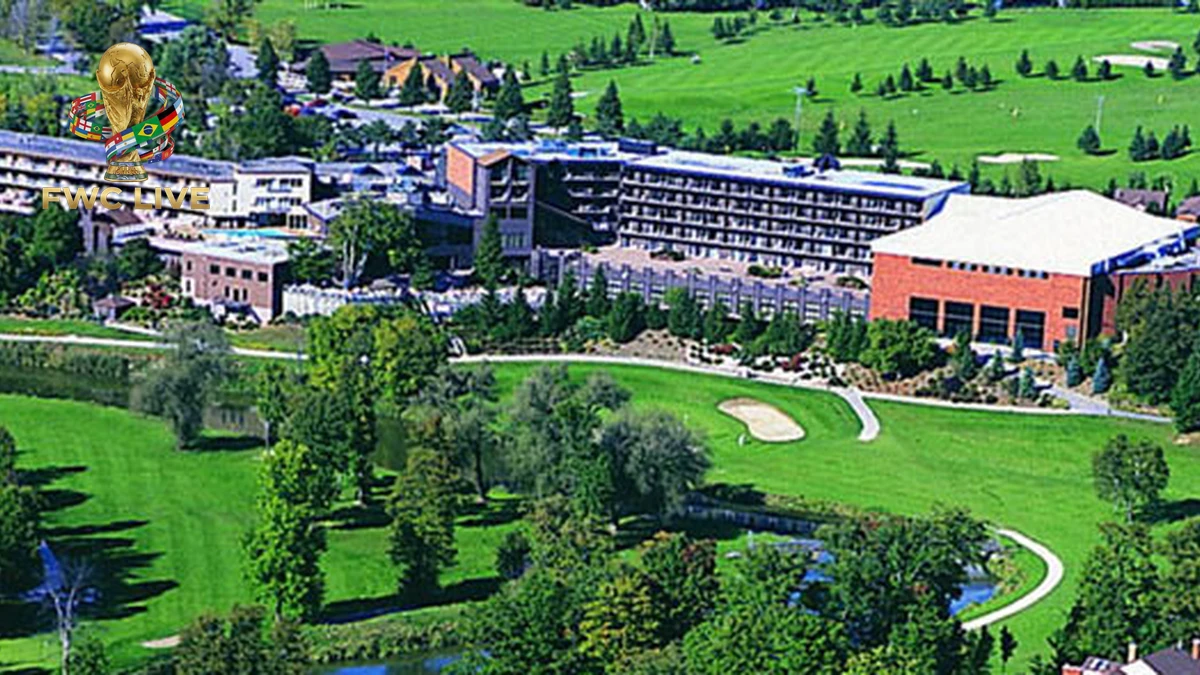
The Panama World Cup 2026 base camp is now set, and that is a meaningful step in the team's tournament preparation. Panama will use the Nottawasaga Resort in Canada as its home-away-from-home before group-stage matches begin. That gives the squad a fixed environment instead of a moving pre-tournament schedule. For a team trying to maximize every margin, that kind of stability matters.
Why The Base Camp Choice Matters
A World Cup base camp is more than a hotel booking. It shapes training quality, recovery flow, media control and the overall rhythm of the team's final build-up. Panama now have a site with two full pitches on location and prior experience hosting national teams. That matters because the work done before the first game often decides how sharp a team looks once the tournament starts.
The Canadian setting also gives Panama a practical North American foothold before the group phase begins. The squad does not need to improvise its first weeks on the continent. Everything from staff routines to medical work can be built around one settled location. That is the kind of detail stronger federations usually try to secure early, and Panama now have that same advantage in place.
How It Fits Panama's Group Stage Plan
The Nottawasaga site has been framed as a preparation base before Panama face Ghana, Croatia and England. That is a demanding lineup, so any element of control becomes more valuable. Panama are not entering a soft group where they can afford a slow start. Their camp has to help them arrive organised, physically ready and mentally clear from the first whistle.
That is where the FIFA World Cup 2026 match schedule links directly to the camp decision. Tournament football can become chaotic very quickly once travel begins. A stable early base reduces some of that noise. It also gives the coaching staff a cleaner runway to work through shape, transitions and set-piece detail before matchday pressure starts to compress every session.
Panama are also sending a message to the rest of the group by locking this in early. Teams that sort out their environment quickly usually give themselves more room to think about football once tournament week arrives. That may not show up in one obvious statistic, yet it shapes the calm around a camp. In a group containing established sides, calm and clarity are valuable resources.
What This Says About Panama's Ambition
The wider signal is that Panama are preparing seriously for the scale of the event. They are not treating qualification as the final achievement. They are treating the tournament itself as the next challenge to solve properly. That may sound obvious, yet smaller national teams often feel the operational gap more sharply than elite sides do. A strong camp setup helps close that gap.
Panama still need results, not just planning, but this is the kind of logistical move that gives a squad better conditions to chase those results. In an expanded World Cup, preparation depth becomes more important because there are more moving parts around the event. Panama cannot control the whole field, but they can control their own environment. This decision shows they understand that clearly.
The home-away-from-home idea matters because teams often spend more time inside the base environment than most fans realise. Meals, recovery, video work, tactical sessions and private rest all happen there before the tournament rhythm becomes hectic. If the camp works smoothly, players conserve energy in dozens of small ways that never make the headlines. For Panama, those small gains could matter against stronger group opponents.
Frequently Asked Questions
What changed with Panama World Cup 2026 base camp?
Panama have finalised a Canadian base-camp plan, giving the squad a settled home before group-stage travel begins.
Why is Panama World Cup 2026 base camp important now?
The Panama World Cup 2026 base camp is now set, and that is a meaningful step in the team's tournament preparation.
What should fans watch next on Panama World Cup 2026 base camp?
A World Cup base camp is more than a hotel booking. It shapes training quality, recovery flow, media control and the overall rhythm of the team's final build-up.
Panama now have a fixed World Cup home in Canada, and that matters more than it may first appear. A stable base can sharpen everything from training rhythm to tournament focus, which is exactly what a team in a demanding group needs.
Stay tuned to FWCLive.com for the latest FIFA World Cup 2026 updates.
Read Also: Toronto Keep Toronto Beautiful Push Starts Early For 2026