
Philadelphia confirmed free SEPTA rides from NRG Station after all six World Cup 2026 matches at Lincoln Financial Field. The Philadelphia World Cup 2026 transport plan now splits inbound and outbound pricing to reduce post-match pressure. Fans still pay normal rail fares to the venue, so the biggest relief starts when crowds leave. You can track related updates through FIFA World Cup 2026 and the live World Cup schedule.
How the free-exit model works on matchdays
The operating window starts at halftime and runs for two hours after the final whistle. The free segment applies to SEPTA departures from NRG Station after matches at Lincoln Financial Field. Organizers framed the measure as an access decision, because outbound queues can become the sharpest pain point. So the policy targets the exact phase when fans need faster clearance.
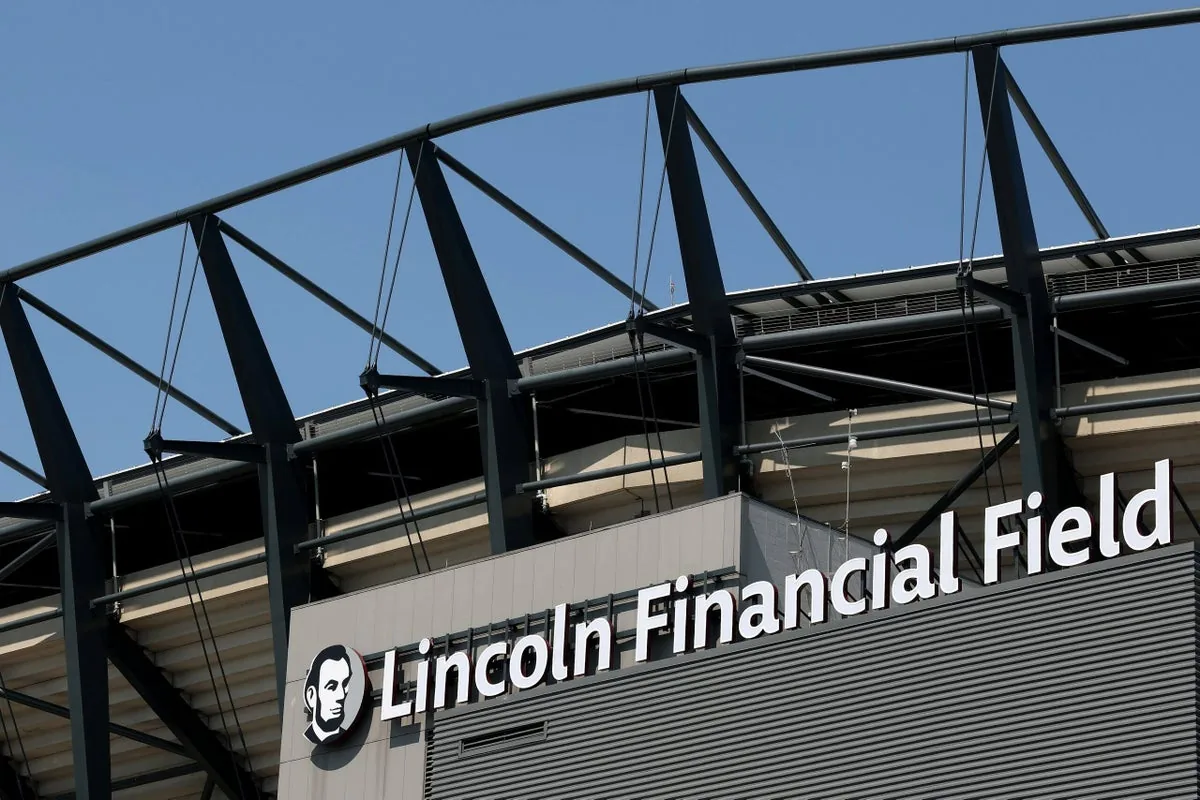
Philadelphia is hosting six men’s tournament matches this summer, including five group games and one round-of-16 tie on July 4. Brazil and France are among the teams scheduled in the group phase at this venue. That concentration raises crowd turnover needs on every game day. The Lincoln Financial Field is useful for route planning before the rail queue builds.
What still costs money before the free exit kicks in
Inbound transit remains paid at SEPTA’s normal listed fare of $2.90. So the headline is not zero-cost transport for the full journey. It is a targeted subsidy focused on outbound fan flow. That said, the adjustment still changes the total day cost for many supporters.
The wider host-city comparison explains why this update drew attention fast. New Jersey’s round-trip rail ticket between New York Penn Station and MetLife Stadium was confirmed at $150, while an alternate shuttle was set at $80. Boston-area matchday rail and bus pricing was also placed far above ordinary local fares. Even so, Philadelphia now sits in a clearly lower-friction position for public transport egress.
Why this decision matters beyond one city
Transport pricing is now one of the main tournament experience variables, not just a side detail. A 48-team World Cup adds more matchdays, more long-distance travelers, and tighter movement windows around stadium districts. Because of that, egress strategy can affect attendance confidence and time-on-site behavior. Philadelphia’s move gives other cities a practical model for targeted relief without rewriting their full fare structure.
The same discussion already sits at the center of the New York New Jersey host city and the ongoing MetLife Stadium train fares. Those files show how quickly transport numbers can become a public trust issue. In fact, fans often decide kickoff attendance based on return-trip certainty rather than ticket price alone. So predictable post-match movement is now part of core tournament readiness.
Execution risks Philadelphia still has to manage
Free rides only help if station throughput, platform staffing, and service frequency hold under peak pressure. SEPTA has already projected a major overtime and service burden across this summer’s event calendar. Federal assistance and sponsor-backed funding reduce pressure, yet operational delivery still decides fan outcomes. Because of that, matchday testing and clear wayfinding remain essential.
Crowd communication must also stay simple at the stadium edge. Fans need exact pickup points, timing windows, and fallback options if trains fill quickly. A clean transport message can reduce bottlenecks before they form. After all, good mobility planning protects both supporters and the wider city footprint around major events.
Frequently Asked Questions
Are SEPTA rides fully free for World Cup 2026 in Philadelphia?
No. The confirmed free segment applies to departures from NRG Station after matches. Inbound rides to the venue still use normal SEPTA fares.
When do the free exit rides begin and end?
The window starts at halftime and continues for two hours after each match ends at Lincoln Financial Field.
How many FIFA World Cup 2026 matches will Philadelphia host?
Philadelphia is confirmed for six men’s matches at Lincoln Financial Field, including five group-stage games and one round-of-16 tie.
Why is Philadelphia’s transport update getting so much attention?
Other host cities have announced much higher special-event transport prices, so Philadelphia’s free-exit setup now stands out in direct fan-cost comparisons.
Does this transport policy cover every route in the city?
The verified policy covers post-match SEPTA departures from NRG Station. Other routes and timings should be checked in official local travel updates before matchday.
Philadelphia has made a clear fan-first move by removing the exit fare after World Cup matches. The policy does not eliminate every transport cost, yet it cuts friction at the busiest moment of the day. If execution remains stable, this could become one of the strongest host-city mobility examples of the tournament phase. The next checkpoint is operational delivery across all six matchdays.
FWC LIVE will continue tracking transport execution, pricing shifts, and verified matchday access updates across all host cities.
Stay tuned to FWCLive.com for the latest FIFA World Cup 2026 updates.
Read Also: Philadelphia World Cup 2026 Fan-Friendly Plan Stands Out Before Kickoff