
The Vancouver FIFA Congress World Cup 2026 scrutiny story has landed at a sensitive moment for the tournament. FIFA member associations are gathering in Vancouver less than two months before kickoff, and the meeting is carrying more tension than a routine annual congress usually brings. Costs, access and scheduling pressure are all sitting on the table at once. For FIFA World Cup 2026, that makes this congress feel like a practical stress test rather than a ceremonial stop.
Why this congress matters more than usual
Reuters reported that the annual FIFA gathering in Vancouver arrives with several major questions still hanging over the first 48-team World Cup. The tournament opens on June 11 and runs until July 19 across the United States, Canada and Mexico, so there is very little time left for soft messaging or vague reassurance. Delegates want to know whether the expanded model is ready to work in real conditions. That is why the mood around the meeting is sharper than normal.
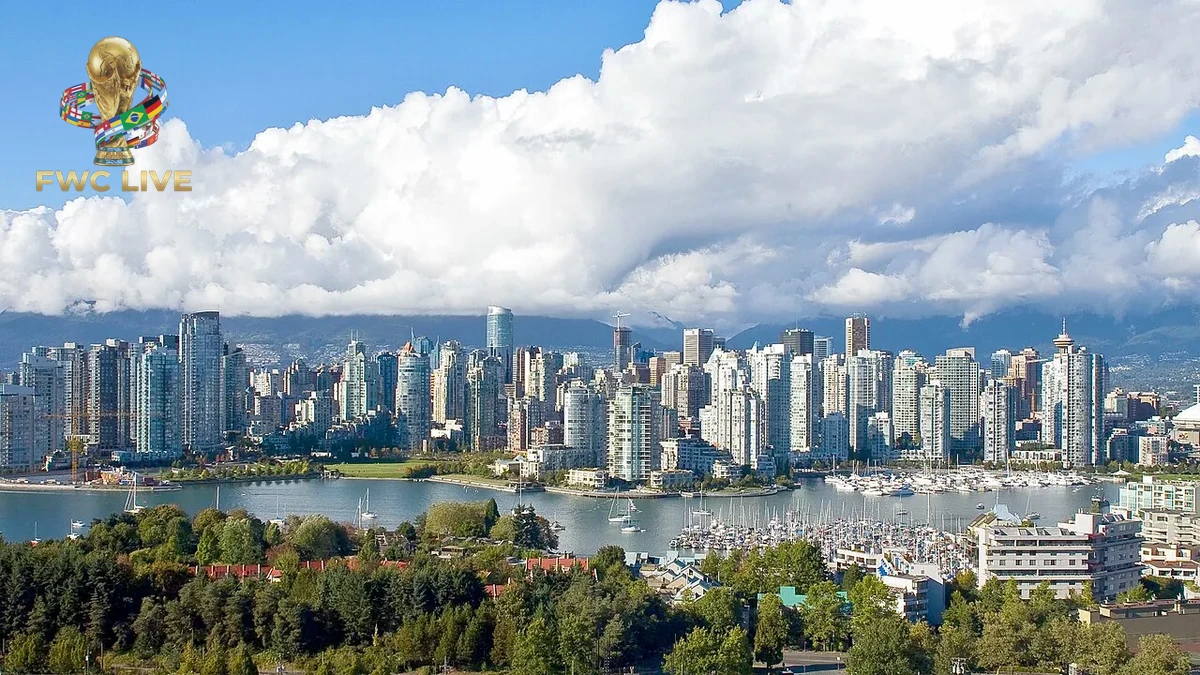
Vancouver is also not just a neutral meeting point. It is one of the host cities, so the congress unfolds inside the same North American footprint that will soon have to move teams, officials, broadcasters and fans across huge distances. That makes every operational concern feel immediate. The city has already been part of the wider host-city build-up through Vancouver planning, transport work and venue readiness. Now it is also the stage for FIFA's last major political gathering before the tournament.
Costs and prize money are back in focus
One of the clearest concerns around the congress is cost. Reuters said some European associations have warned UEFA that teams could struggle to break even because of long-haul travel, different tax systems and the broader operating demands of a tournament spread across North America. In a standard single-country event, those pressures are easier to contain. In this format, every extra flight and relocation becomes more expensive.
FIFA is expected to answer that pressure by pointing to the tournament's commercial strength and by raising prize money and participation payments beyond already record levels. That response may ease some concern, yet it does not erase the underlying issue. The expanded World Cup is supposed to feel larger and more inclusive, but national associations still need to see that it can also be financially workable. That wider anxiety connects directly with the recent World Cup 2026 visa cost security fears discussion already affecting fans.
Iran and visa access are testing FIFA before kickoff
Reuters also highlighted Iran as the most politically sensitive item around the congress. Iran have qualified, yet officials in Tehran have sought guarantees and asked for alternative venues because of security and travel concerns linked to matches in the United States. FIFA has rejected a schedule change and kept the current plan in place. That leaves the issue alive even if the fixture list is not moving.
Visa access is another pressure point. Reuters reported that officials from the Palestinian Football Association were denied entry to Canada for a pre-congress meeting before later receiving visas to attend the main gathering. That sequence matters because it exposed the kind of border and access complications that can hit football administration before fans even begin crossing borders in June. FIFA says it is working with host governments to facilitate access, yet the fact that the problem surfaced this late has added more scrutiny.
What Vancouver now represents for the wider tournament
The Vancouver congress is really a snapshot of the whole tournament challenge. A 48-team World Cup across three countries and multiple time zones will put unusual strain on teams, supporters, media and local organisers. FIFA can argue that bigger scale brings bigger opportunity, and the projected revenue story supports that position. Still, the final weeks before kickoff are exposing whether the event can feel fair and manageable at ground level.
That is why this meeting matters beyond committee politics. If FIFA comes out of Vancouver with a firmer message on money, access and scheduling confidence, the congress will have done real work. If not, the same concerns will follow the tournament into June. At this stage, World Cup 2026 does not need more spectacle around its size. It needs proof that the system behind it is ready.
Frequently Asked Questions
Why is the Vancouver FIFA Congress getting so much attention?
Because it is taking place less than two months before World Cup 2026 and several operational and political questions are still unresolved.
What cost concerns are being raised before World Cup 2026?
Some associations are worried about long-haul travel, tax complications and the total cost of operating in a three-country tournament.
Why is Iran part of the congress discussion?
Iran has qualified, but security and travel concerns around matches in the United States have kept the issue politically sensitive.
Will the Vancouver congress change the World Cup 2026 schedule?
FIFA has said teams are expected to play as planned, so no schedule change has been confirmed.
Conclusion
Vancouver has become more than a host-city backdrop for FIFA officials. It is now the place where the biggest late-stage questions around World Cup 2026 are being confronted in public. That does not mean the tournament is off course, yet it does mean the margin for vague answers is gone.