

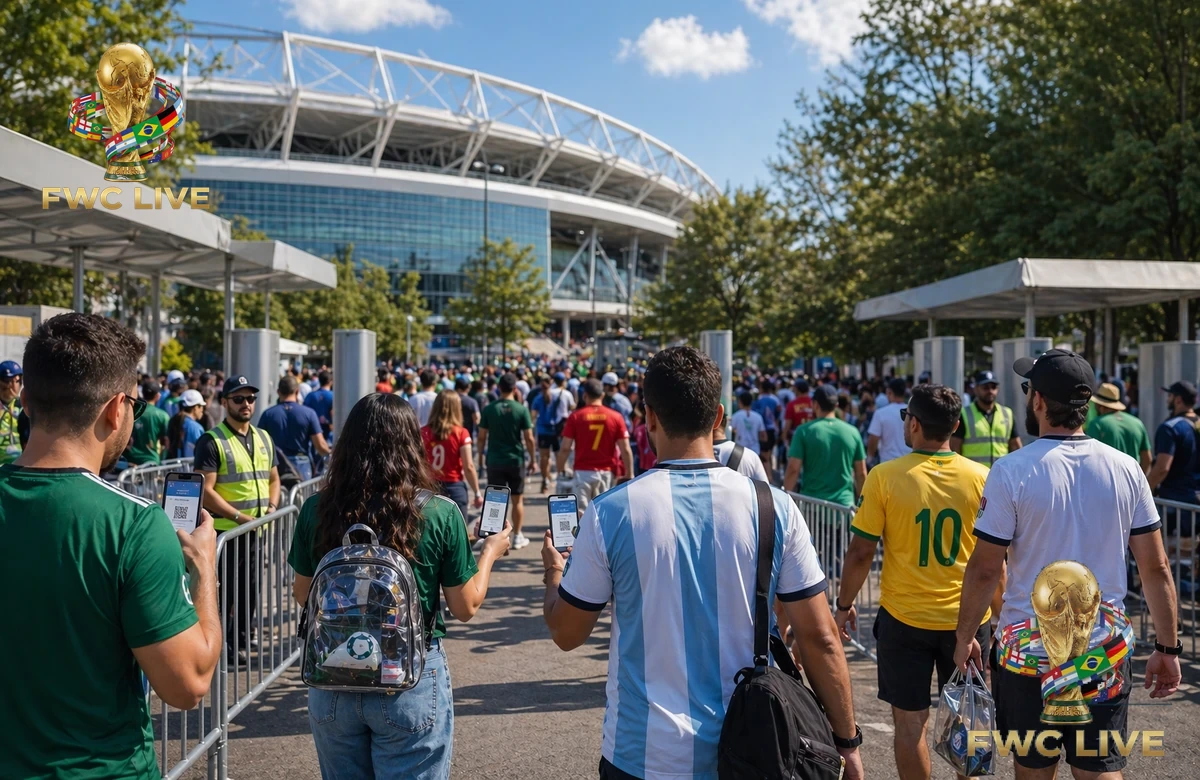
The World Cup 2026 visa cost security fears story is becoming one of the biggest barriers between interest and actual travel. International fans are still excited by the tournament, yet more of them are now thinking first about visa timing, entry rules, pricing and on-the-ground safety before they commit money. That matters because the United States hosts the largest share of the event and shapes a large part of the total fan journey. For 2026 World Cup planning, the emotional decision to go is no longer the same thing as the practical ability to go.
Why supporters are hesitating before booking
The hesitation is not driven by one issue only. It is the combined weight of visa queues, border uncertainty, transport costs, hotel pricing and public security narratives. A supporter might accept one of those problems in isolation, but the stack of them together can change the whole trip calculation.
That is why this story keeps returning even when ticket demand remains strong. Fans are not only asking whether they can get a seat. They are asking whether the full journey is affordable, predictable and worth the stress. That shift in mindset is now central to the travel conversation.
Visas and entry rules remain the first filter
For many travelers, the key problem comes before flights and hotels. The question is documentation. A valid match ticket does not solve interview delays, waiver eligibility or passport issues, which is why a proper USA visa guide matters so much early in the process.
The same applies to ESTA versus visa planning. Some fans can move through the visa-waiver route without much friction, while others face standard visitor visa timelines and a much narrower margin for error. Because of that, two supporters can look at the same tournament and see completely different levels of risk.
Cost pressure is no longer just about tickets
Ticket prices get the headlines, but the wider travel bill is doing just as much damage. Airfare, hotels, local transport, visa fees and city-to-city movement can turn one match into a major financial commitment. That is why so many supporter groups now talk about total cost rather than ticket cost alone.
The transport side has been especially visible in stories like the MetLife train fare shock. Once local mobility looks expensive on top of long-haul travel, some fans start trimming match plans, changing host cities or dropping the trip entirely. That is a meaningful shift in behavior.
Security fears are shaping perception as much as policy
Security concern does not always mean one specific threat. Sometimes it means a broader feeling that the trip will demand more caution, more document checks and more uncertainty than normal. That perception matters because fans often make decisions before every operational detail is formally announced.
The wider debate around the World Cup 2026 U.S. travel advisory shows how quickly that narrative can spread. Even when different groups disagree about the message, the result is the same: supporters are reminded that border and rights questions are part of the tournament planning process.
Why this matters for the tournament as a whole
A World Cup thrives on traveling support, not only television scale. The event feels different when fans from many countries can move through it with confidence. If too many people see the trip as complicated, expensive or tense, the atmosphere shifts even if stadiums still fill up.
That is why this is more than a travel sidebar. It touches attendance mix, city energy and the wider image of the event. Supporters are still coming, but the path feels more conditional than many expected. The closer the tournament gets, the more important it becomes for organizers and governments to reduce avoidable friction.
Frequently Asked Questions
Why are World Cup 2026 visa cost security fears growing?
Because many international fans are now weighing visa timelines, border rules, travel costs and safety concerns together before finalizing trips.
What should fans check first before booking World Cup 2026 travel?
They should confirm passport validity, visa or ESTA category, entry timing and the total cost of the trip before committing more non-refundable spending.
Are ticket prices the only reason fans are hesitating?
No. Local transport, flights, hotels, visa fees and security concerns are also affecting the decision.
Does strong ticket demand mean travel worries are overblown?
Not necessarily. Interest can remain high while practical barriers still push some supporters to reduce or cancel travel plans.
The demand for World Cup 2026 is real, but so is the friction around getting there. Fans are now planning the tournament with a far more cautious eye on documents, money and certainty. That caution may become one of the defining off-field stories of the event.
Stay tuned to FWCLive.com for the latest FIFA World Cup 2026 updates.
Read Also: Mexico World Cup 2026 Tourism Momentum Builds Fast