

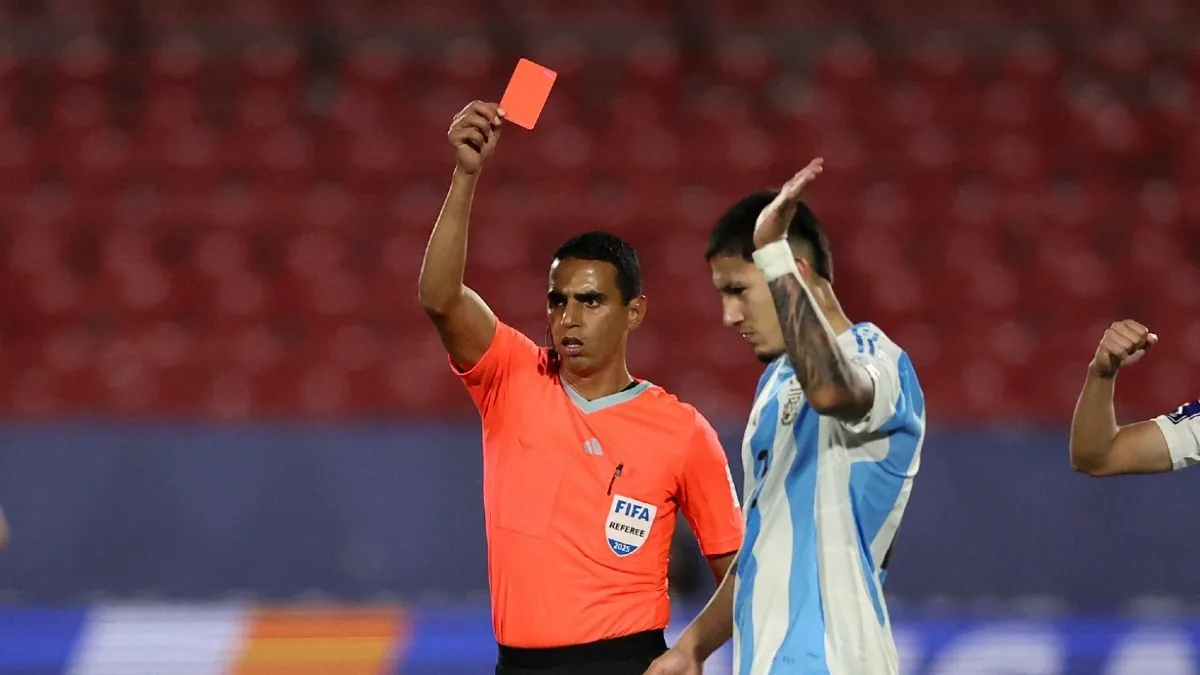
The World Cup 2026 referee visa process is now under direct FIFA control as tournament logistics enter a tighter phase. Officials confirmed that visa processing delays affected part of the selected refereeing group, especially among African and Arab appointments. In response, FIFA has started centralized document handling to avoid late clearance risk before kickoff. This update adds another operational layer to planning already tracked on FIFA World Cup 2026.
Why visa timing became a pre-tournament concern
Referee appointments are only useful if international travel and entry paperwork are completed on schedule. With the event window approaching, any delay in visa approval can disrupt training camps, assignment workshops, and protocol briefings. That creates downstream pressure on match operations even before teams arrive. FIFA's intervention shows this moved from routine paperwork to execution risk.
The issue has particular weight because officiating structures are finalized months in advance. Once selected officials are fixed, replacement phases become harder without affecting preparation quality. So the current objective is to preserve the original appointment group and clear administrative bottlenecks early. That approach protects continuity in referee management and tournament readiness.
What FIFA changed in the process
FIFA has asked referees to route documentation directly through the Secretary-General channel instead of relying on fragmented local pathways. Each official is also set to receive a dedicated code linked with host-authority processing. This two-part system is designed to simplify application matching and accelerate final approvals. In practical terms, it reduces ambiguity in how files are identified and tracked.
Centralized handling also creates clearer accountability for timing gaps. When one body controls intake and submission standards, missing fields and verification errors can be corrected faster. That is critical in short lead-time windows where one rejected file can push an official out of readiness phases. The method is administrative, yet its impact is directly competitive because match teams depend on stable officiating groups.
Neutrality rules are being reinforced at the same time
Alongside visa controls, FIFA has reiterated conflict-prevention boundaries for appointed referees. Officials selected for the World Cup are restricted from handling friendlies involving participating national teams in the immediate run-up period. The goal is to avoid any perception of partiality before assignments are activated. This is a standard integrity safeguard, but timing now makes enforcement more visible.
At the same time, referees are still allowed to work domestic or foreign league matches if those appointments are declared in advance with full date and location details. That balances neutrality controls with the need to maintain match fitness before the tournament. It also keeps transparency records complete without freezing all officiating activity. The combined policy aims to protect both readiness and credibility.
What this means for final preparation weeks
The current phase is no longer only about team camps and venue conversion. Referee mobility, paperwork status, and pre-event assignment discipline are now equally important to smooth opening rounds. If the visa process clears on time, FIFA can keep its intended officiating structure intact. If not, late substitutions could affect consistency in match management.
For fans, this story may seem administrative, yet officiating stability shapes tournament quality at every stage. With logistics pressure rising across multiple workstreams, these controls reduce the chance of avoidable disruption. Keep monitoring the World Cup schedule with operational updates such as the World Cup venue operations and the latest World Cup Group B preview. The final run-in is now decided by execution as much as football.
Frequently Asked Questions
Why did FIFA intervene in the World Cup 2026 referee visa process?
Visa-processing delays were affecting part of the appointed officiating group, so FIFA shifted to centralized handling to prevent pre-tournament disruption.
What practical step was added to speed approvals?
FIFA introduced direct document routing through the Secretary-General channel and unique application codes coordinated with host authorities.
Can appointed World Cup referees work matches before the tournament?
Yes, they may continue domestic or foreign league assignments if those details are reported in advance.
What match restrictions apply before kickoff?
Appointed officials are restricted from refereeing friendlies involving participating World Cup national teams in the immediate pre-tournament period.
Which Moroccan officials were highlighted in the final list update?
The reported names were Jalal Jayed, Zakaria Brinsi, Mustapha Akkarkad, and Hamza El Fariq.
FIFA's referee visa intervention reflects how narrow the margin for operational error has become ahead of 2026. Centralized paperwork controls and neutrality safeguards are now running in parallel to protect officiating integrity. These are background systems, yet they directly influence match quality once the tournament begins. The key question from here is simple: full clearance without late changes.
FWC LIVE will continue tracking verified officiating, logistics, and match-operations updates through World Cup 2026 kickoff.
Stay tuned to FWCLive.com for the latest FIFA World Cup 2026 updates.
Read Also: World Cup 2026 base camps start taking shape