

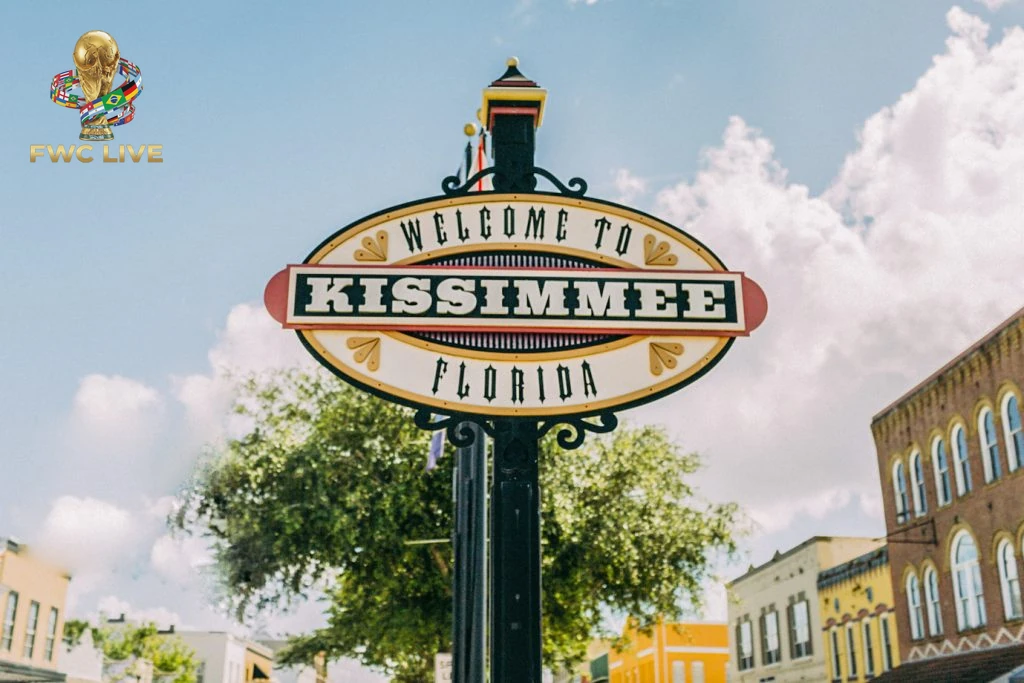
The Kissimmee World Cup 2026 Miami home base pitch is aimed at supporters who want Florida access without taking on full Miami matchweek costs. Tourism promoters are selling the city as a lower-stress stay option for fans heading to Miami Stadium games from mid-June. The angle is simple: more space, lower shared accommodation costs and workable transport links. For 2026 World Cup travelers, that makes Kissimmee part of the planning map.
Why Kissimmee thinks the pitch works
Experience Kissimmee says the city can offer more than 50,000 places to stay, including around 30,000 vacation homes. That inventory matters because larger groups often struggle to find affordable space close to major event venues once host-city pricing spikes.
The message is not that Kissimmee replaces Miami. It is that supporters can use Central Florida as a lodging base and then move toward the matches. For budget-conscious groups, that split can reshape the total trip cost.
That matters most for families and mixed groups. Some travelers want one football-heavy day and several lighter tourism days around it. Kissimmee is pitching itself directly to that kind of schedule.
How the travel route is being sold to fans
The key transport pitch is Brightline access via Orlando International Airport. Experience Kissimmee says most vacation homes are around 20 minutes from the Orlando Brightline station and that the train journey to Miami takes roughly three and a half hours.
That still leaves a final-mile question around Hard Rock Stadium, because stadium-specific 2026 rail and shuttle details are not fully locked. So the model works best for fans who value space and flexibility more than immediate venue access.
What the Florida schedule does for the idea
Miami is hosting seven World Cup matches, including the bronze final, which gives Florida a real run of tournament activity. A nearby base becomes more useful when travelers plan more than one game or want to mix matchdays with a longer family trip.
That is why the sales pitch leans so hard on non-football downtime. Theme parks, resort-style rentals and extra room for groups are being used as differentiators against a tighter urban stay. It is a travel strategy, not only a football strategy.
Where the idea still has limits
The travel time is the tradeoff. A three-to-four-hour corridor to South Florida can feel manageable on paper, but it is still a long matchday in heavy tournament conditions. Supporters need to price in transfers, station timing and the late return after evening kickoffs.
That is why the smarter use case may be selective rather than total. Fans can build around one or two Florida fixtures and keep the rest of the trip flexible. The existing Miami World Cup 2026 fan plan still matters if the priority is being closer to the core event zone.
The pitch is strongest when fans treat Kissimmee as a value base, not a direct stadium district. Once that expectation is clear, the tradeoff becomes easier to judge. More room and lower shared cost come in exchange for longer event-day movement.
Frequently Asked Questions
Why is Kissimmee being promoted for World Cup 2026 fans?
Because tourism officials see it as a lower-cost lodging base for supporters attending Miami matches.
How many places to stay does Kissimmee say it offers?
Experience Kissimmee says the city has more than 50,000 lodging options, including around 30,000 vacation homes.
How long is the Brightline journey from Orlando toward Miami?
The promoted travel time is roughly three and a half hours from Orlando to Miami.
Does Kissimmee solve final-mile access to Miami Stadium?
No. It helps with lodging value and regional access, but final 2026 stadium transfer details still need to be confirmed.
Kissimmee is not the obvious Florida World Cup base, which is exactly why the pitch is interesting. It targets value, group space and flexibility rather than pure stadium proximity. For some supporters, that tradeoff will make sense.
Stay tuned to FWCLive.com for the latest FIFA World Cup 2026 updates.