
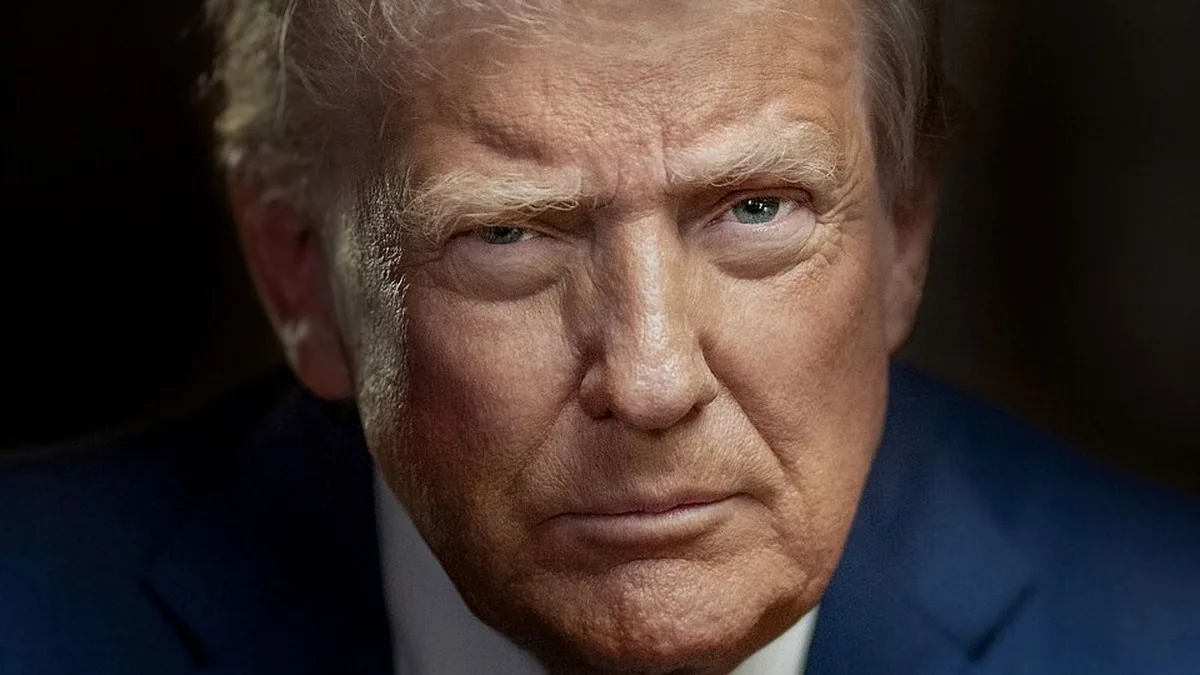
The U.S. World Cup 2026 task force is giving federal planning a much stronger center than earlier in the phase. President Donald Trump chairs the White House structure, while Andrew Giuliani runs its day-to-day coordination. That matters because the United States hosts 11 tournament cities and carries the biggest share of the event footprint. Federal planning is now as important as stadium work, team logistics and local transport preparation.
Why the White House is more involved
The White House task force exists to coordinate planning, organization and execution around the tournament. That makes the federal government a direct delivery actor instead of a distant supporter. The structure sits inside a wider interagency framework and links security, transport, tourism and border issues under one umbrella. For an event this large, that centralization is logical.
The United States will host matches in Atlanta, Boston, Dallas, Houston, Kansas City, Los Angeles, Miami, New York New Jersey, Philadelphia, the San Francisco Bay Area and Seattle. Managing that spread takes more than local readiness. It requires federal systems to line up behind the World Cup host cities. So the task force has become one of the most important planning bodies in the tournament.
What Andrew Giuliani is doing
Andrew Giuliani serves as executive director of the task force and has emerged as the main operational face of the White House effort. Official U.S. material credits the task force with creating an interagency coordination framework that covers transport, tourism, safety and security. It also says Giuliani has pushed visa improvements for fans and helped secure federal funding for the 11 U.S. World Cup host cities. Those are practical levers, not symbolic ones.
That role puts Giuliani in the middle of the tournament’s most sensitive planning questions. Fan entry, security support and federal coordination can either smooth the event or complicate it. Because of that, the quality of U.S. tournament delivery will reflect federal administration as much as city execution. The task force is now attached to outcomes that supporters will actually feel.
Why immigration and perception still matter
Federal control brings federal political risk as well. Immigration policy is part of the World Cup story in the United States because international supporters have to reach the country first. Entry rules, processing speed and public messaging all shape demand and confidence. Even a strong World Cup host cities cannot solve those issues if national systems create friction.
That is why tournament stakeholders continue to watch the tone around travel and host-city support so closely. The White House can accelerate delivery, yet it can also shape how the event is perceived abroad. The operational test is not only whether stadiums are ready. It is whether visitors feel they can get in, move around and enjoy the tournament without needless barriers.
What this means for the U.S. tournament picture
The United States has the largest hosting burden, so the federal layer will keep growing in importance. Venue readiness still matters, as shown by the recent Mercedes-Benz Stadium, and media plans will shape the event’s reach, as the World Cup broadcasting plans showed. Yet both of those stories sit downstream from the same core issue. The tournament needs strong national coordination.
Trump and Giuliani now sit close to that center. Their influence reaches beyond optics because the White House task force touches security, visas and host city support. That makes it one of the most important institutions in the U.S. build-up. The closer the event gets, the harder it will be to separate football planning from federal execution.
Frequently Asked Questions
What is the U.S. World Cup 2026 task force?
It is a White House-led body that coordinates federal planning and execution for the tournament.
Who leads the task force day to day?
Andrew Giuliani is the executive director and oversees the main operational coordination work.
What should fans watch next on U.S. World Cup 2026 task force?
It influences visas, security support, host city funding and broader travel conditions for visitors.
How many U.S. cities will host World Cup matches?
The United States has 11 World Cup host cities in the 2026 tournament.
The U.S. World Cup task force has become a central part of tournament delivery. That reflects the sheer size of the American hosting role and the national systems required to support it.
The remaining question is execution. If the federal layer works, fans will barely notice it. If it fails, they will feel it immediately.
Read more FWCLive.com coverage from across the <a href="/">FIFA World Cup 2026</a> host network.
Stay tuned to FWCLive.com for the latest FIFA World Cup 2026 updates.
Read Also: Canada World Cup 2026 planning moves through Carney and van Koeverden